Site under construction — check back daily for updates
Material Processing Equipment
Heat
Press
A custom 12-ton hydraulic heat press designed and fabricated for controlled thermal compression of composite material samples.
Type
Hydraulic Heat Press
Capacity
12 Ton
Sample
14 × 14 cm
Fabrication
Waterjet Cutting
Machining + Welding
Application
Thermal Compression
Composite Forming
01
Sample Format
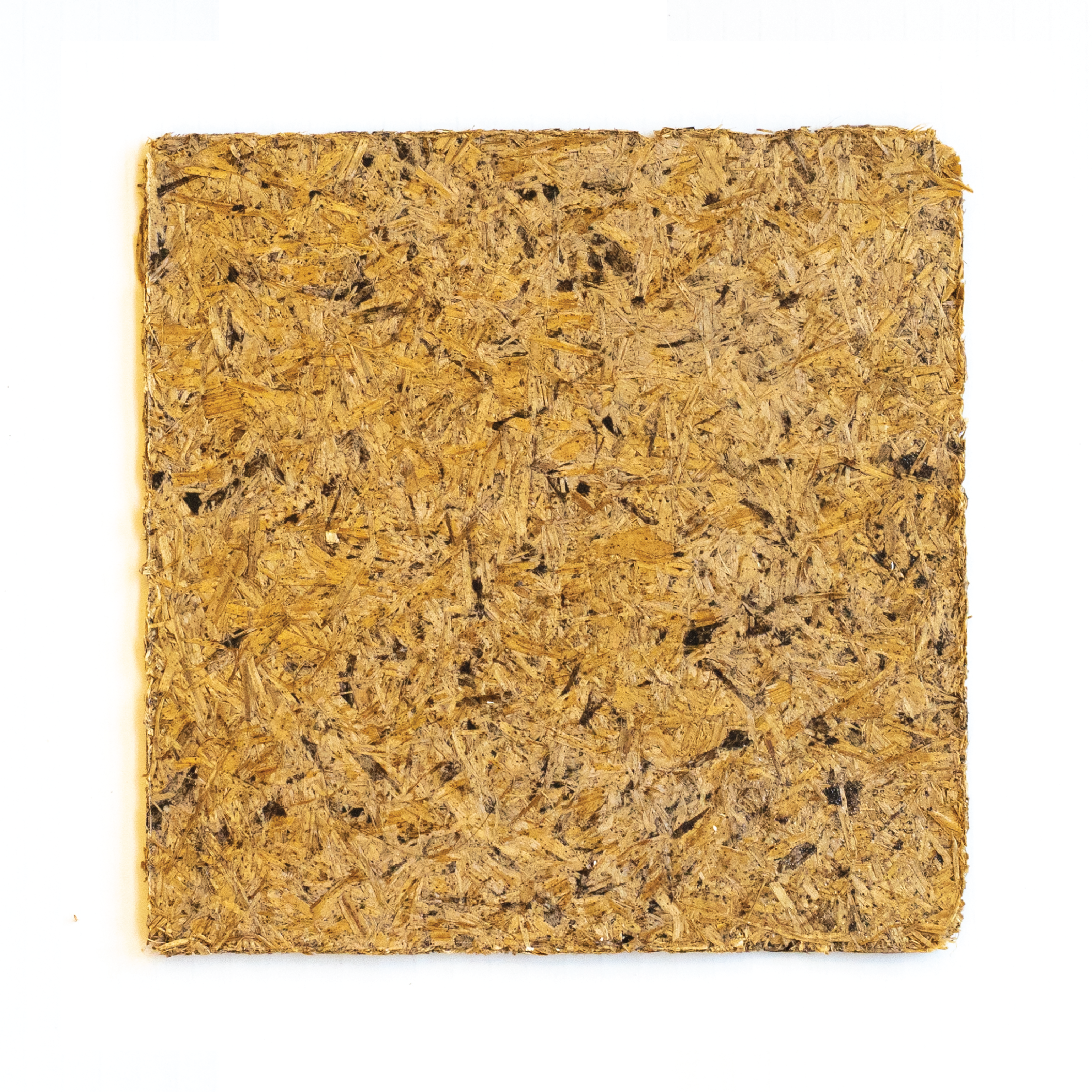
The press was designed around the production of 14 × 14 cm composite material samples.
The square sample format established the working area of the machine and defined the dimensions of the platen and mold assemblies.
The system was developed to provide repeatable compression and controlled heating across the full sample area while remaining compact enough for iterative material testing.
02
Press Design
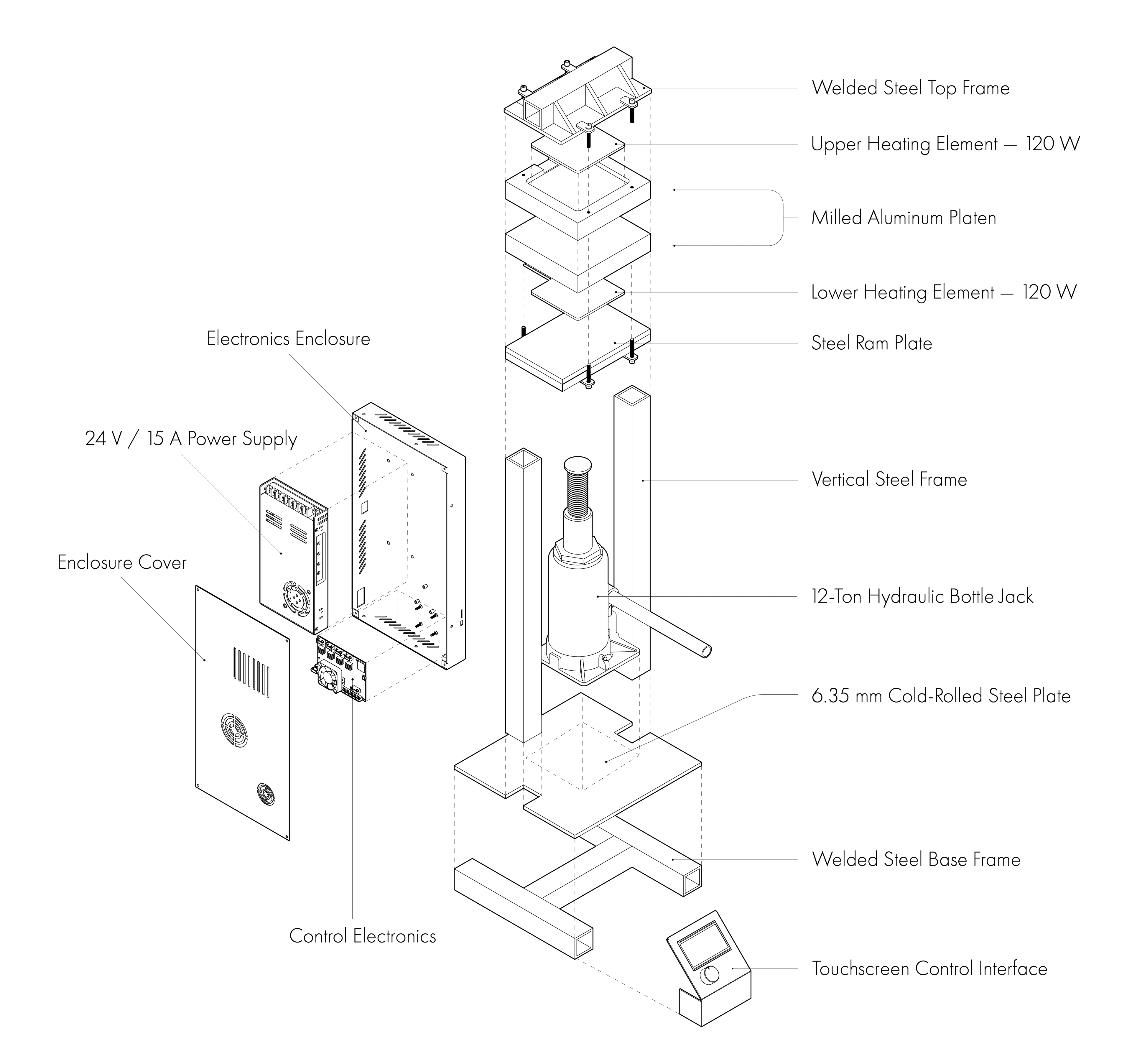
Hydraulic loading, heated platens, and electronic control were integrated into a single fabricated steel assembly.
A welded steel frame surrounds the hydraulic system and creates a direct load path through the upper and lower platen assemblies.
The thermal, hydraulic, structural, and electronic components were developed as one system so that pressure and temperature could be controlled during each pressing cycle.
System Assembly
Exploded Axonometric
03
Frame Fabrication
Steel tube was cut to length before being assembled into the primary press frame.
Structural steel tubing was cut on a cold-cut saw to produce the vertical members, base, and upper frame components. The remaining structural plates were waterjet cut from cold-rolled steel to produce the required mounting geometry and clearances.
The tube and plate components were welded into a rigid structural assembly.
The fabricated components were aligned and welded to create a continuous load path between the hydraulic jack, pressing assembly, vertical members, upper frame, and base.
04
Hydraulic System
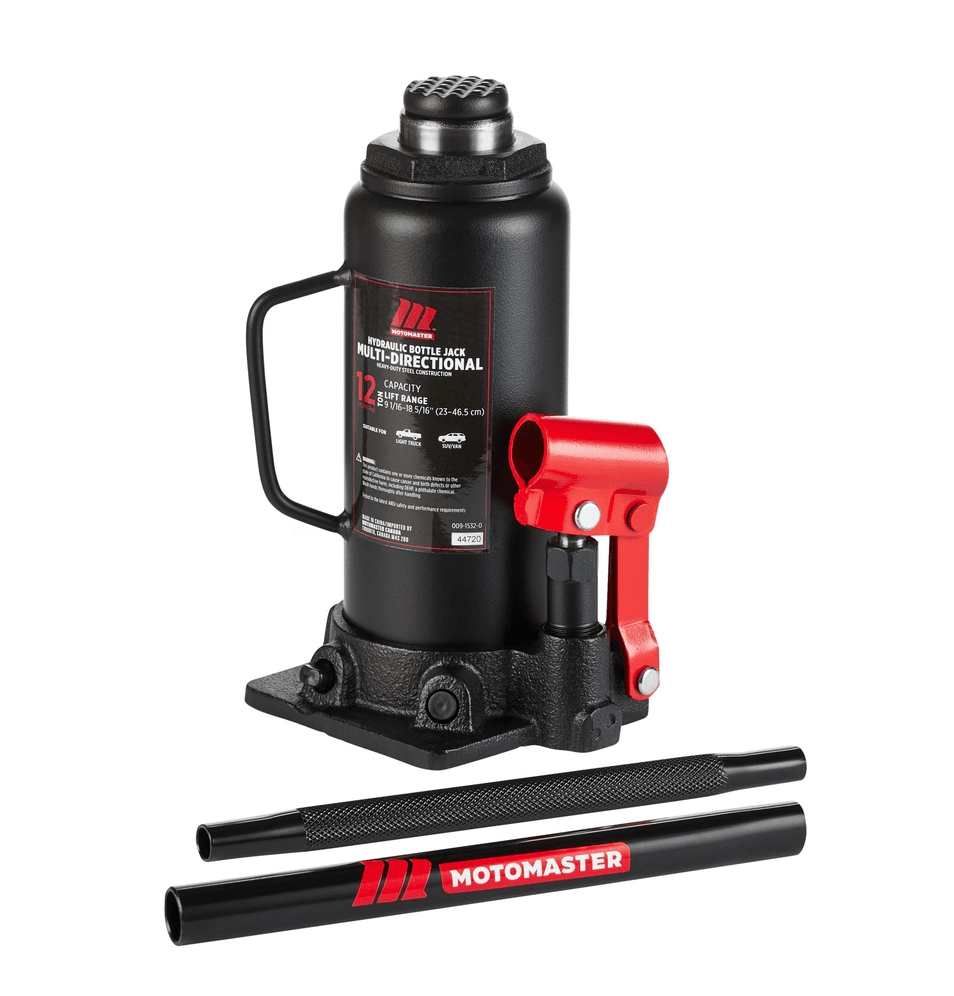
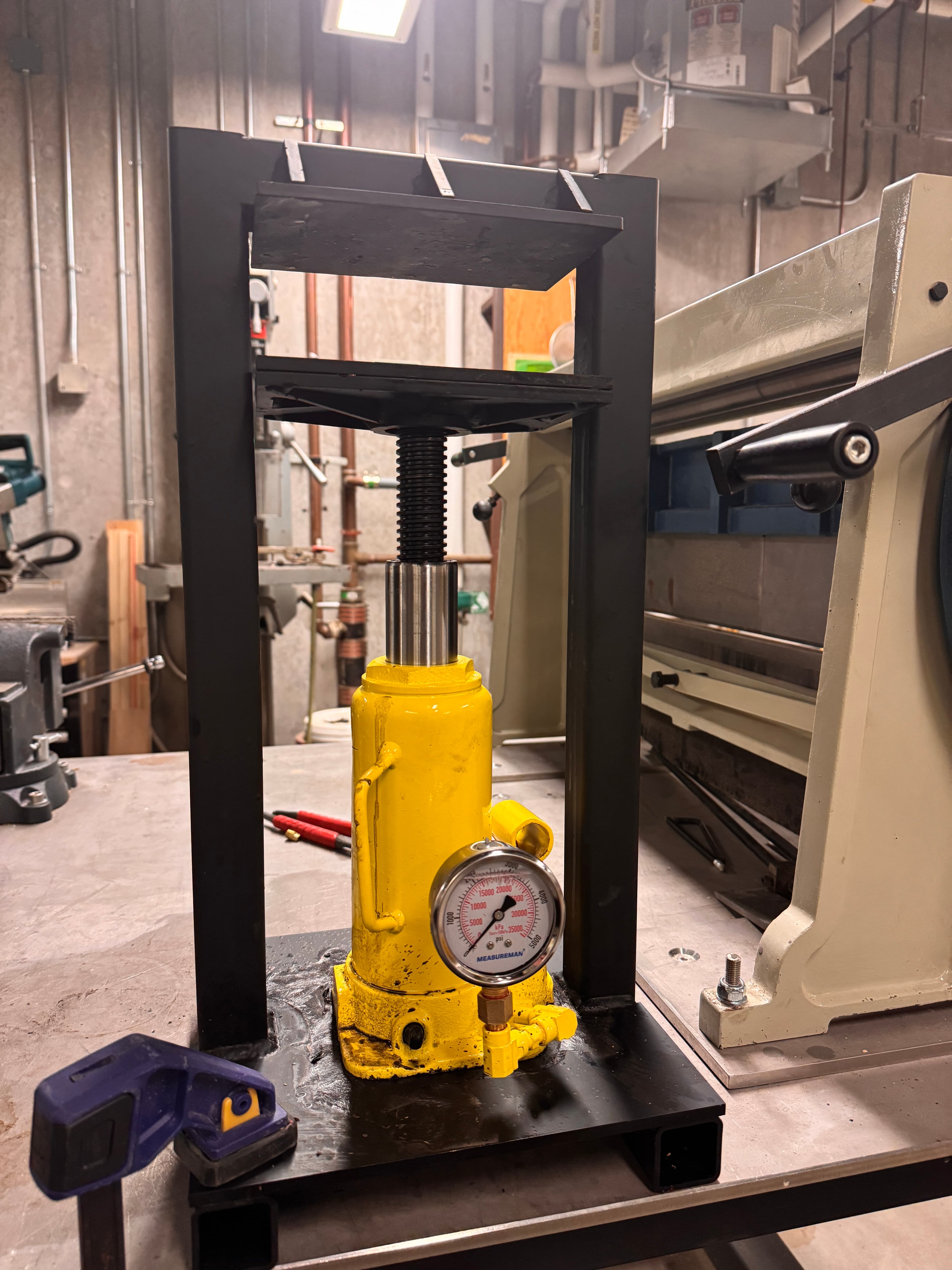
A 12-ton bottle jack was modified to provide both compressive force and measurable hydraulic pressure.
The bottle jack provides a compact manually operated hydraulic system capable of generating the loads required for composite forming. Its vertical configuration transfers force directly into the lower platen and through the sample assembly.
The jack was modified to incorporate a pressure gauge, providing direct feedback from the hydraulic circuit during pressing. This makes loading conditions measurable and easier to reproduce between samples.
05
Heated Platens
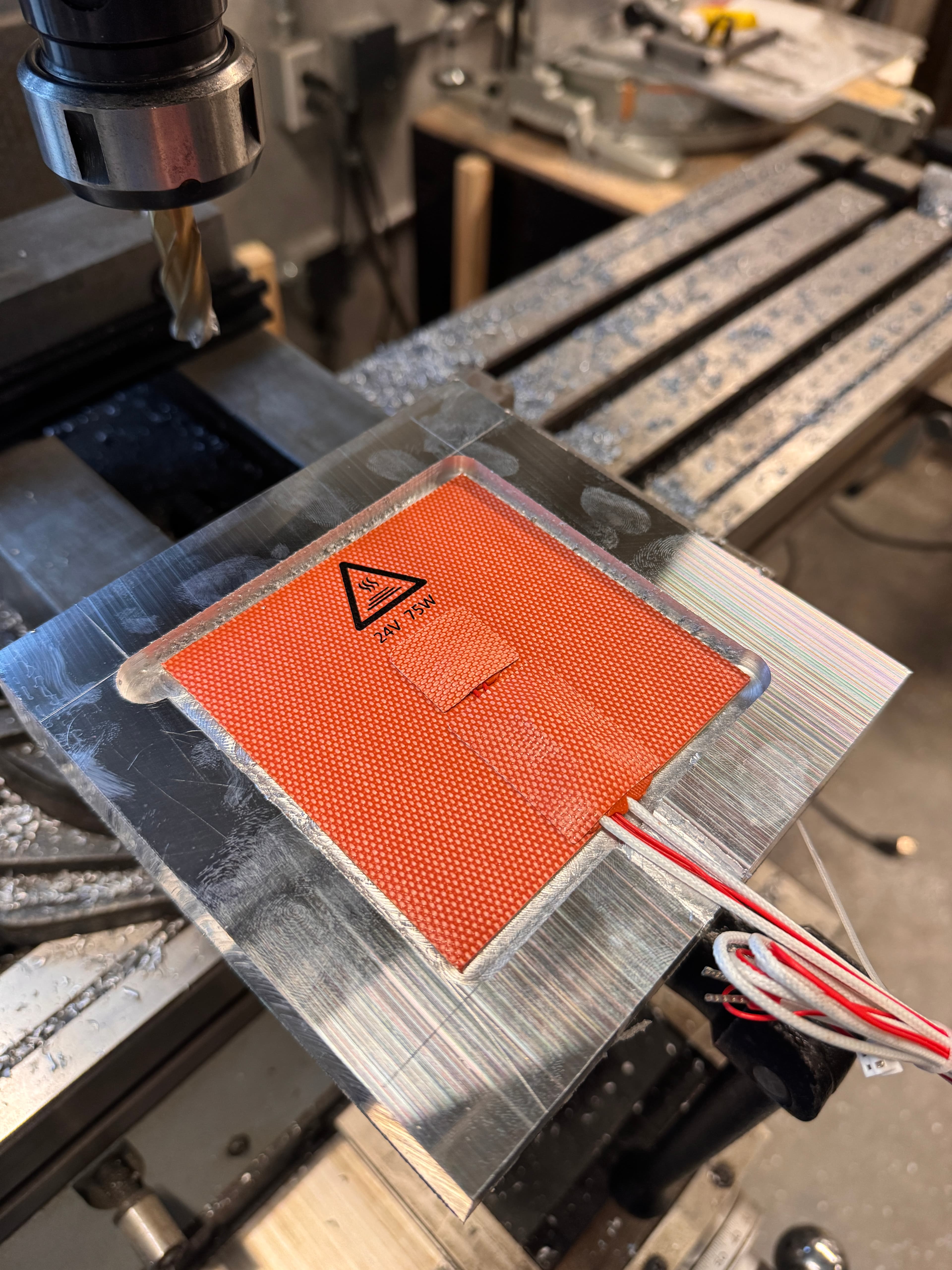
Milled aluminum platens integrate the heating elements directly into the compression assembly.
Pockets were machined into the aluminum platens to recess the 120 W heating elements within the assembly. Recessing the pads isolates them from the direct compressive load generated during pressing.
The pockets also position the heating elements closer to the pressing surface, reducing the distance through which heat must conduct before reaching the mold and sample.
06
Control System
Integrated electronics provide control over the thermal system from a dedicated touchscreen interface.
The electronics are housed in a dedicated enclosure mounted alongside the press and supplied by a 24 V / 15 A power supply. The control system manages the heating elements and associated temperature sensing.
A separate touchscreen interface provides access to the operating controls while keeping the electrical hardware enclosed and separated from the pressing area.
07
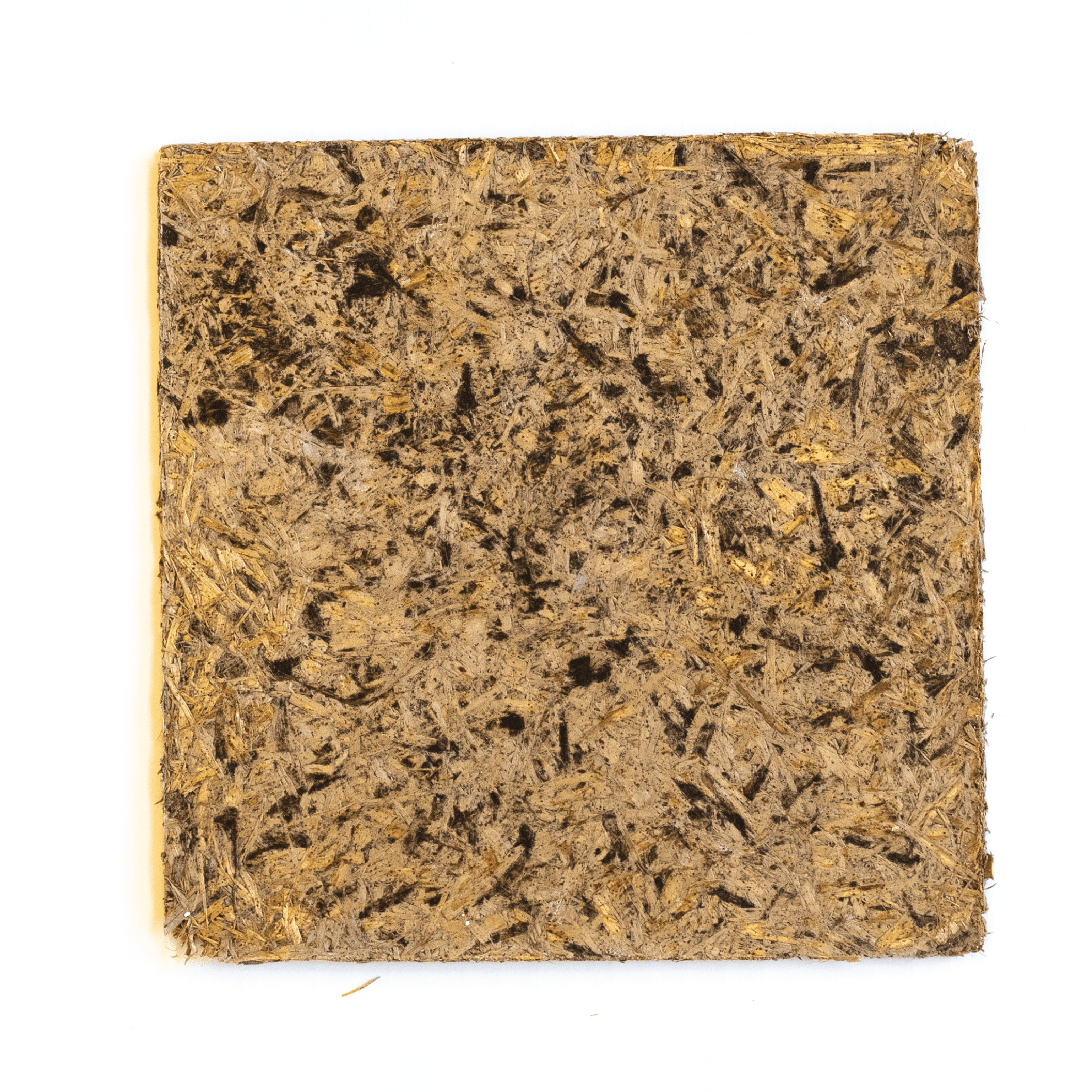
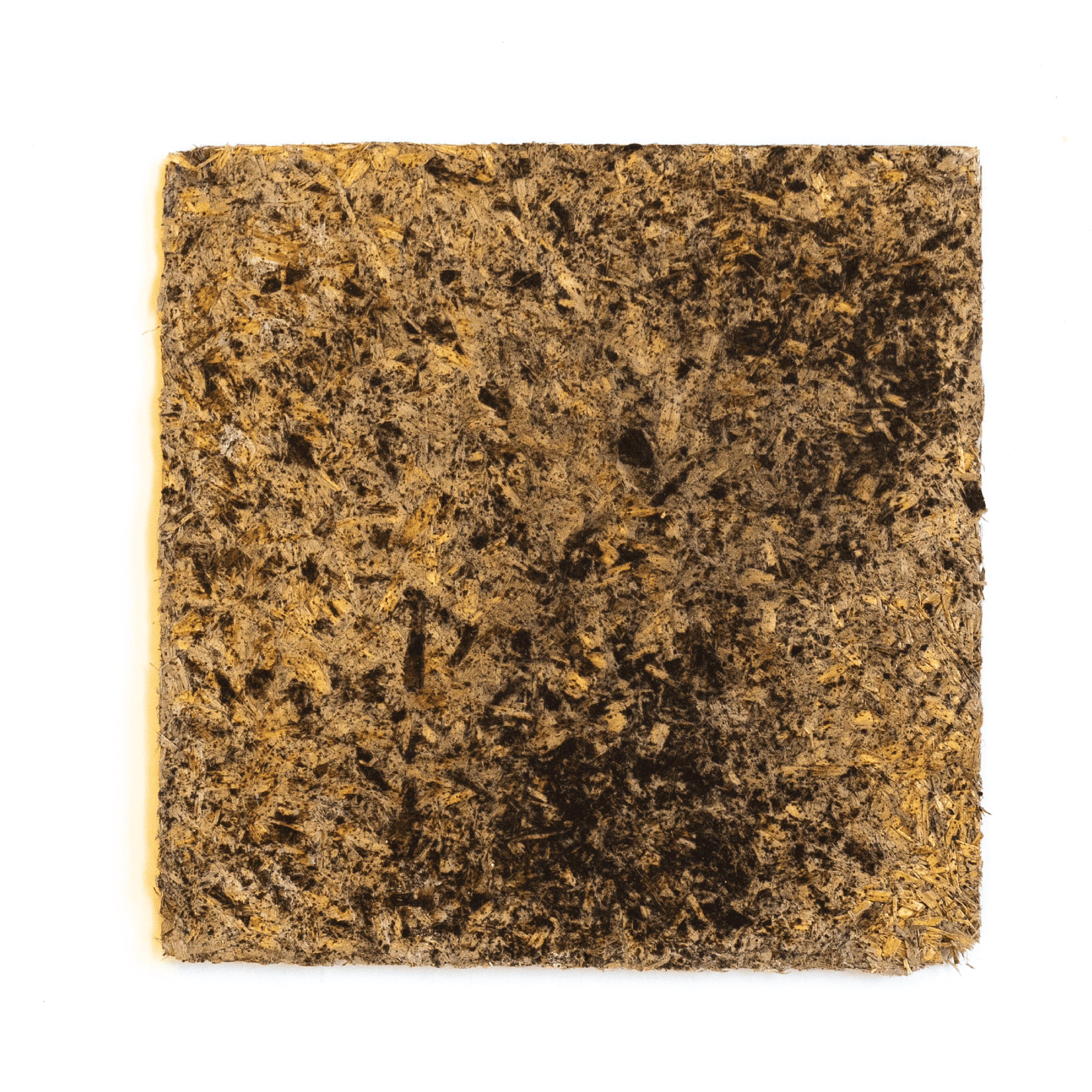
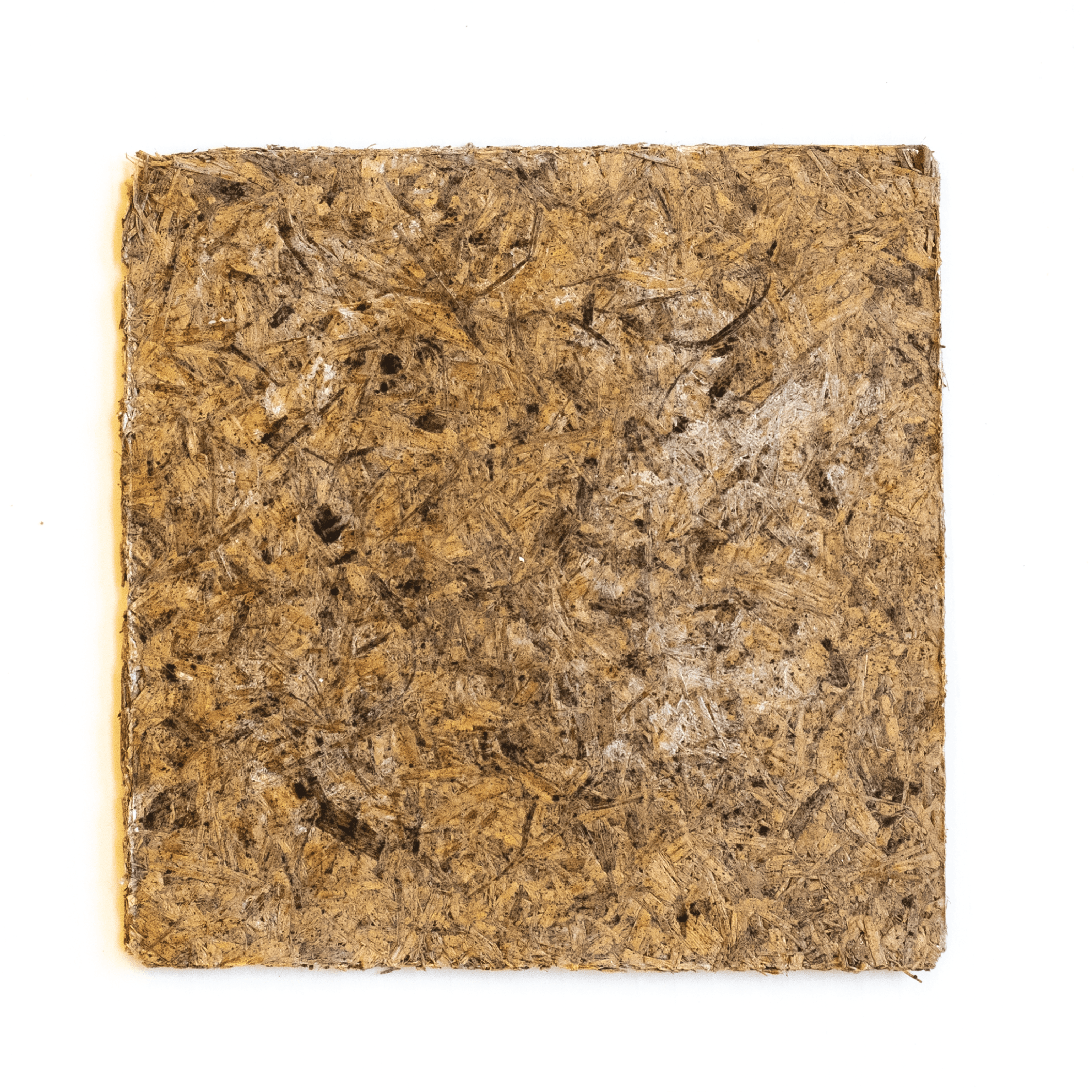
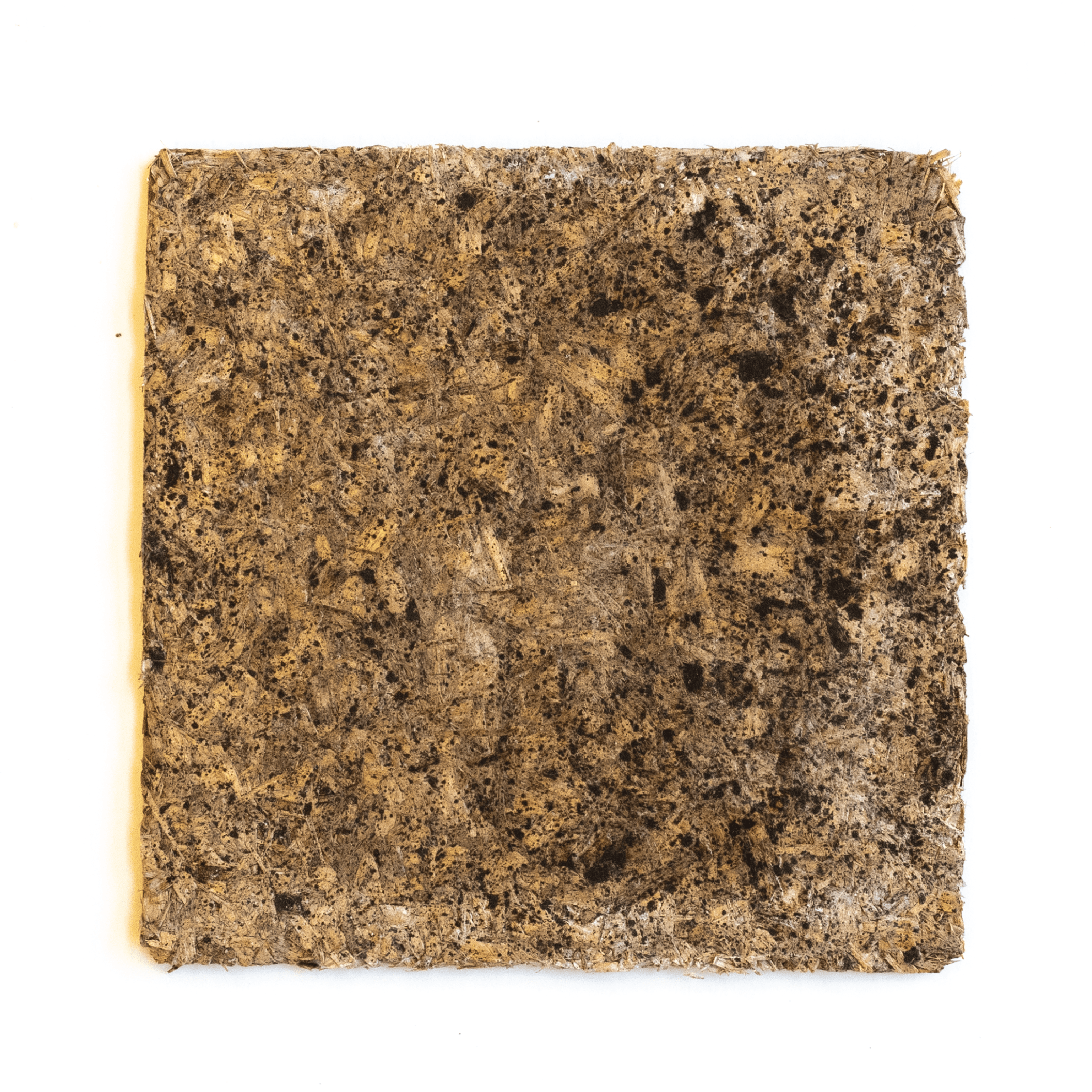
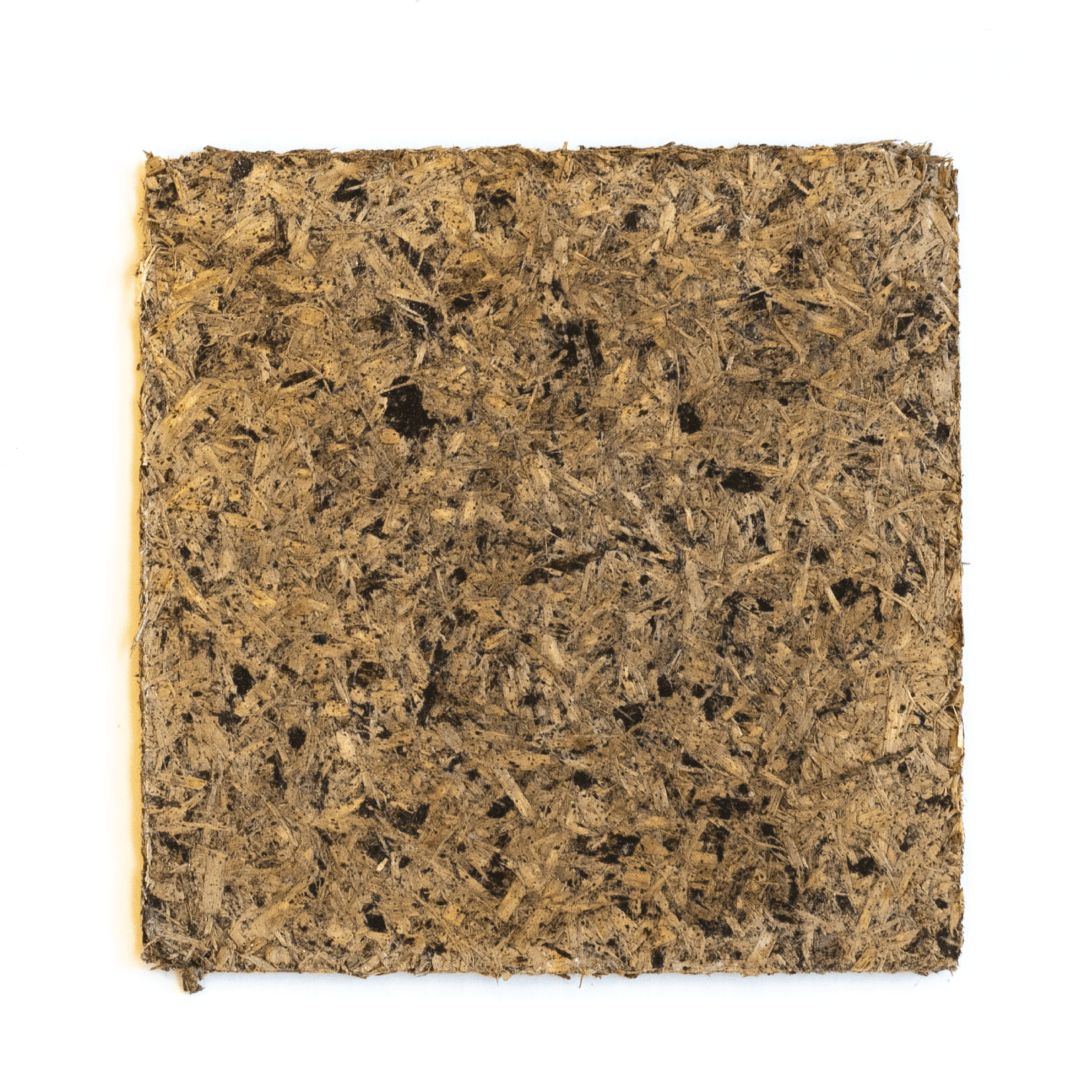
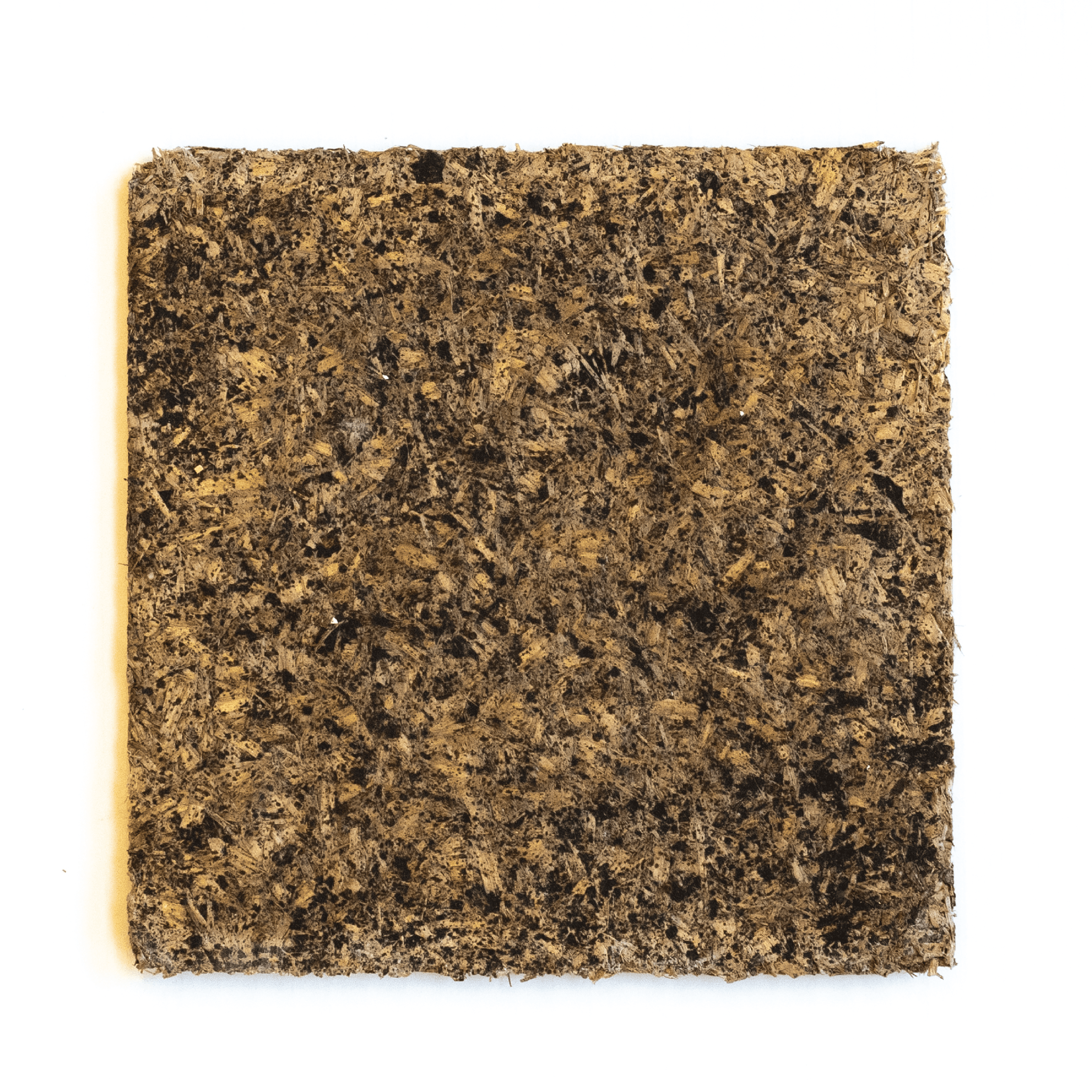
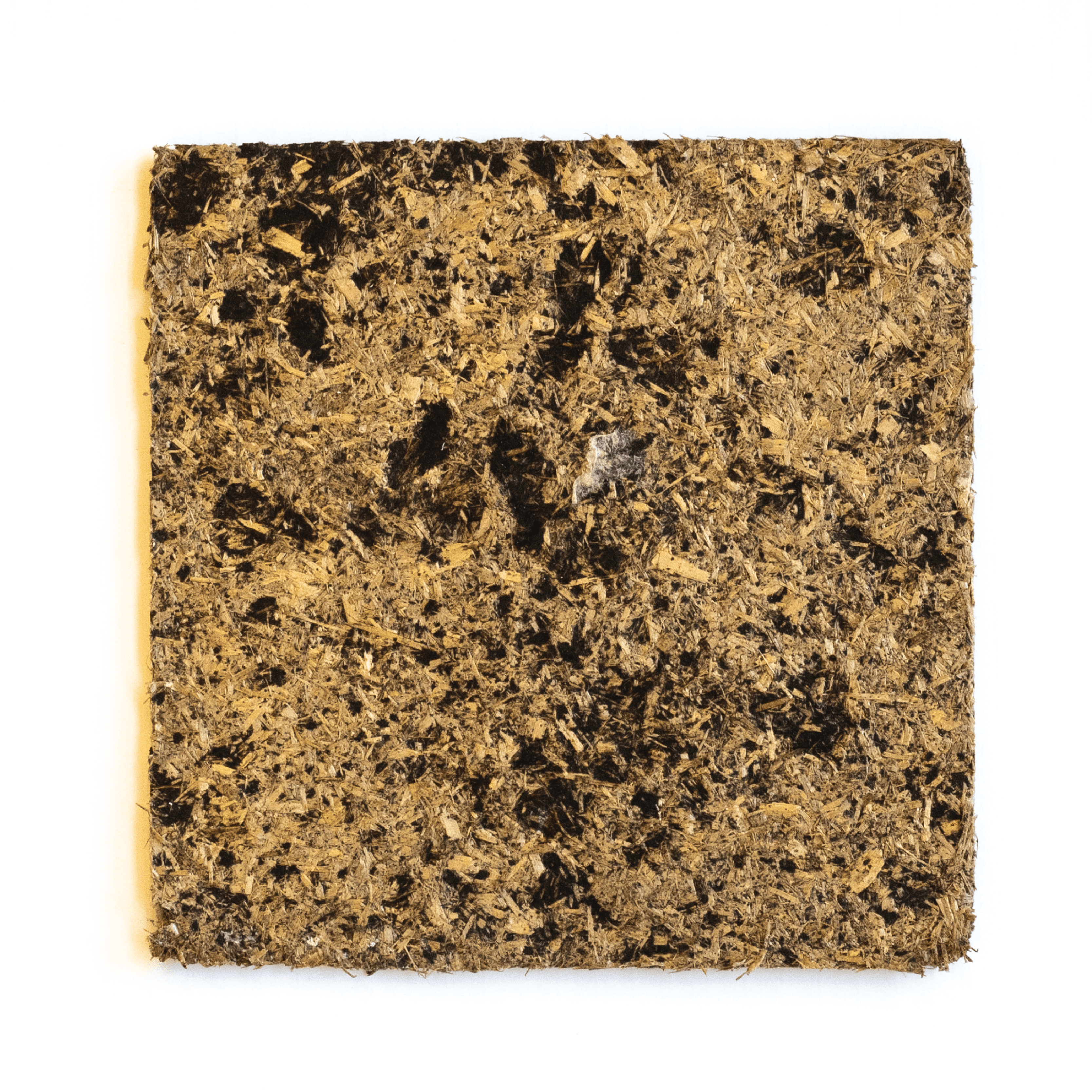
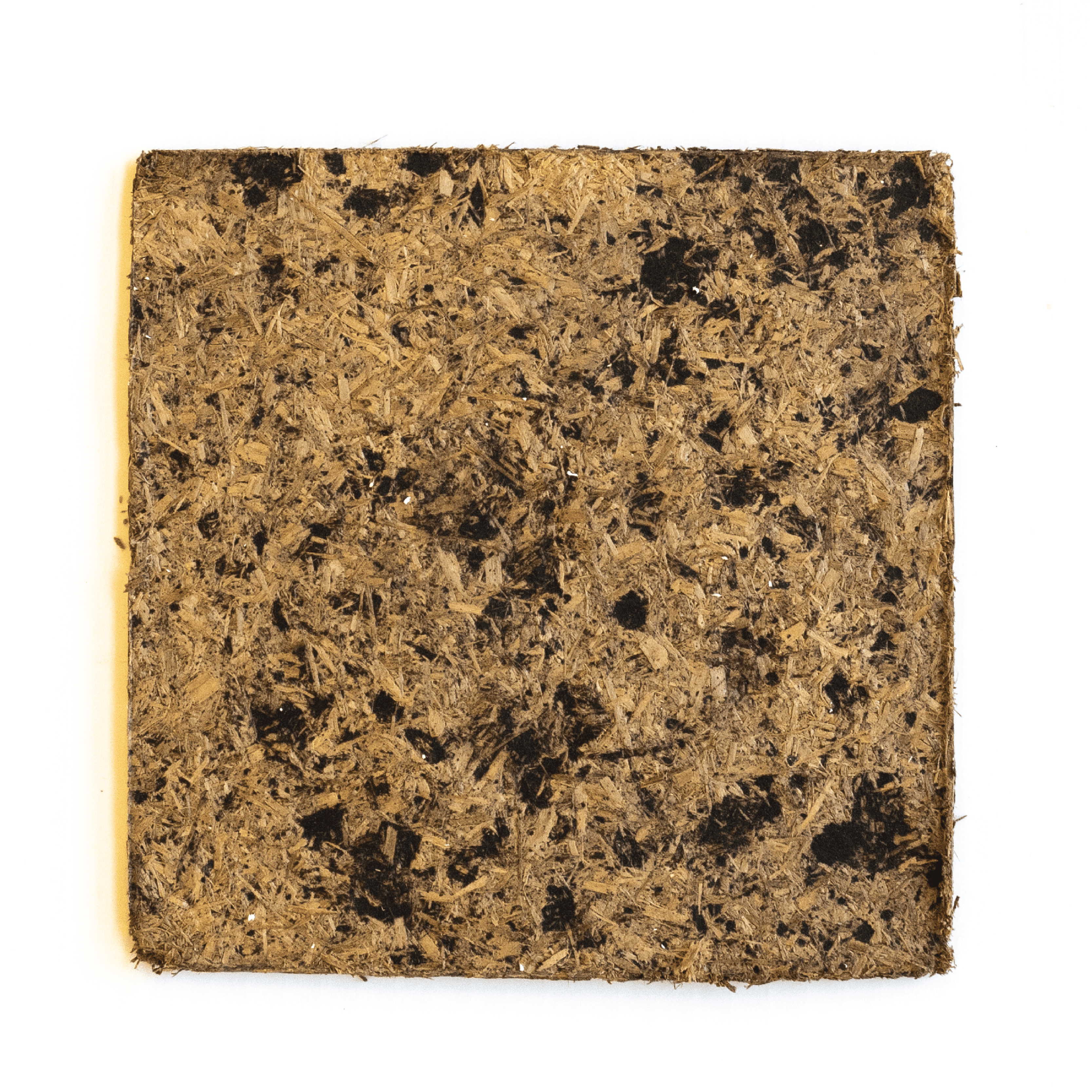
Pressed Samples
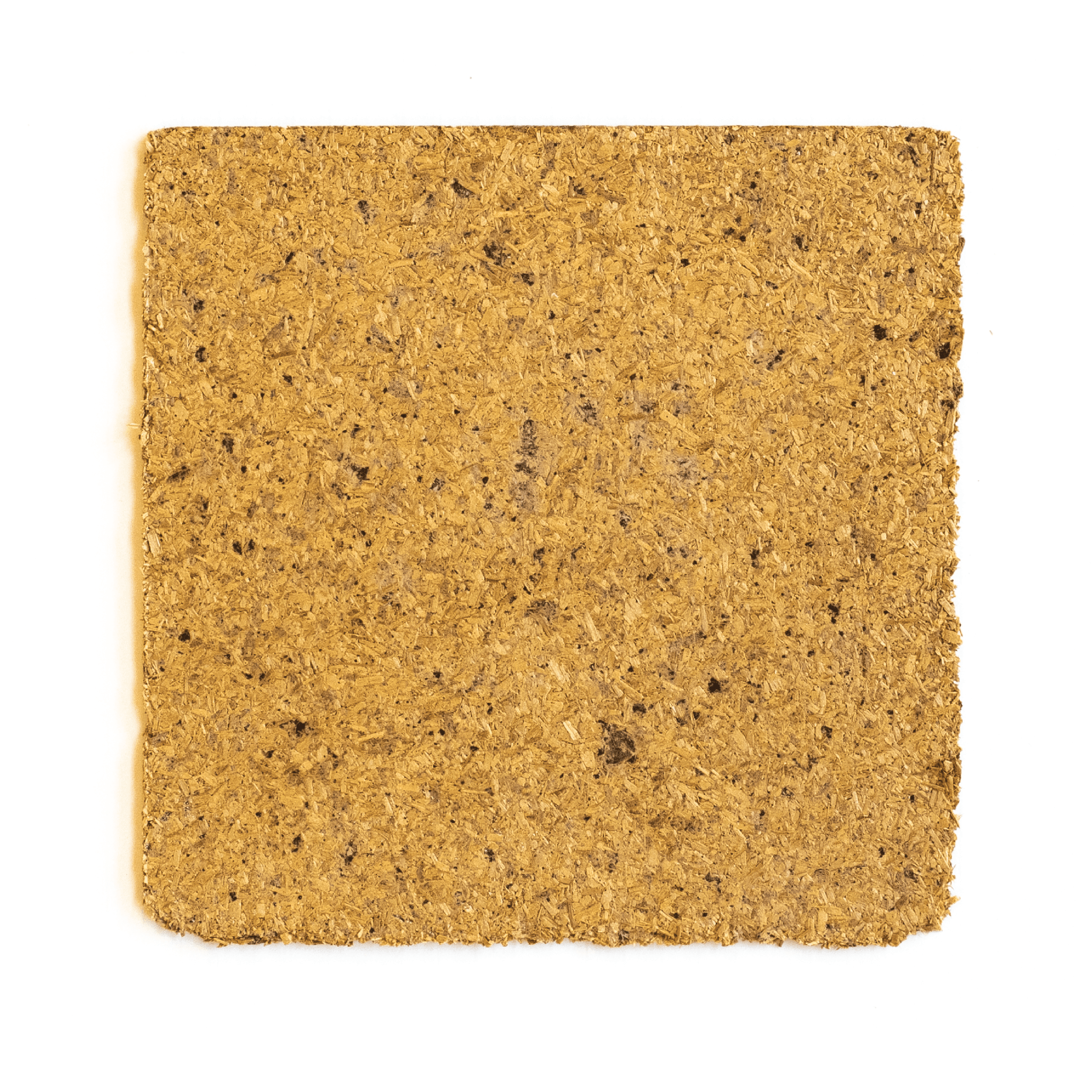
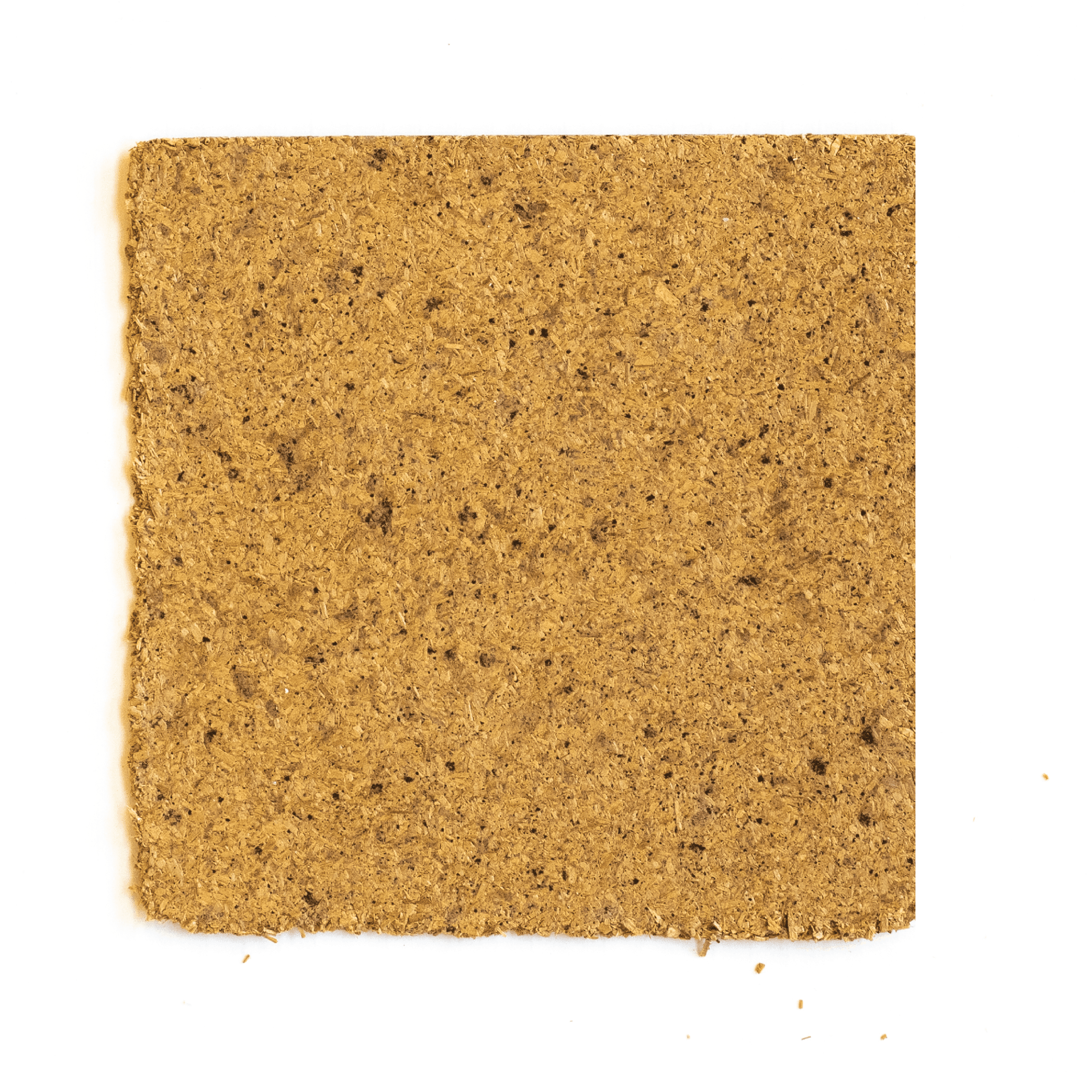
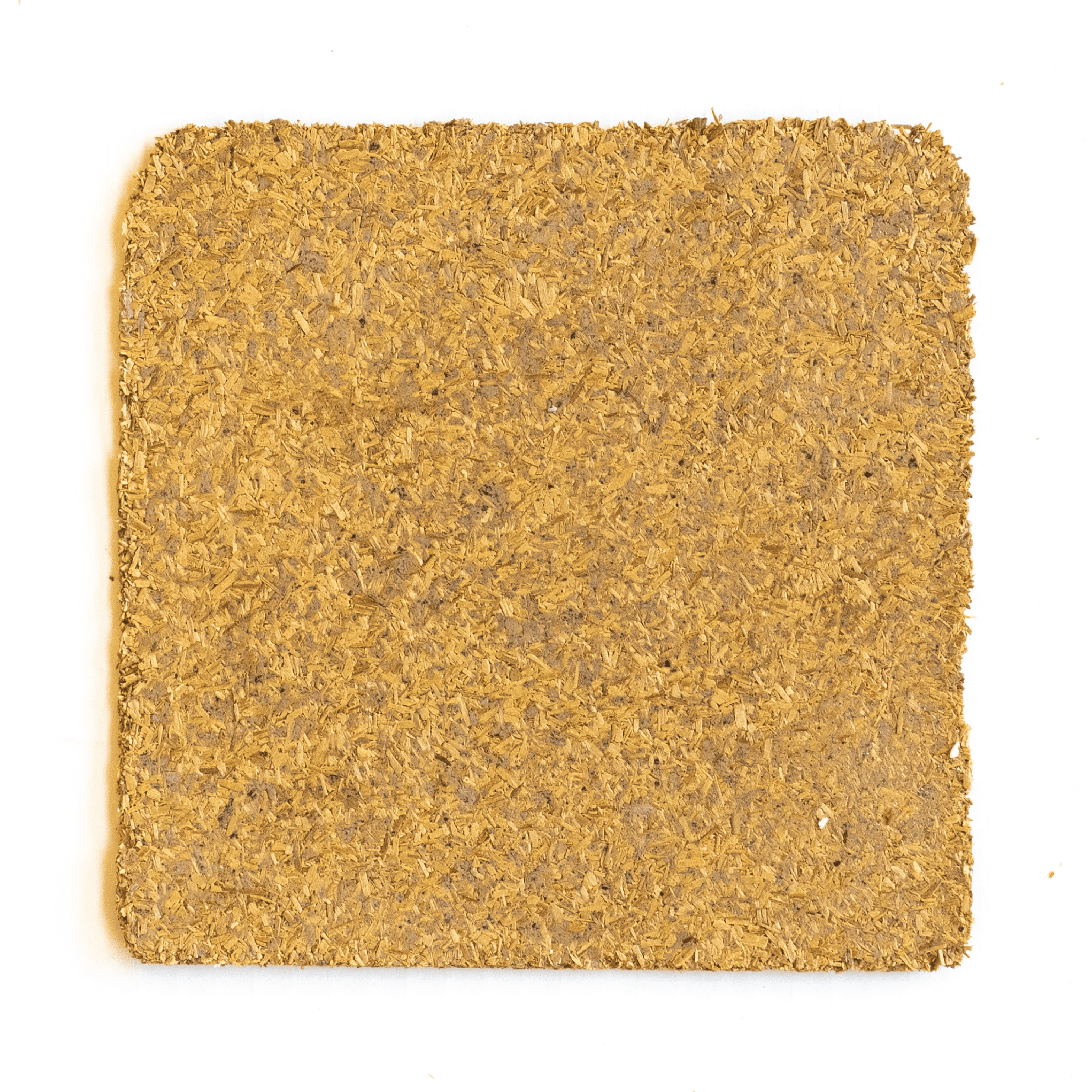
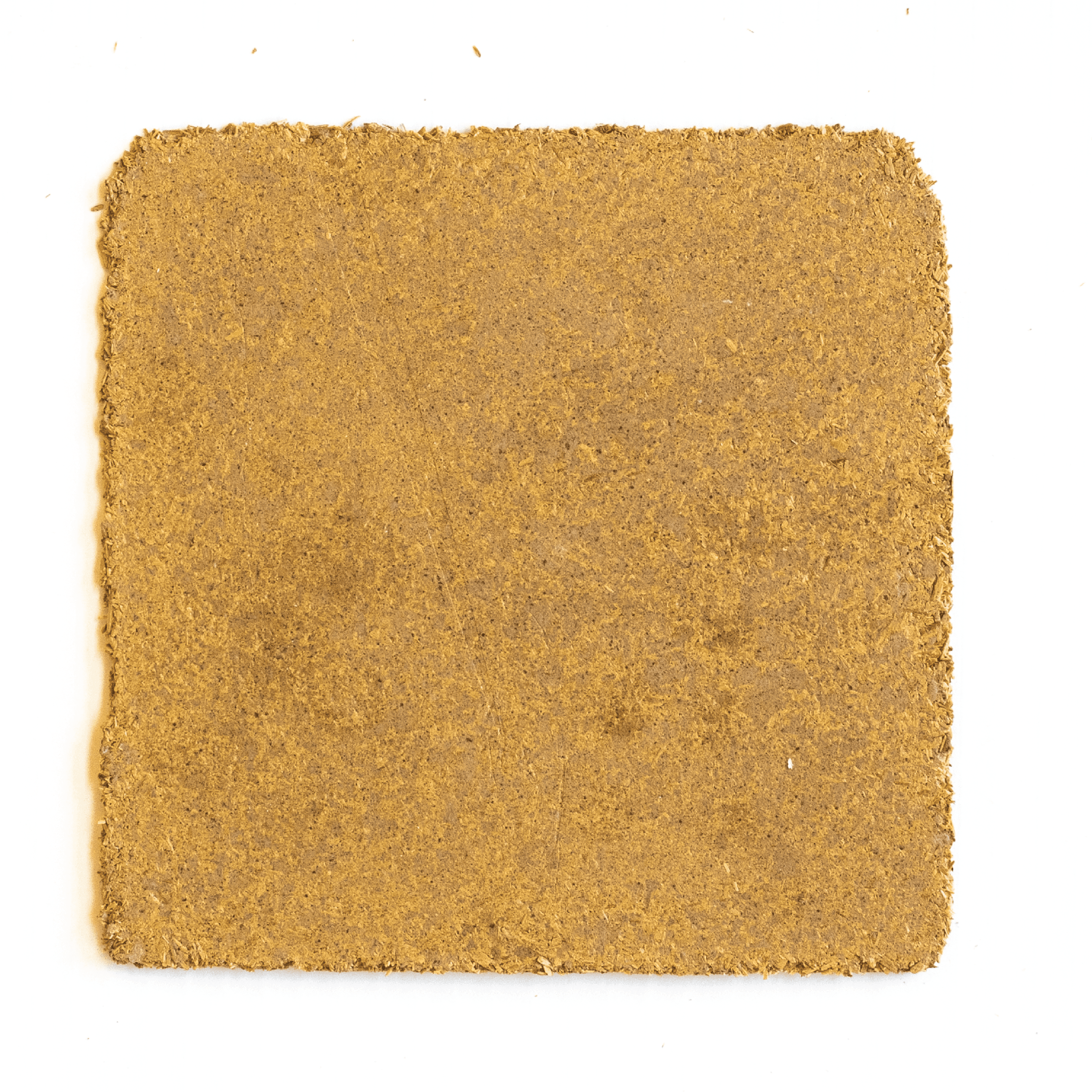
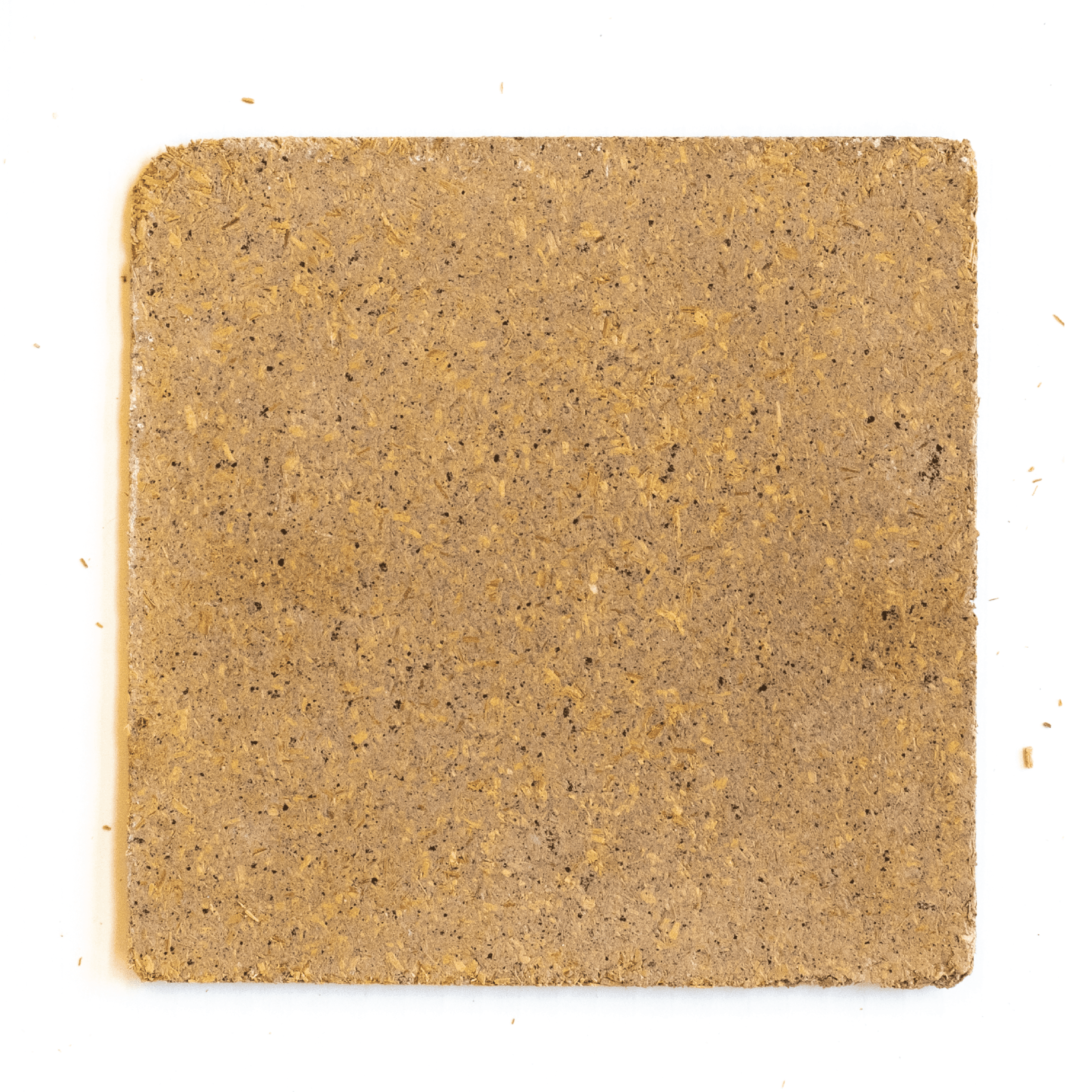
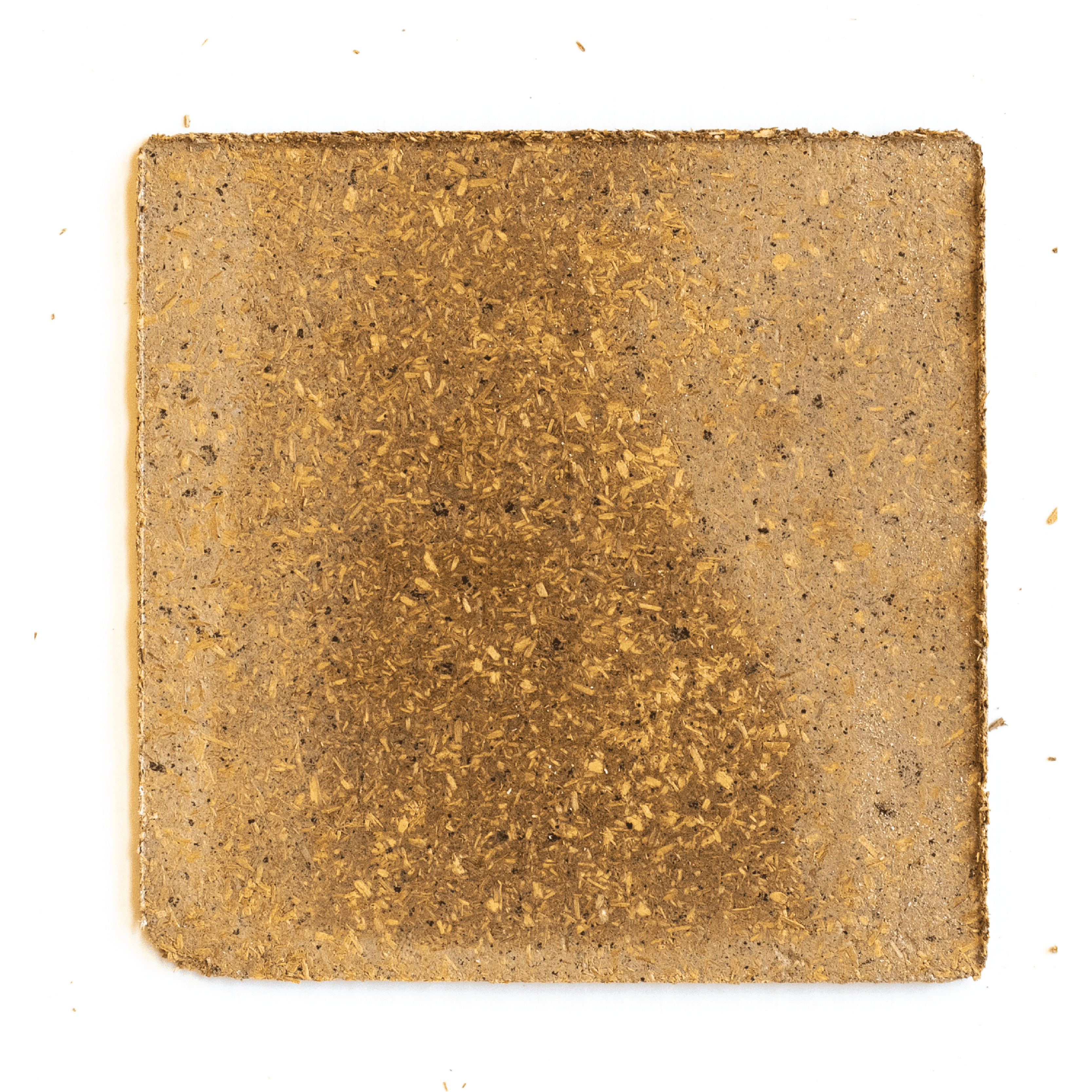
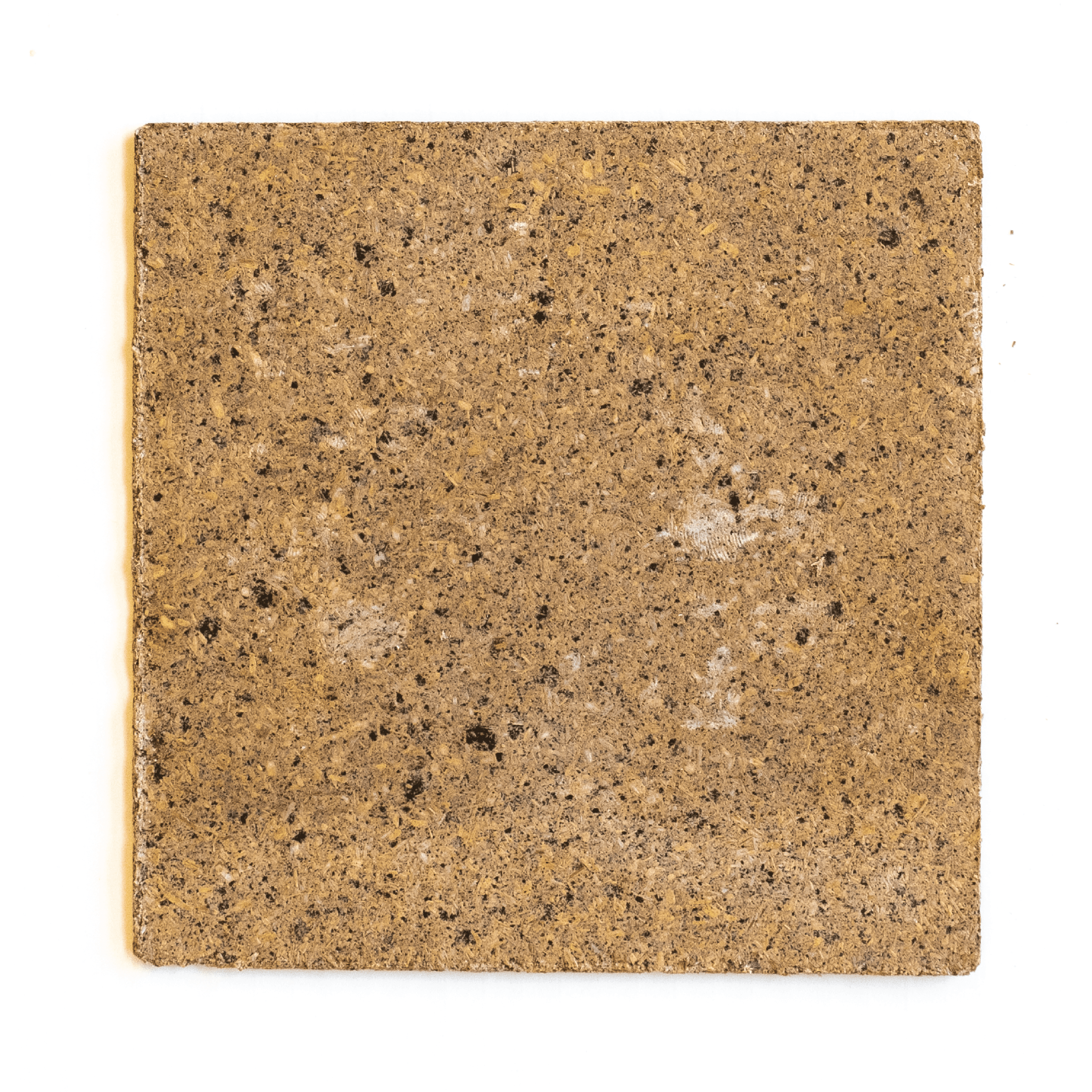
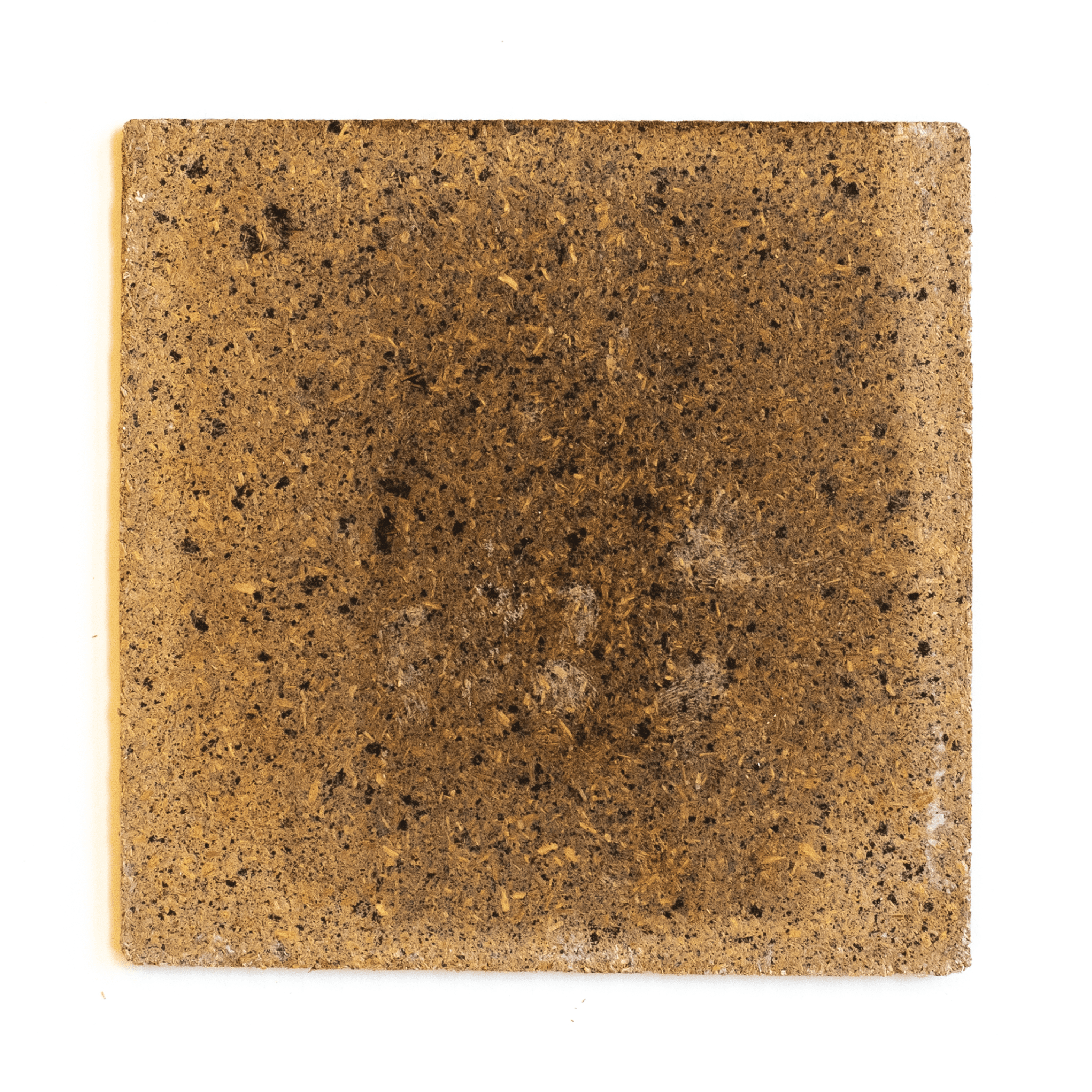
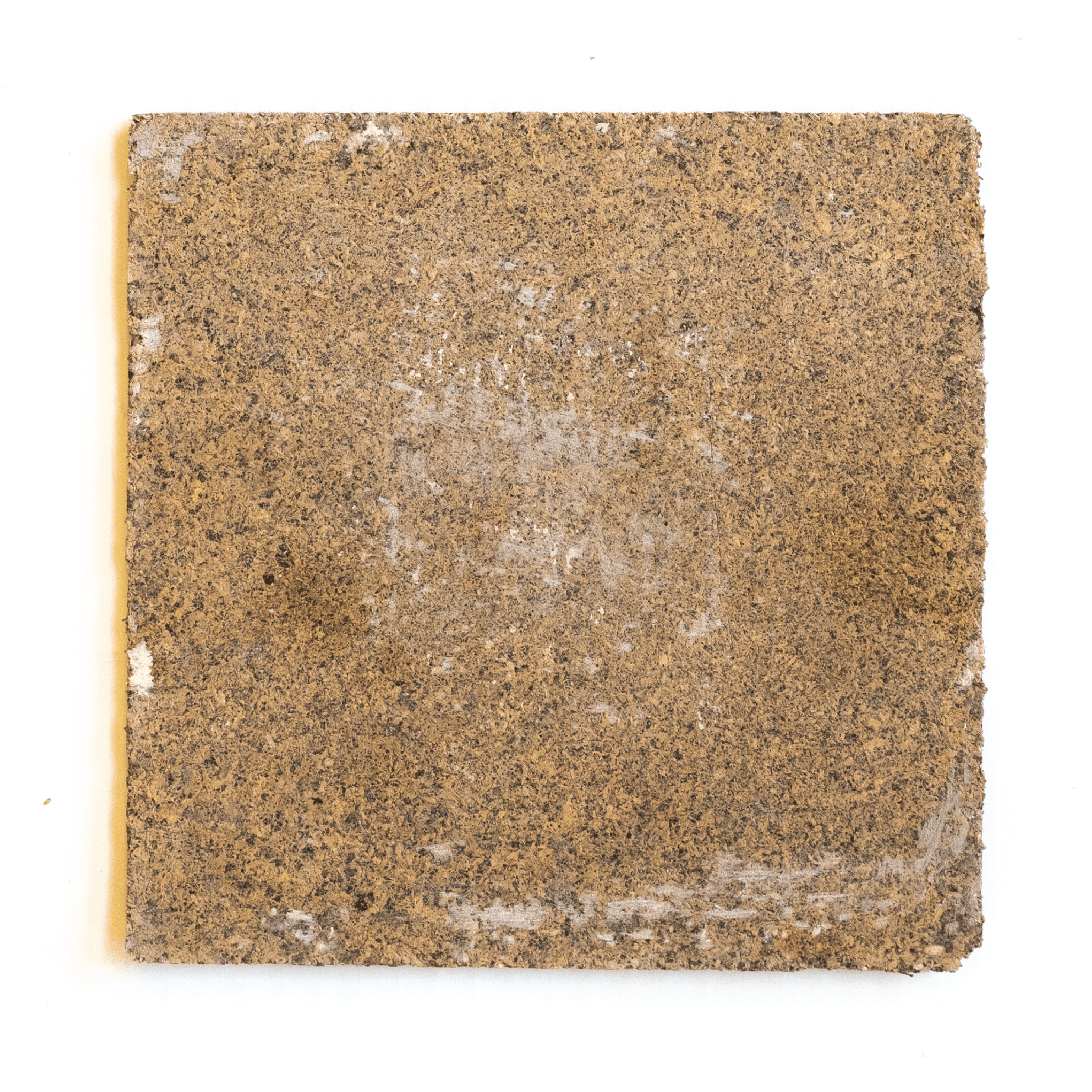
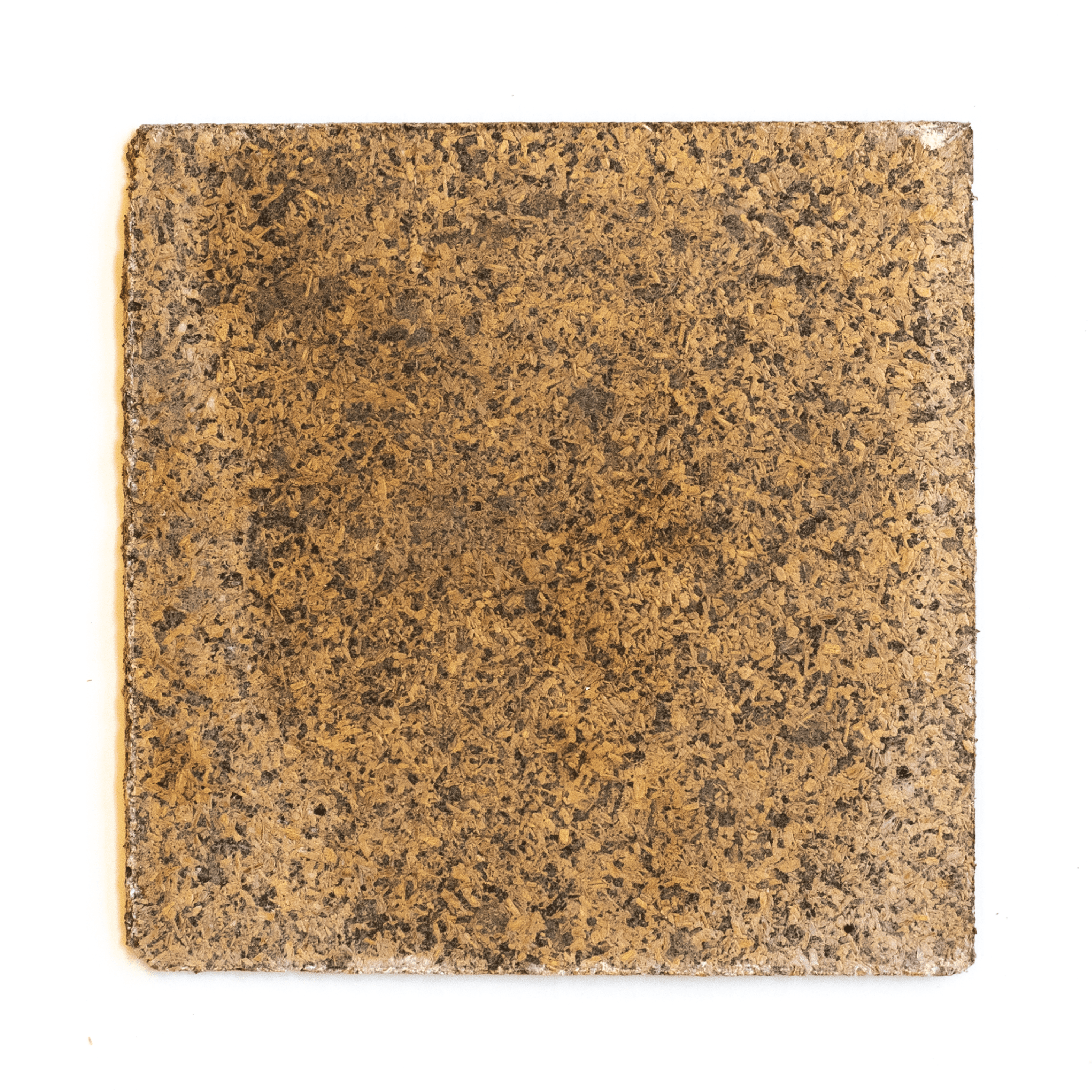
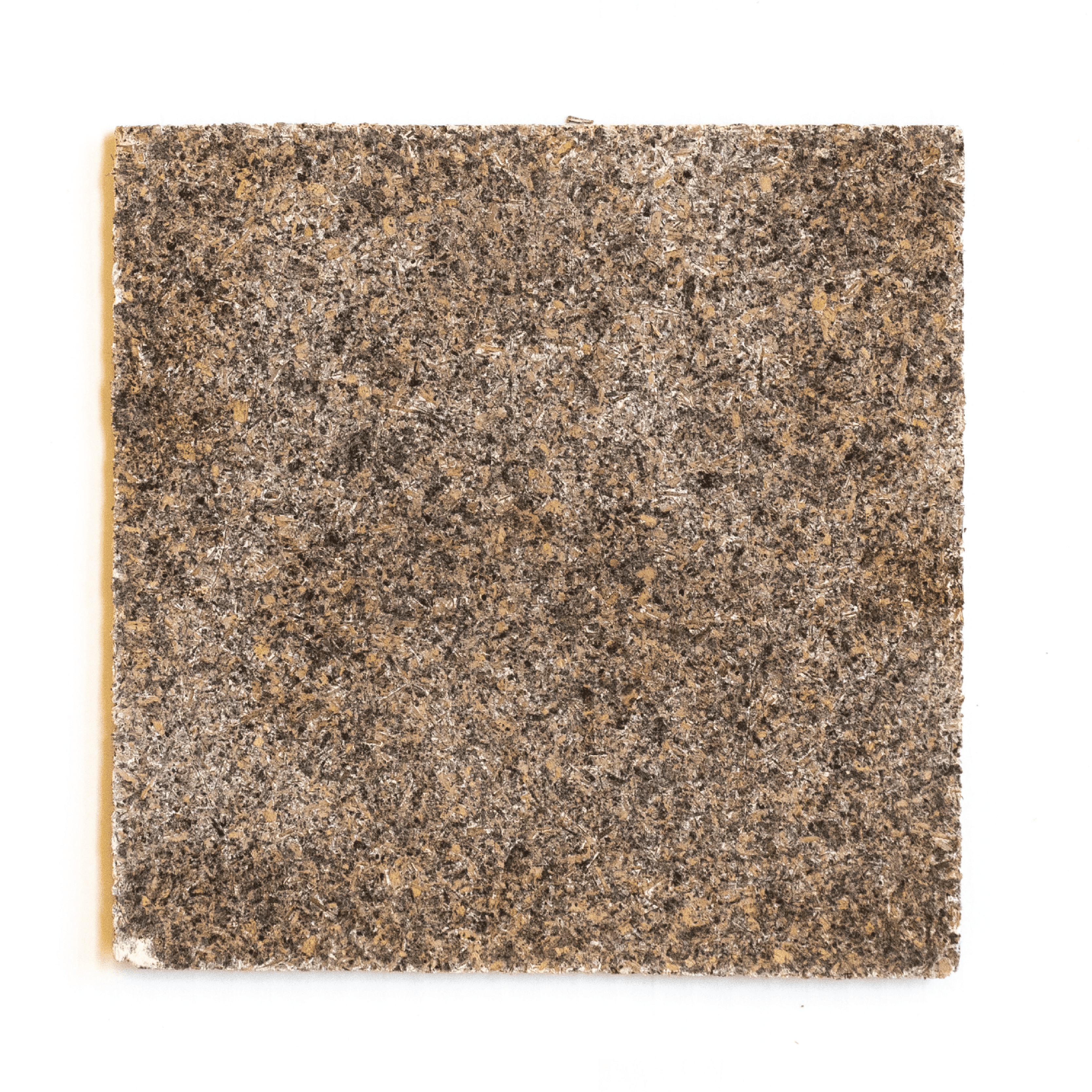
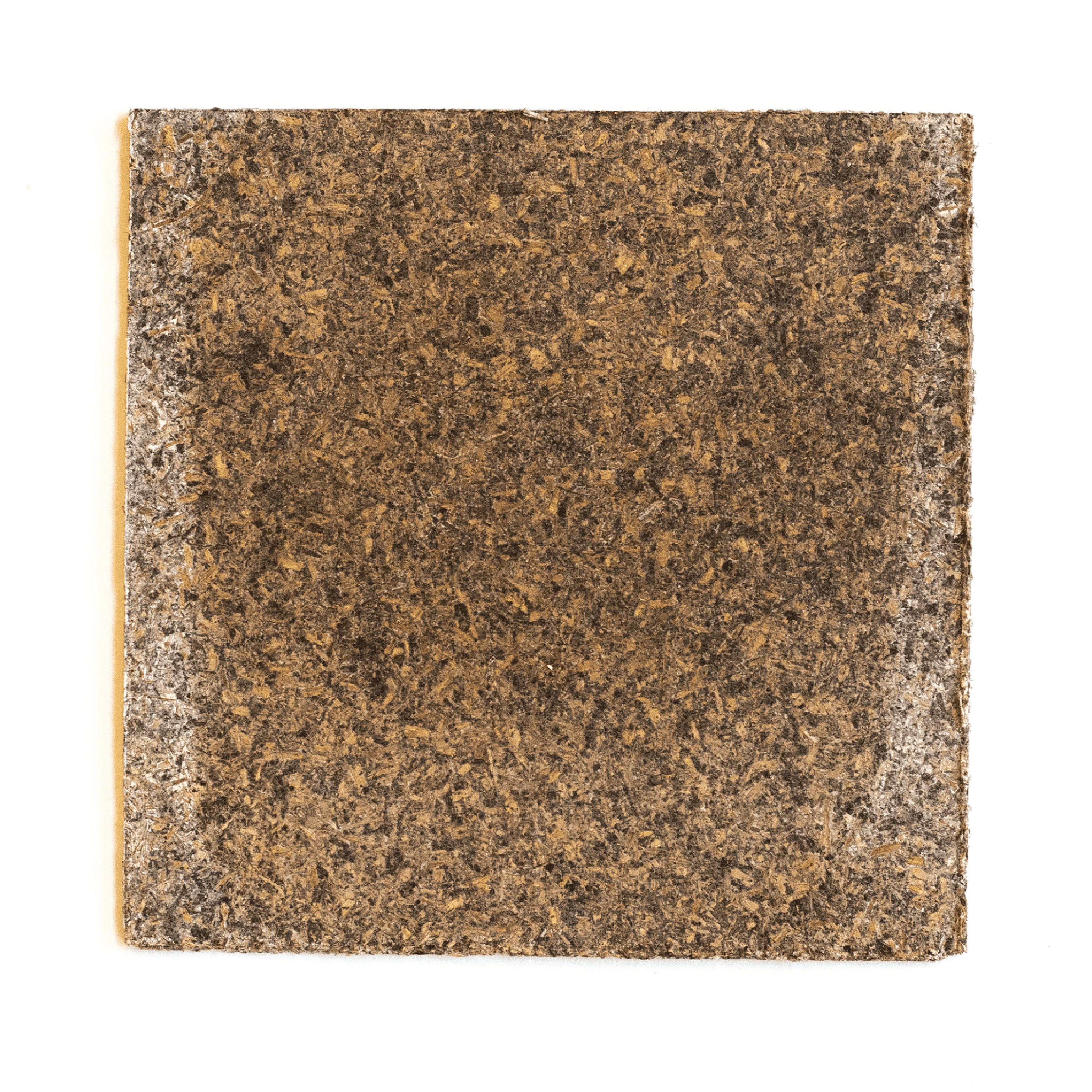
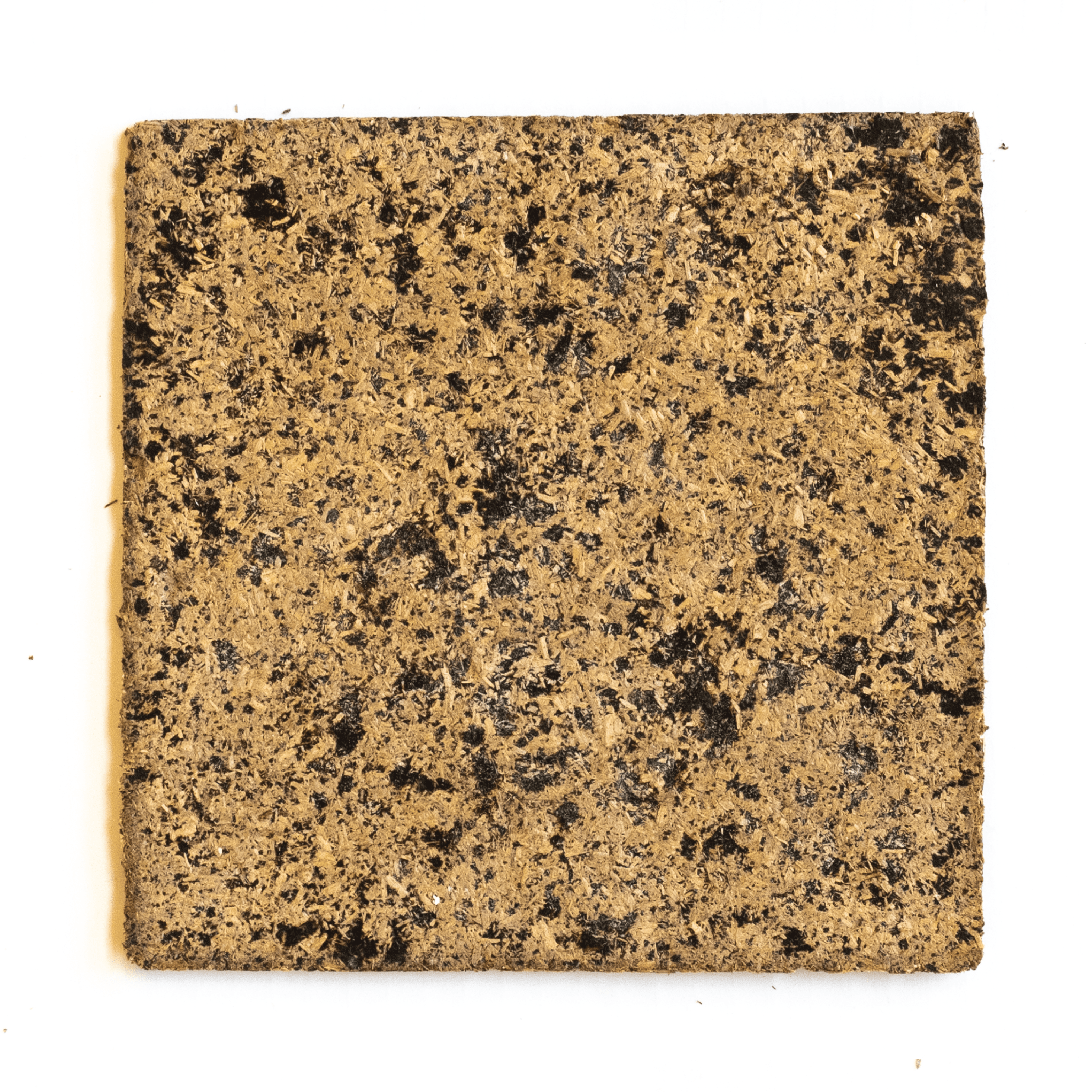
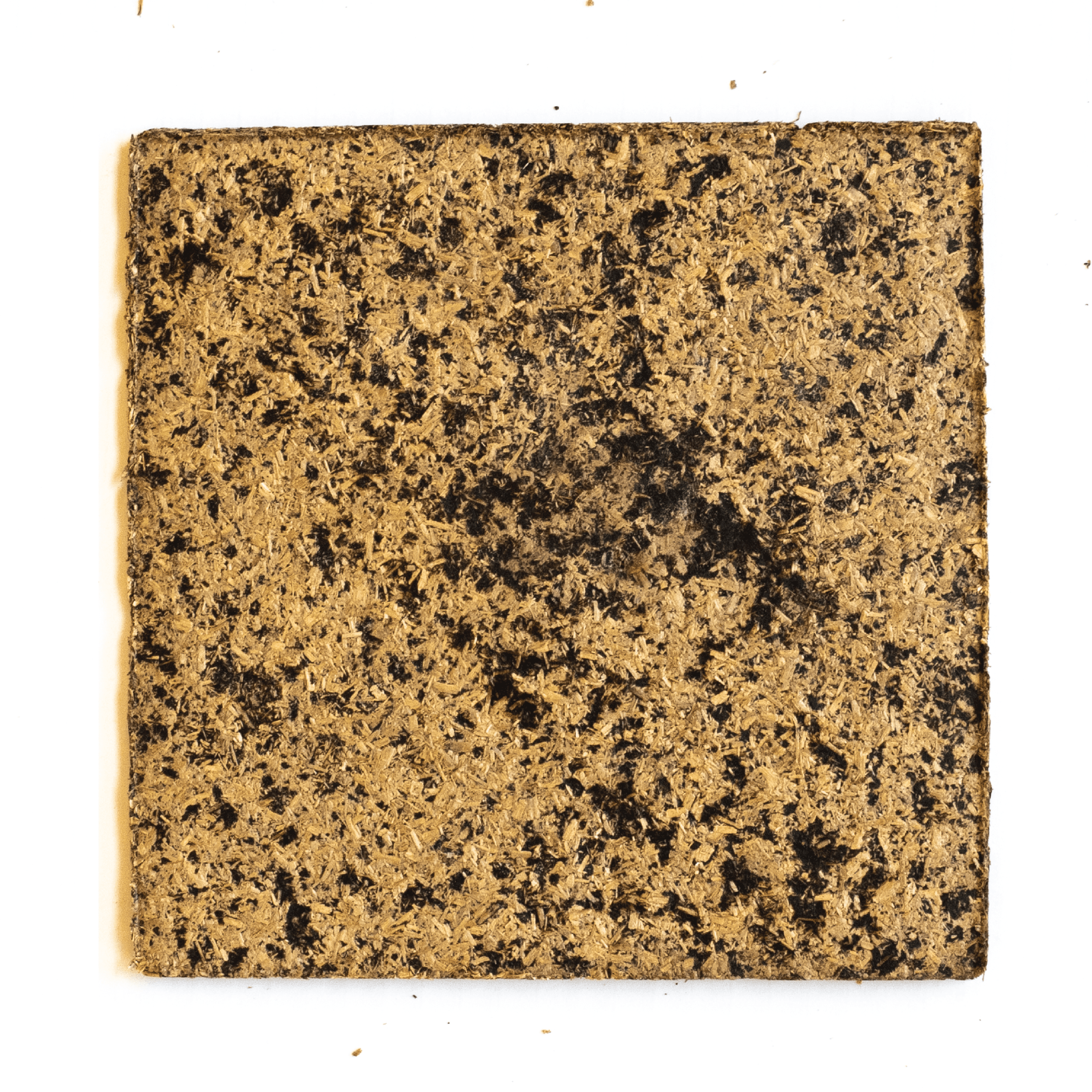
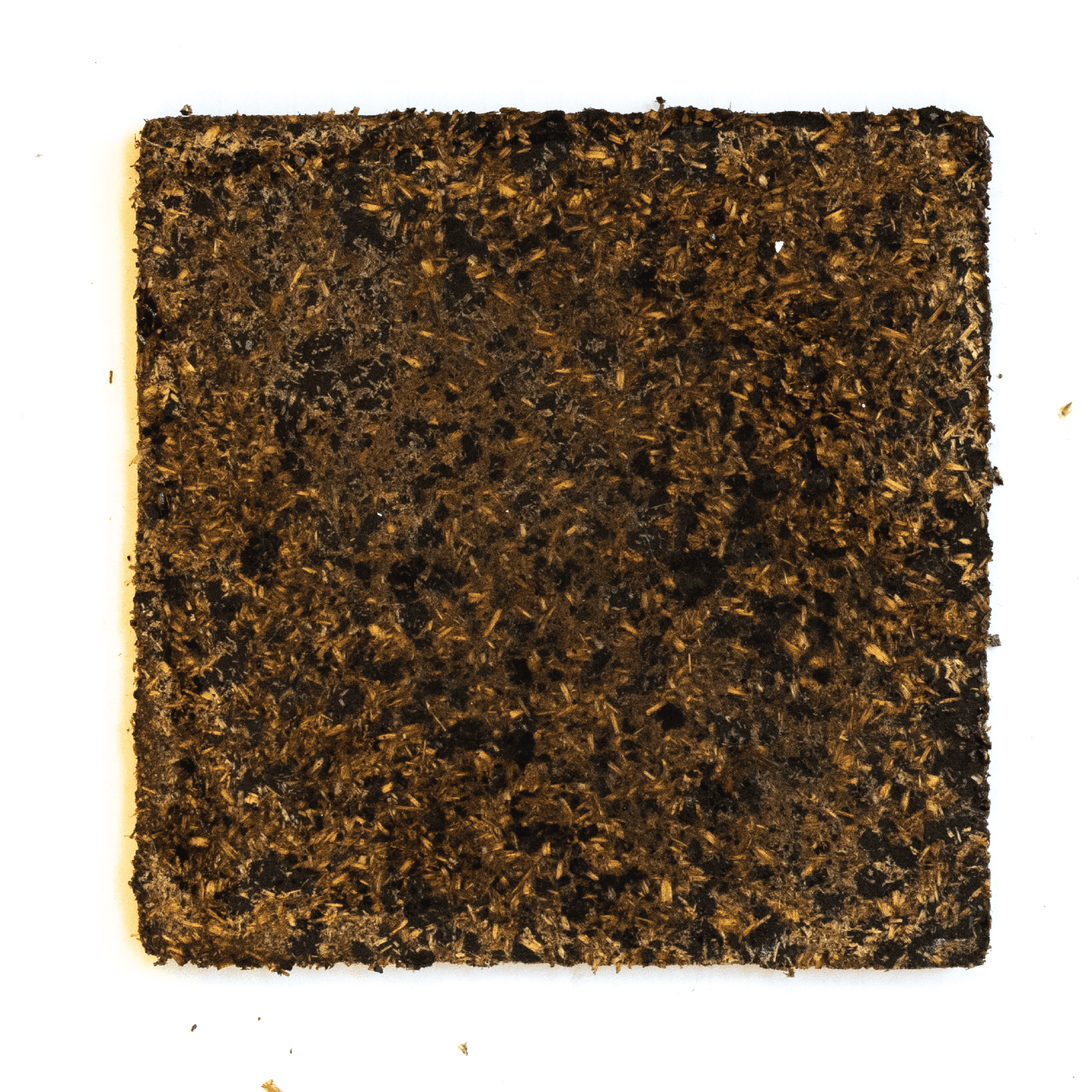
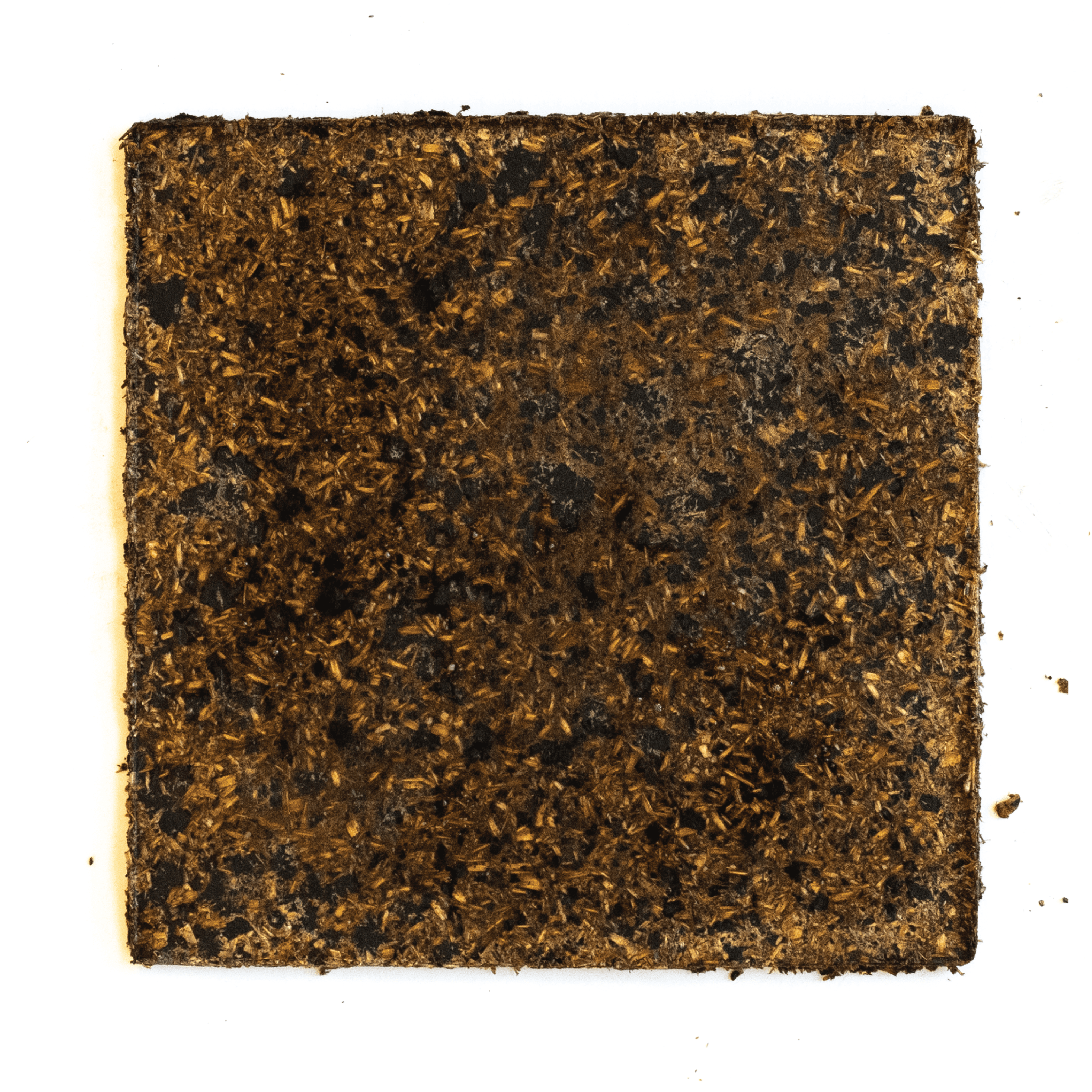
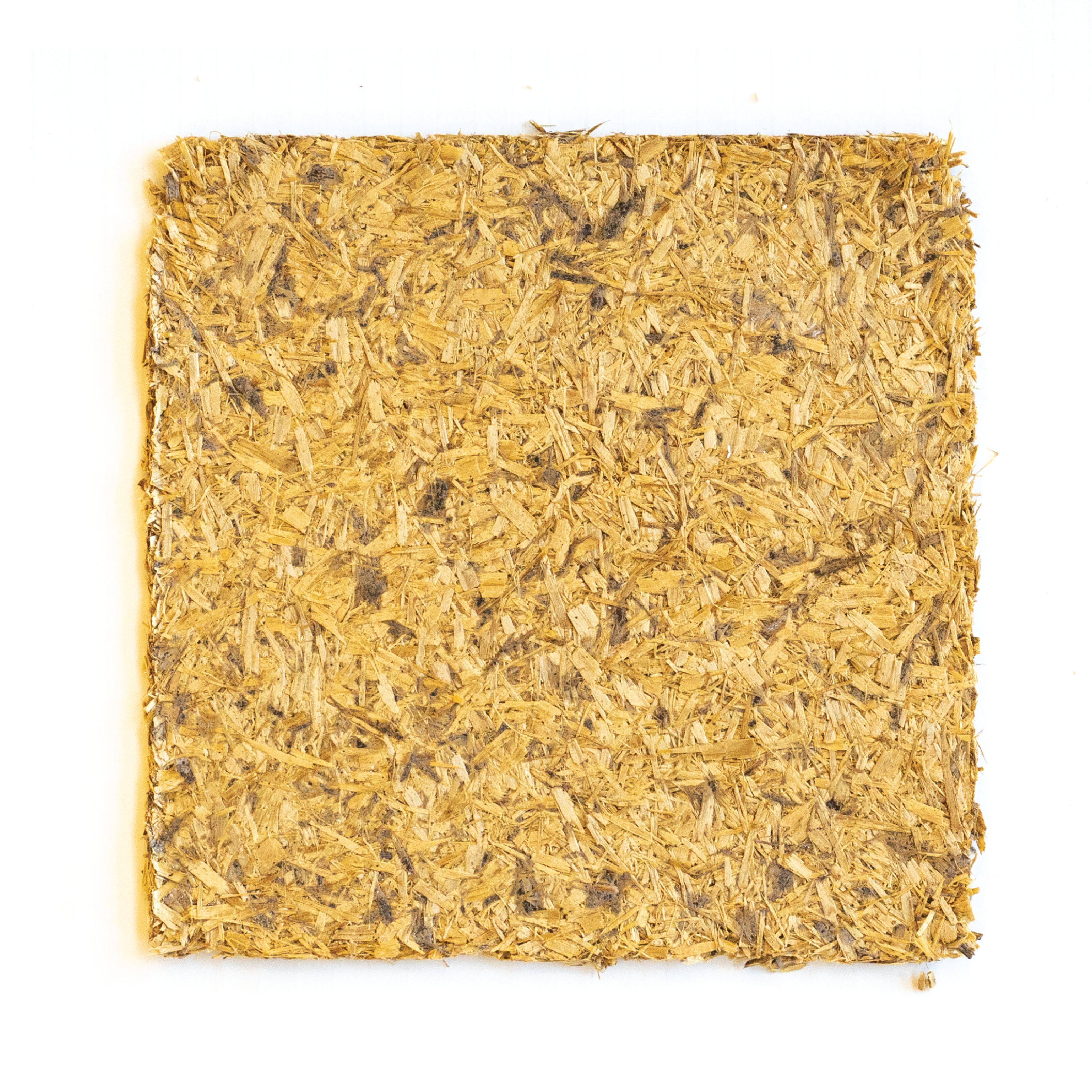
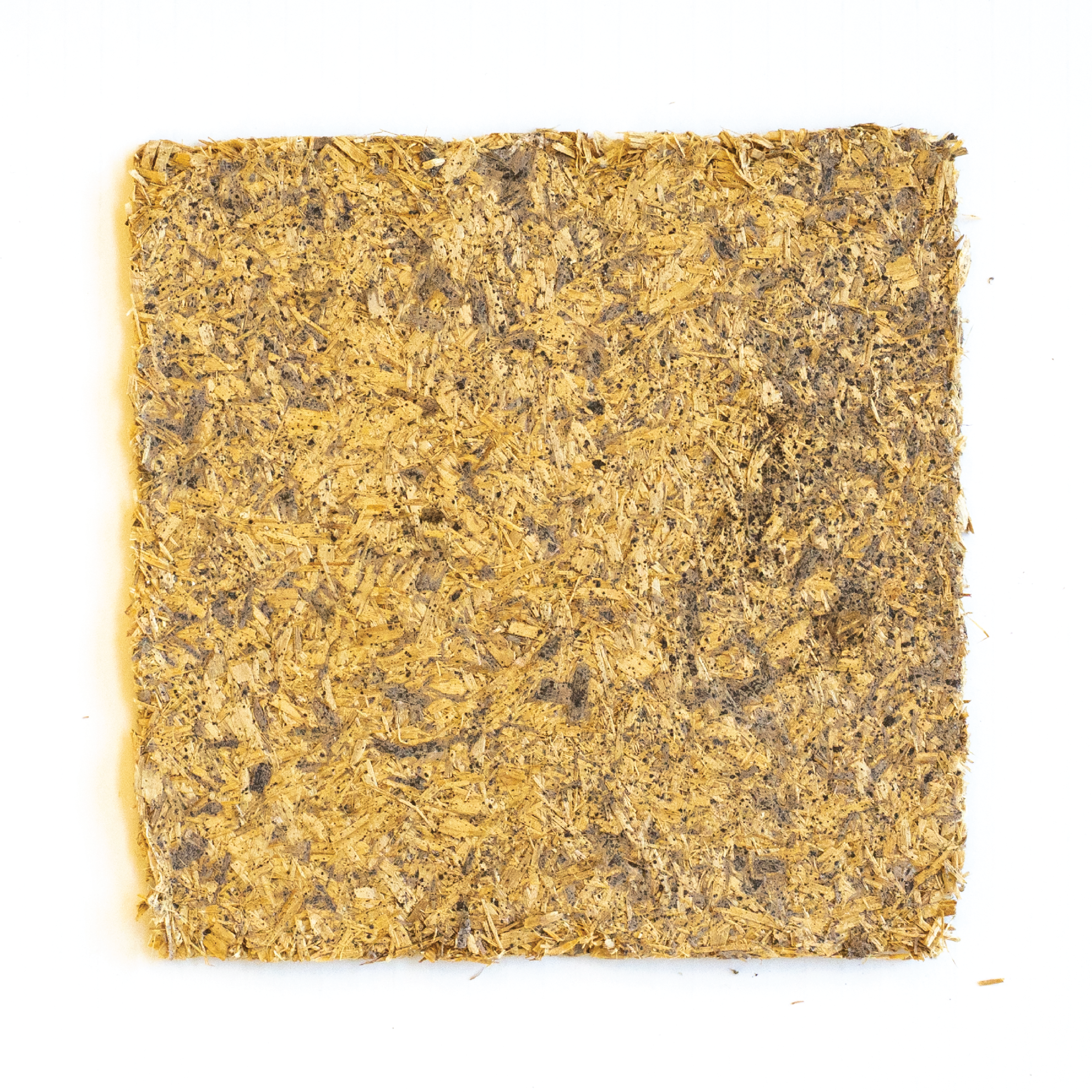
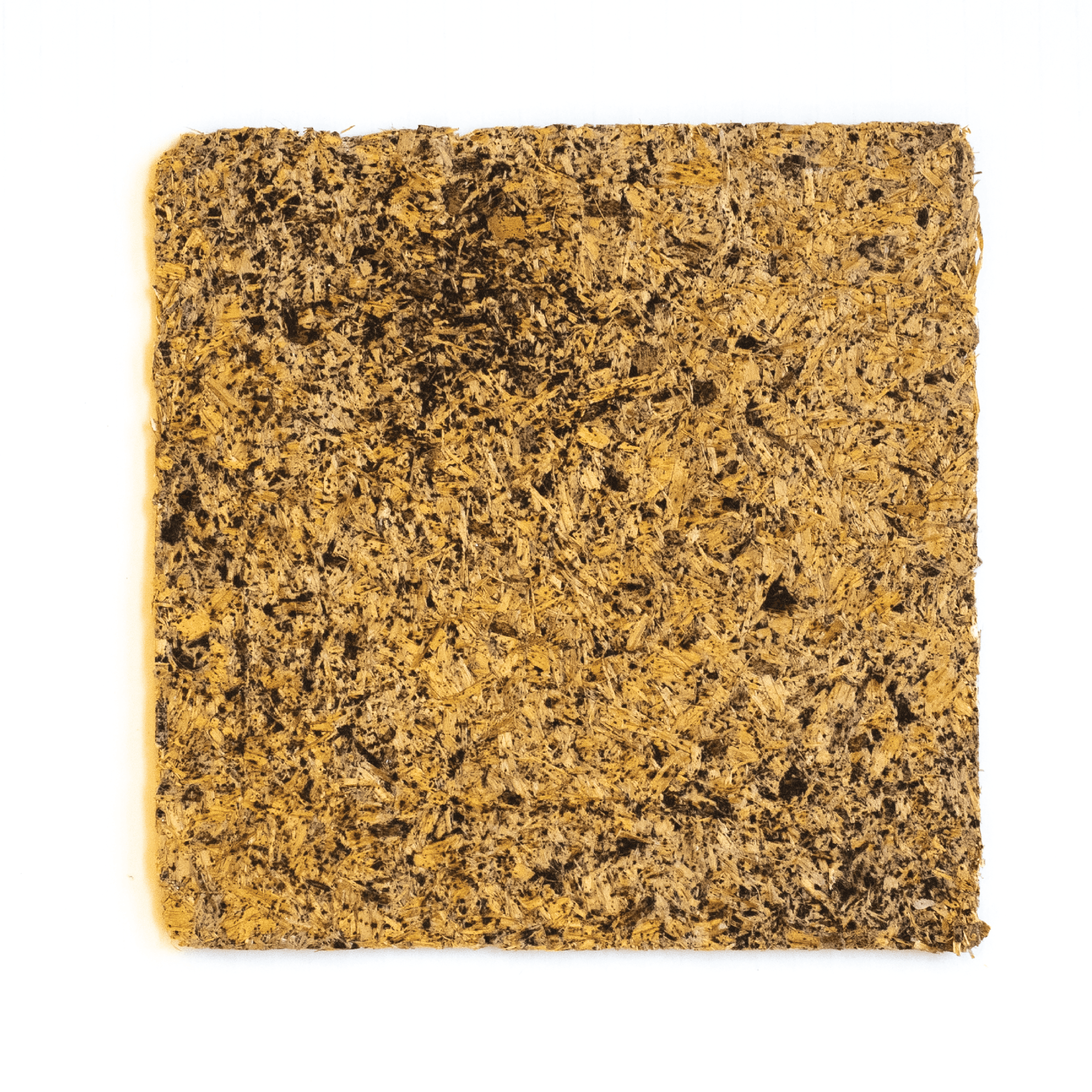
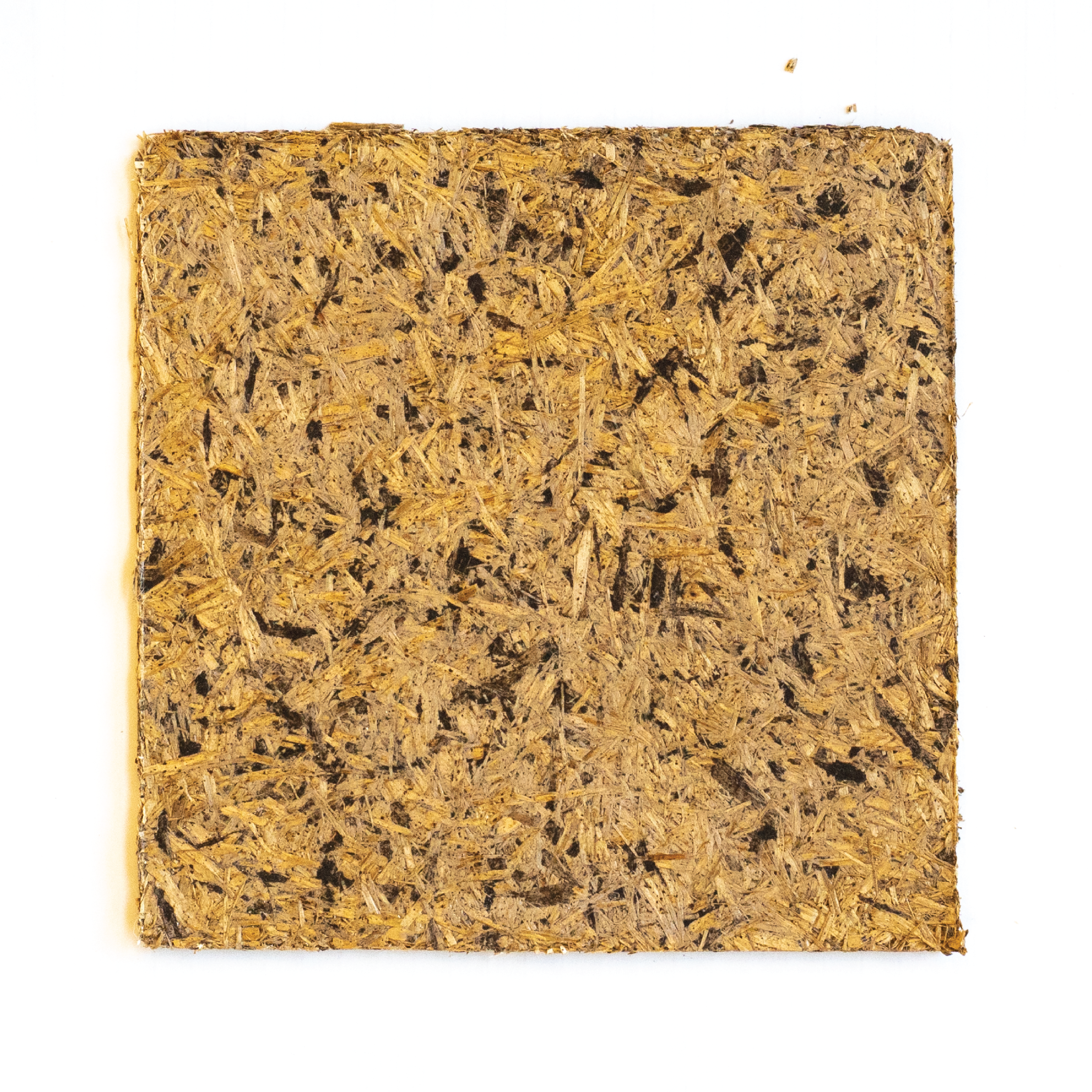
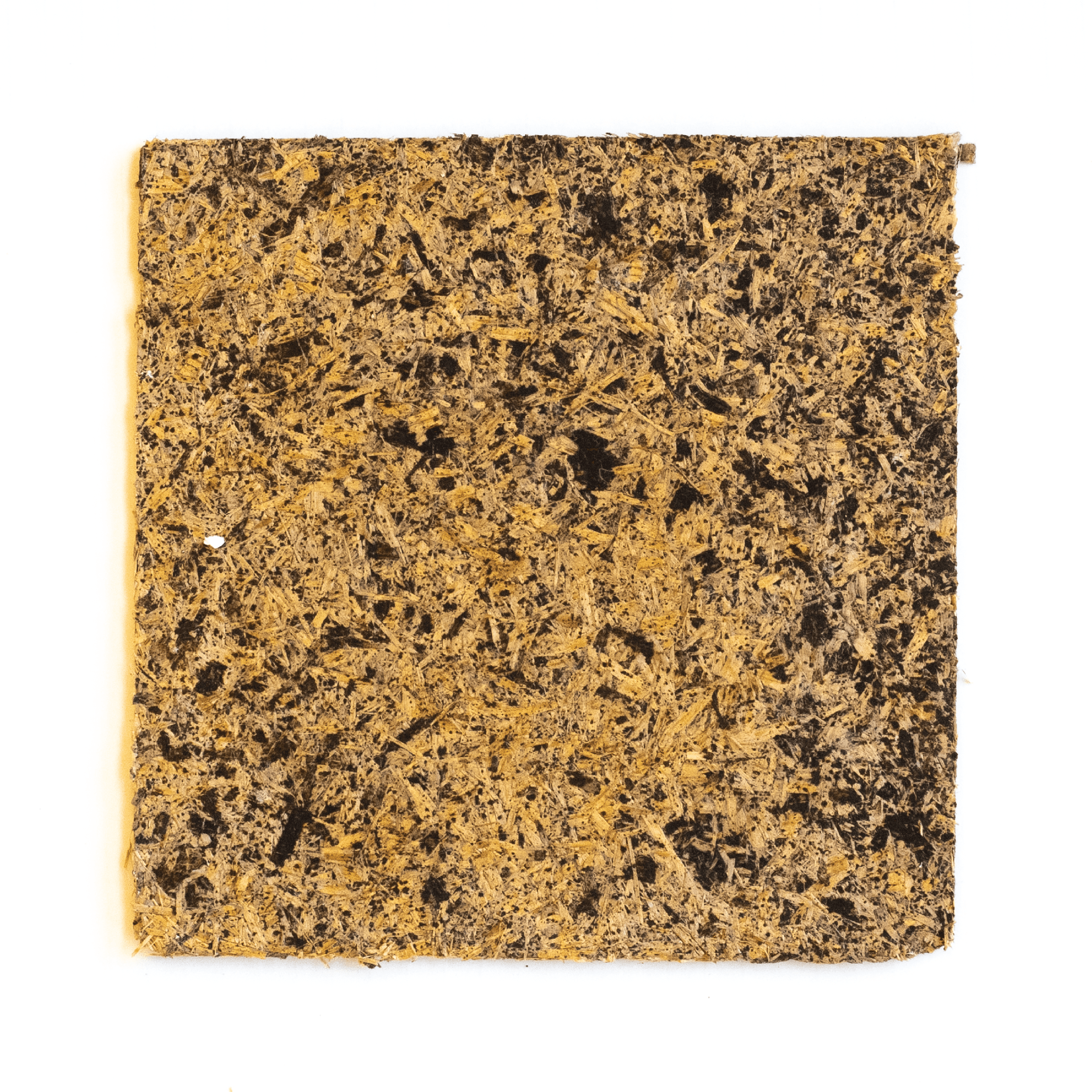
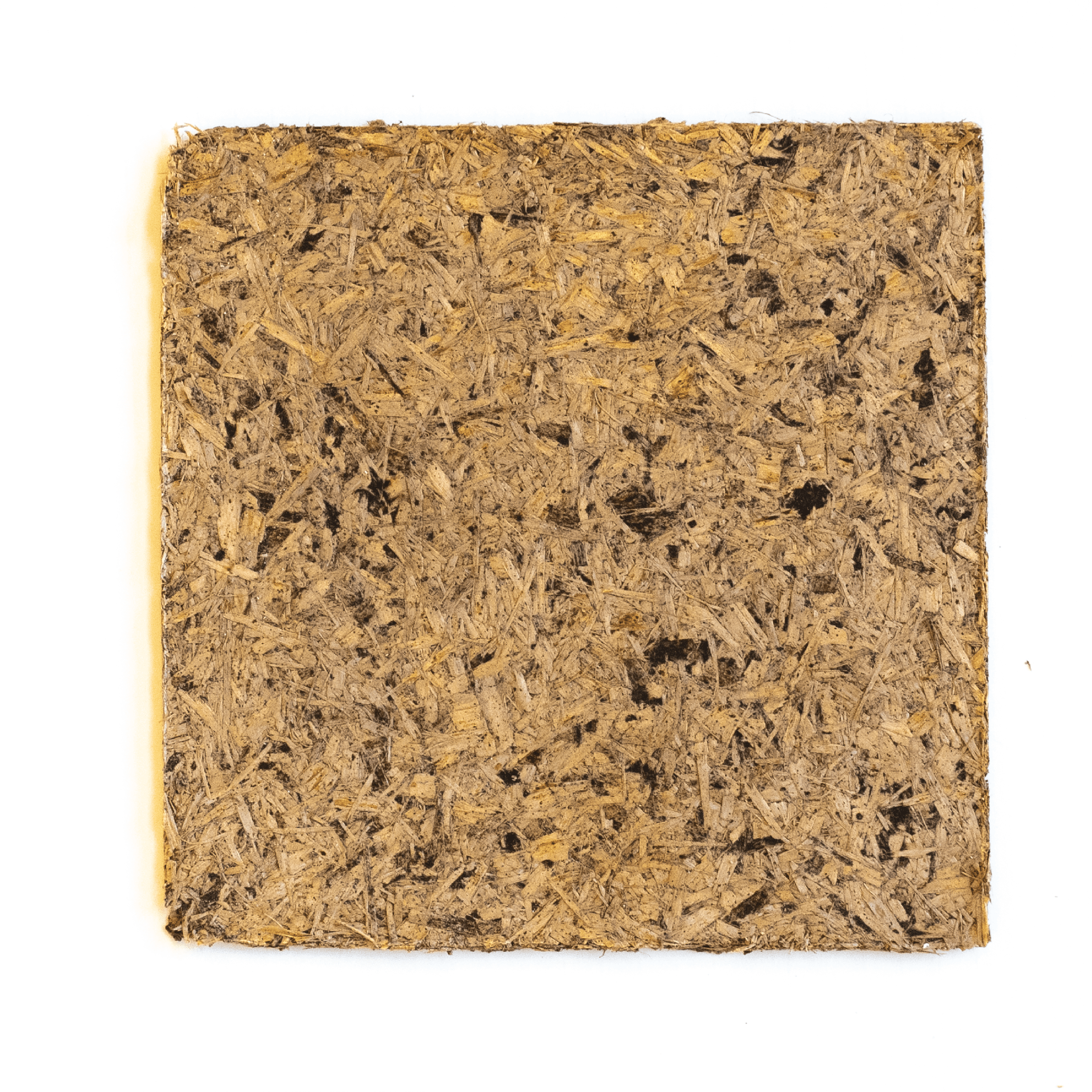
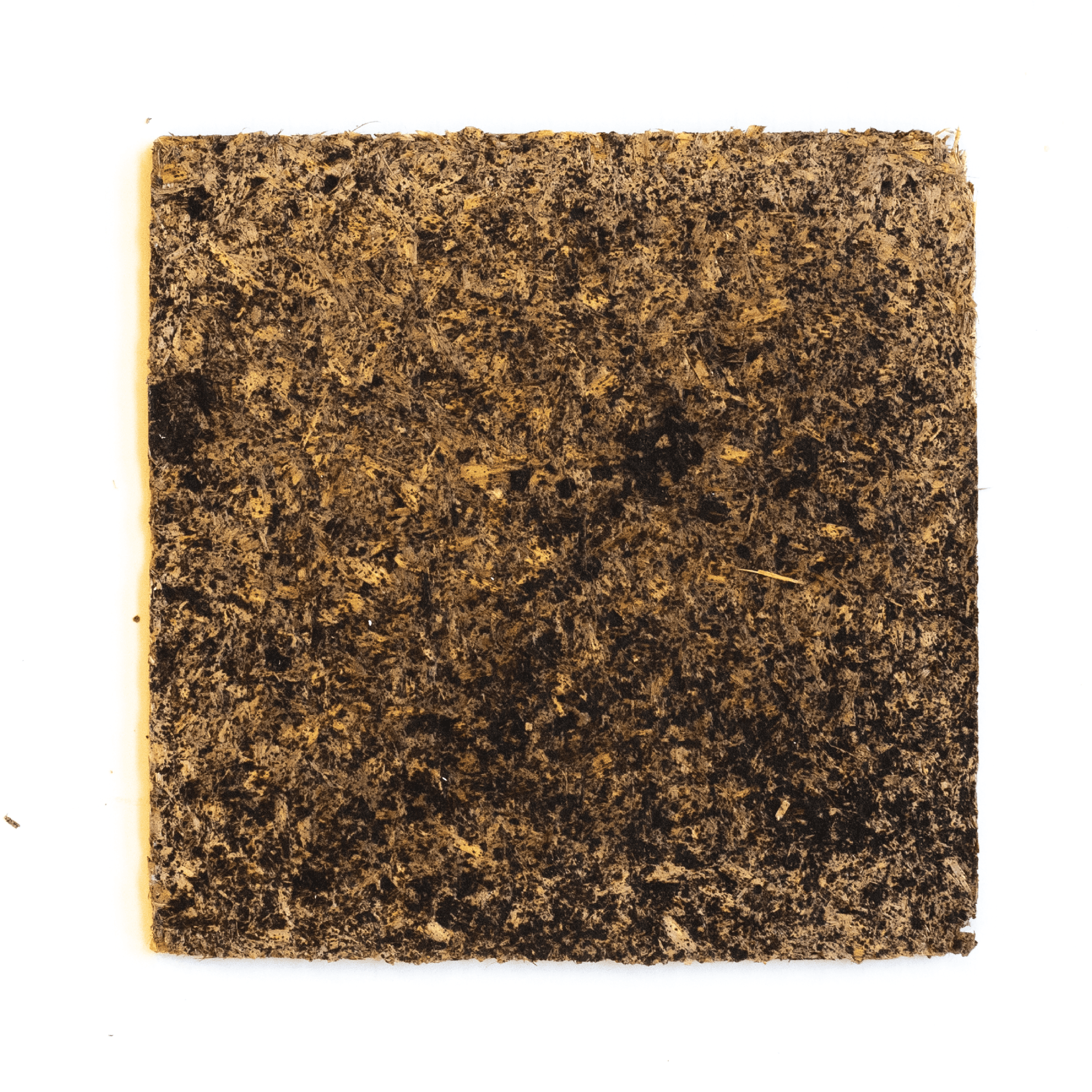
The completed press enabled a repeatable series of composite samples to be produced under controlled thermal and compressive conditions.
Each 14 × 14 cm sample was formed using the same pressing system, allowing changes in material composition to be evaluated while maintaining consistent fabrication conditions.
Fine and coarse wood-fibre samples were produced across a range of lignin contents, creating a standardized specimen series for subsequent material testing and comparison.
08
Pressing Process
Heat and compression are applied simultaneously through the fabricated platen and hydraulic systems.
The complete pressing cycle brings the structural, hydraulic, thermal, and control systems together into a single material forming process.
Research Application
Reversible Wood Composites
The heat press was developed as fabrication infrastructure for the production and testing of lignin-based wood composite materials.