Site under construction — check back daily for updates
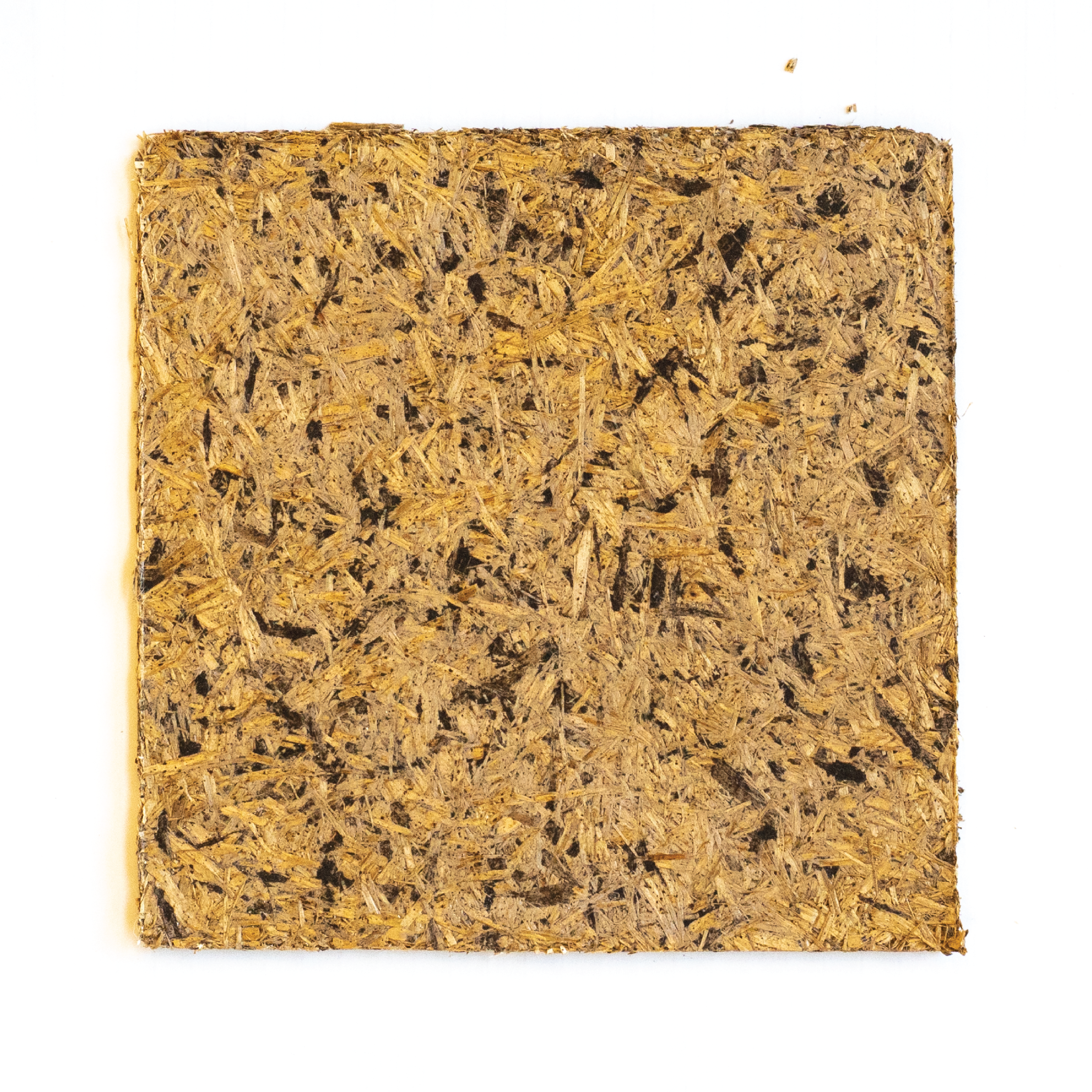
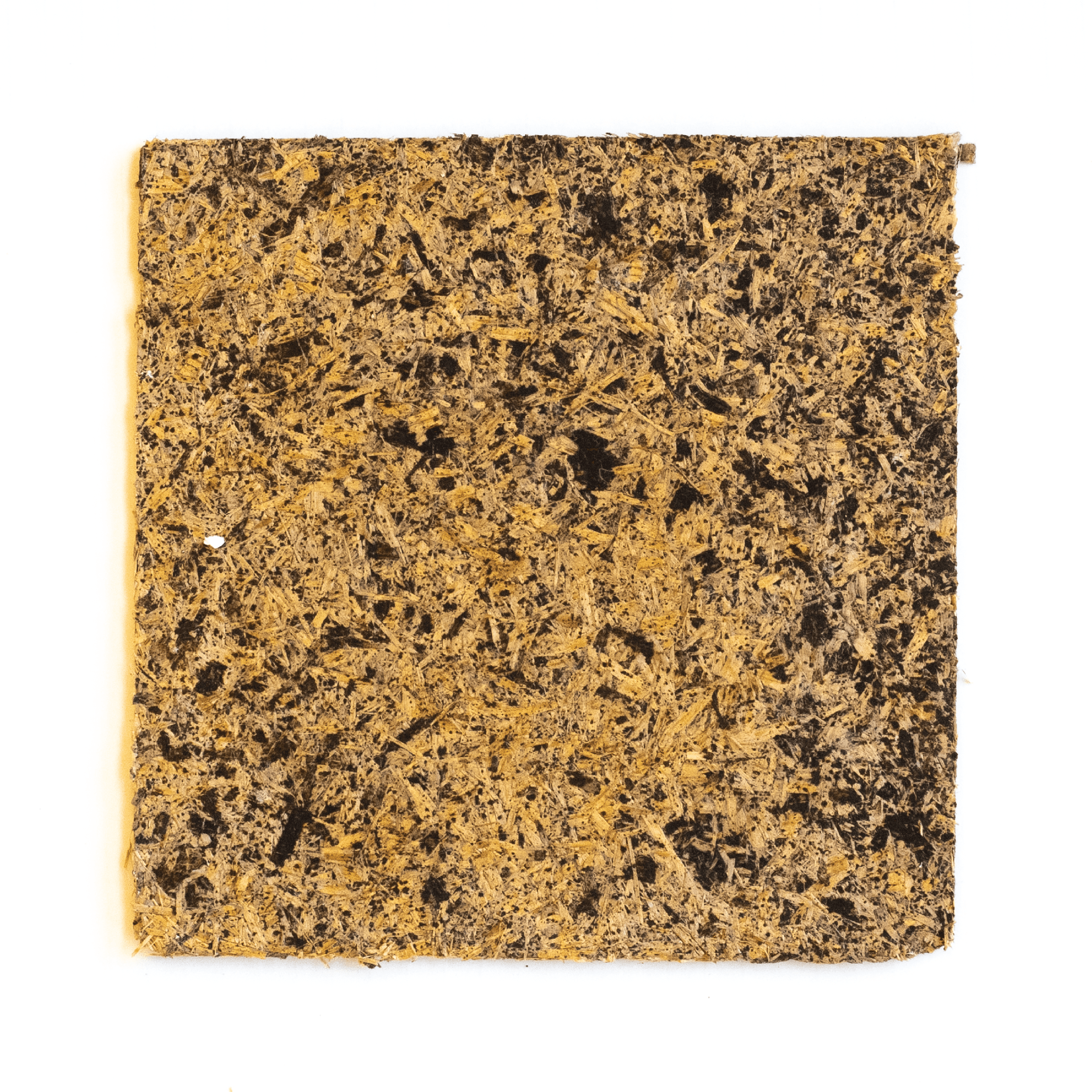
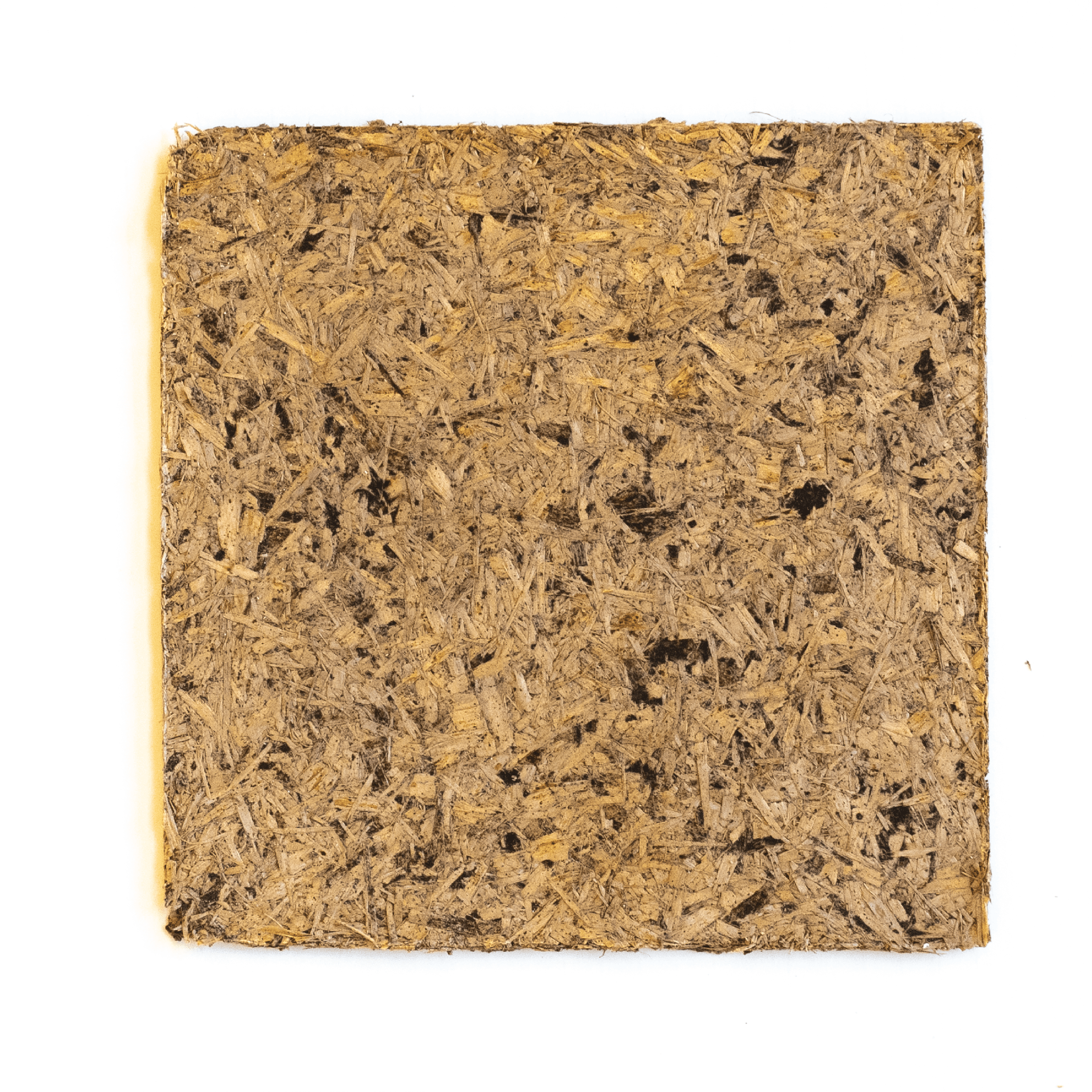
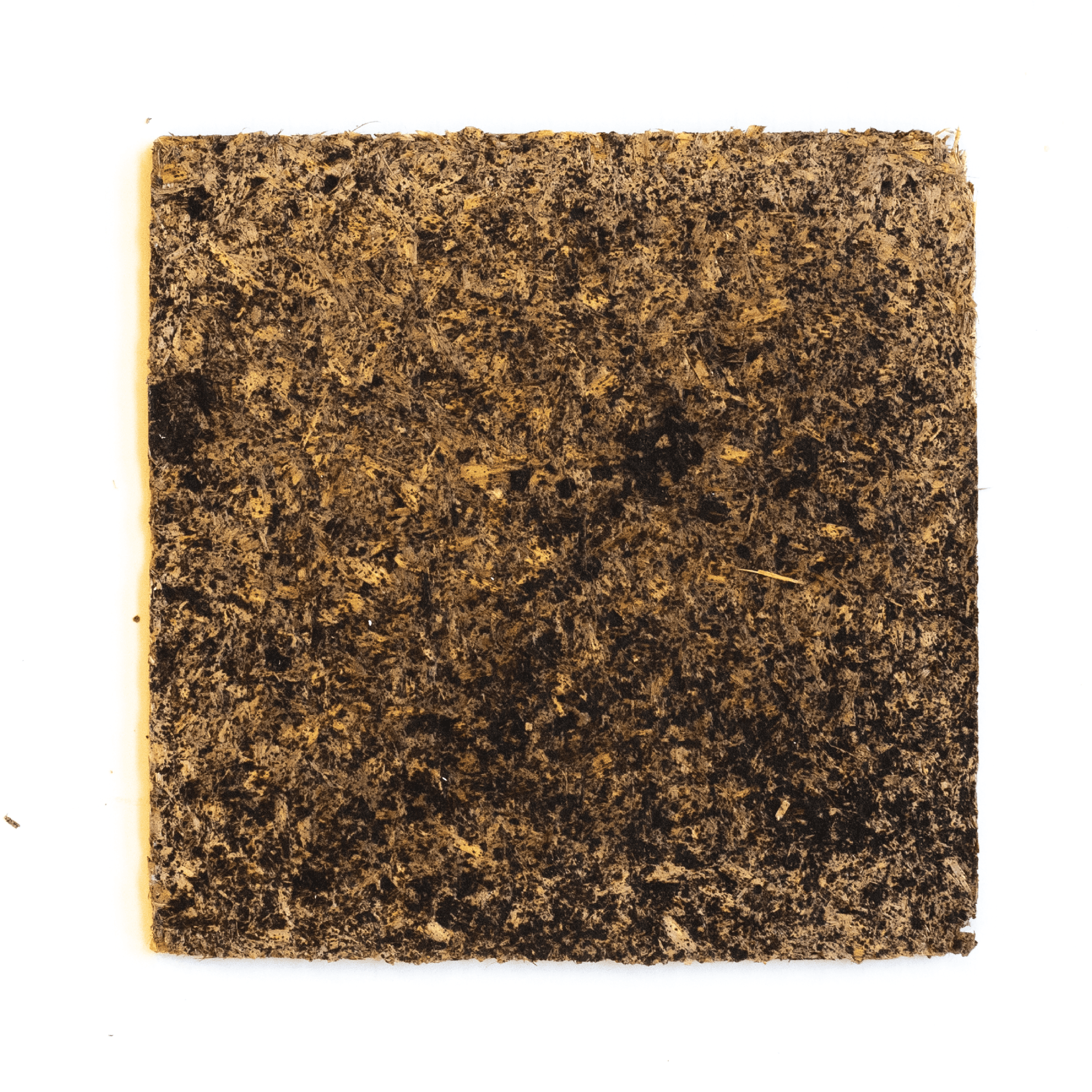
Material Specimen Field
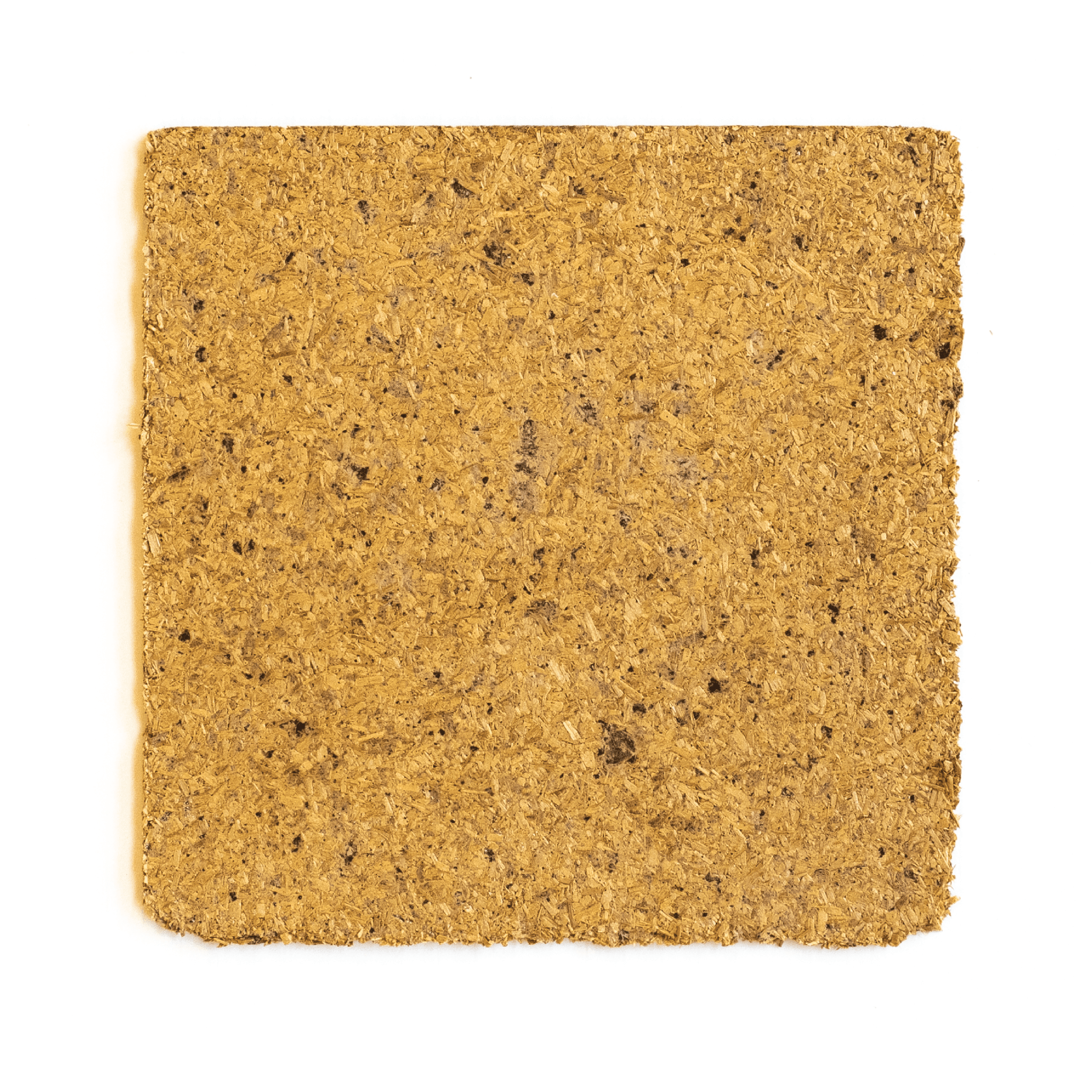
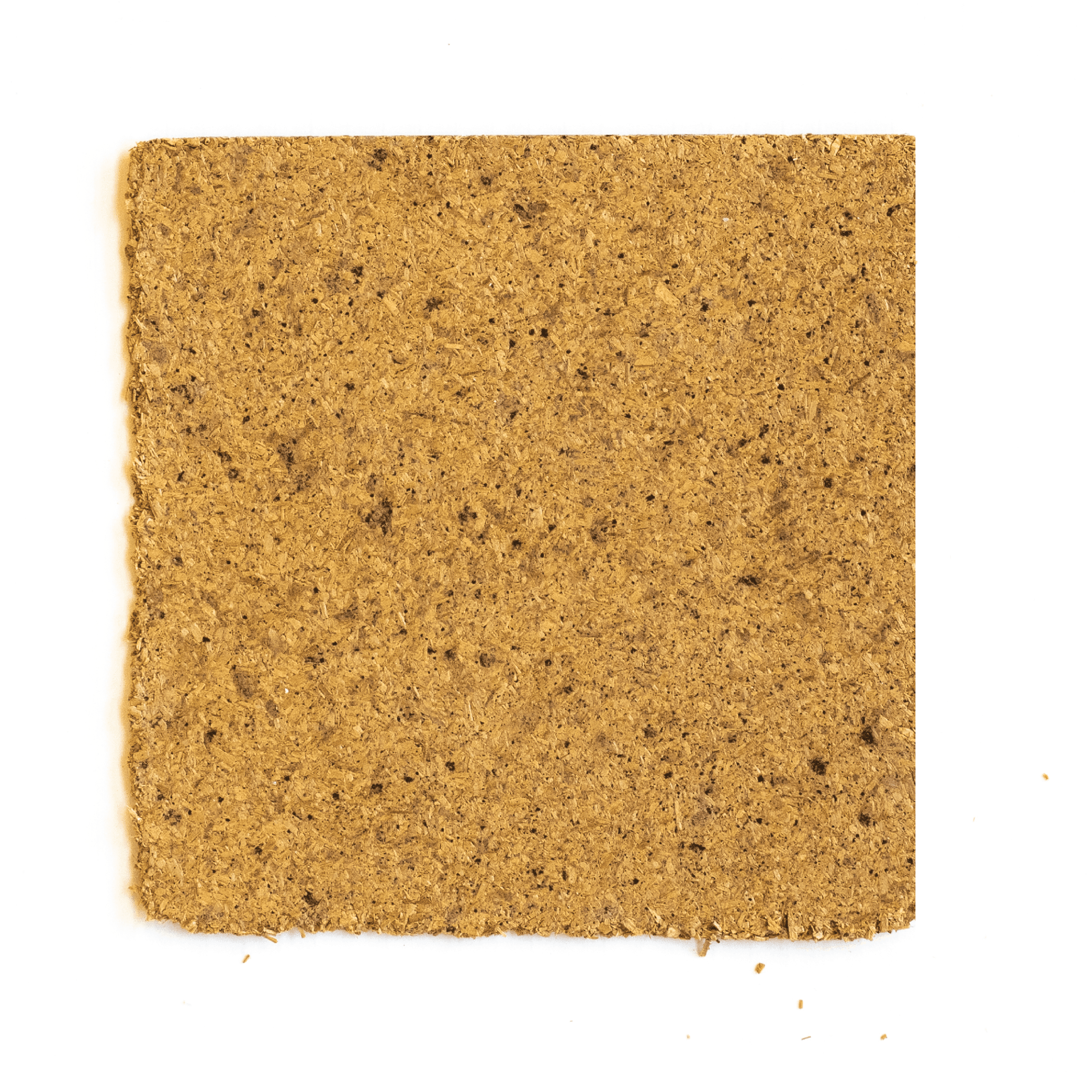
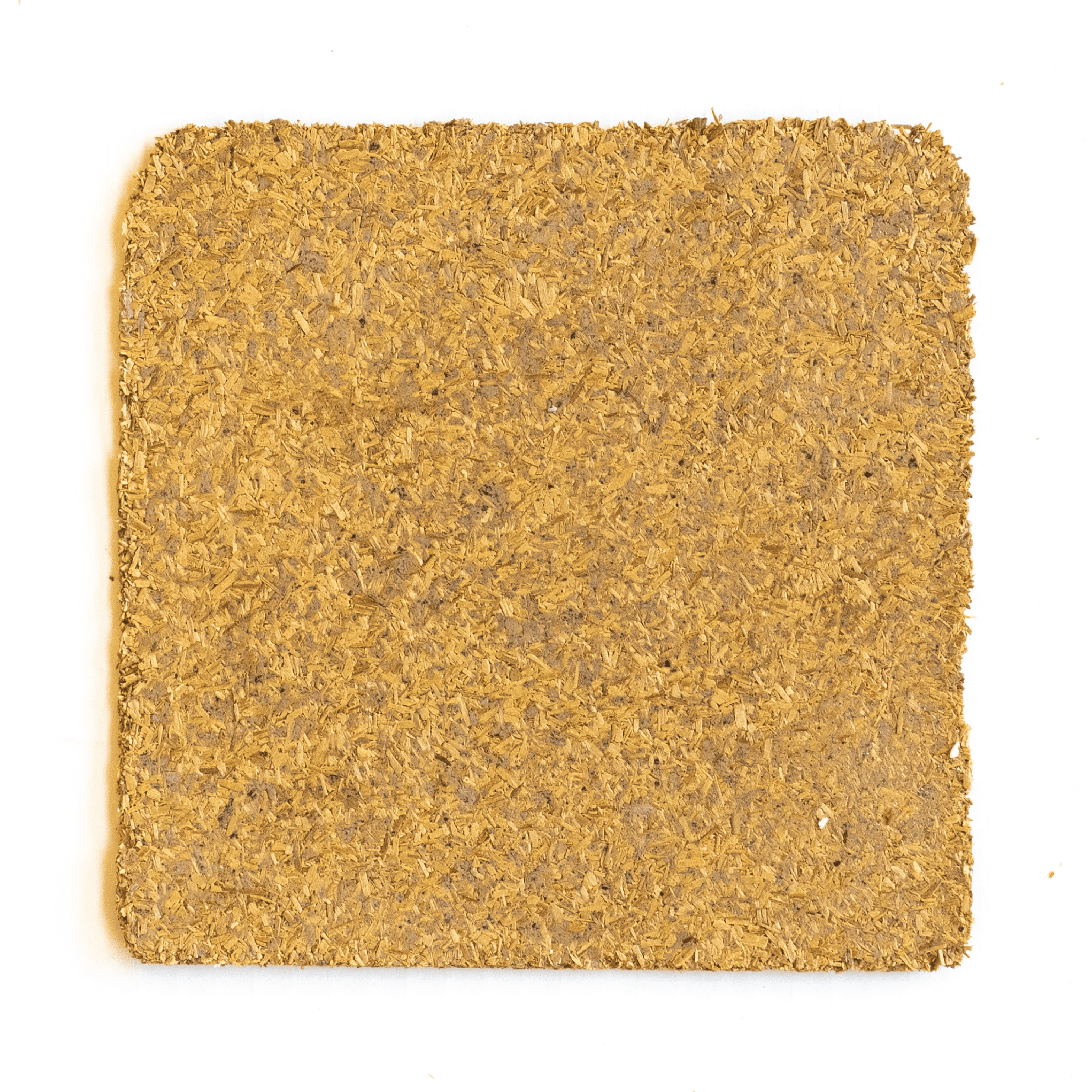
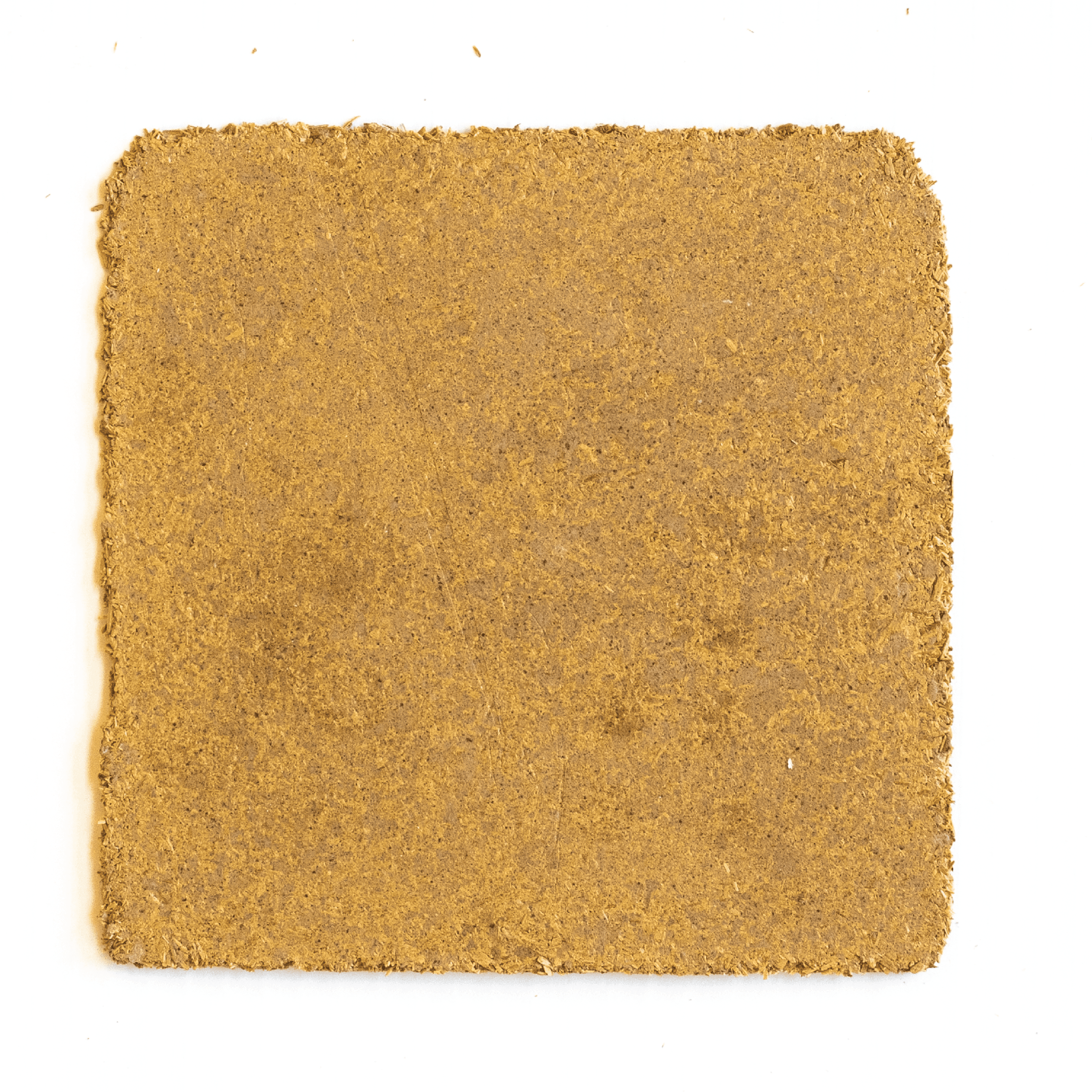
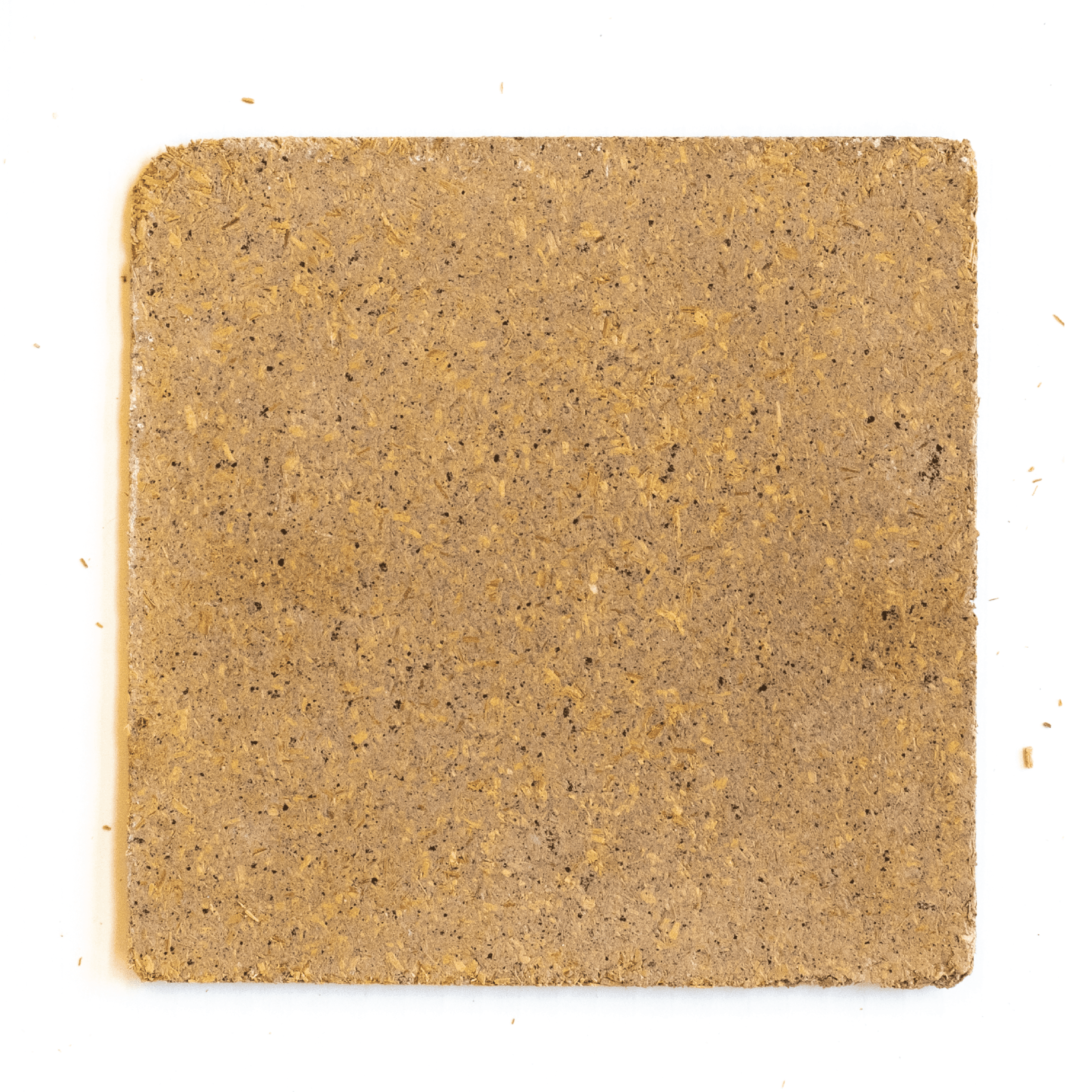
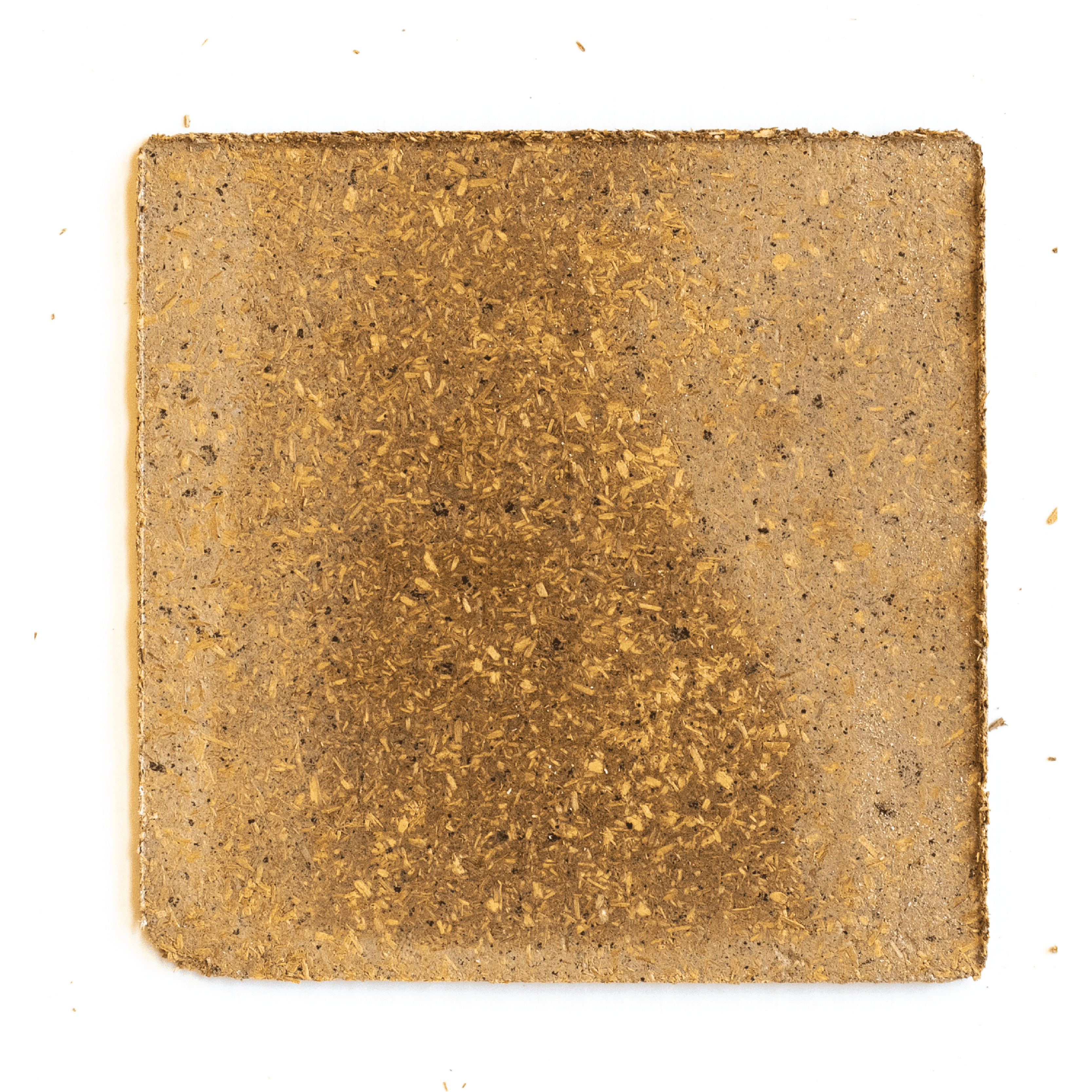
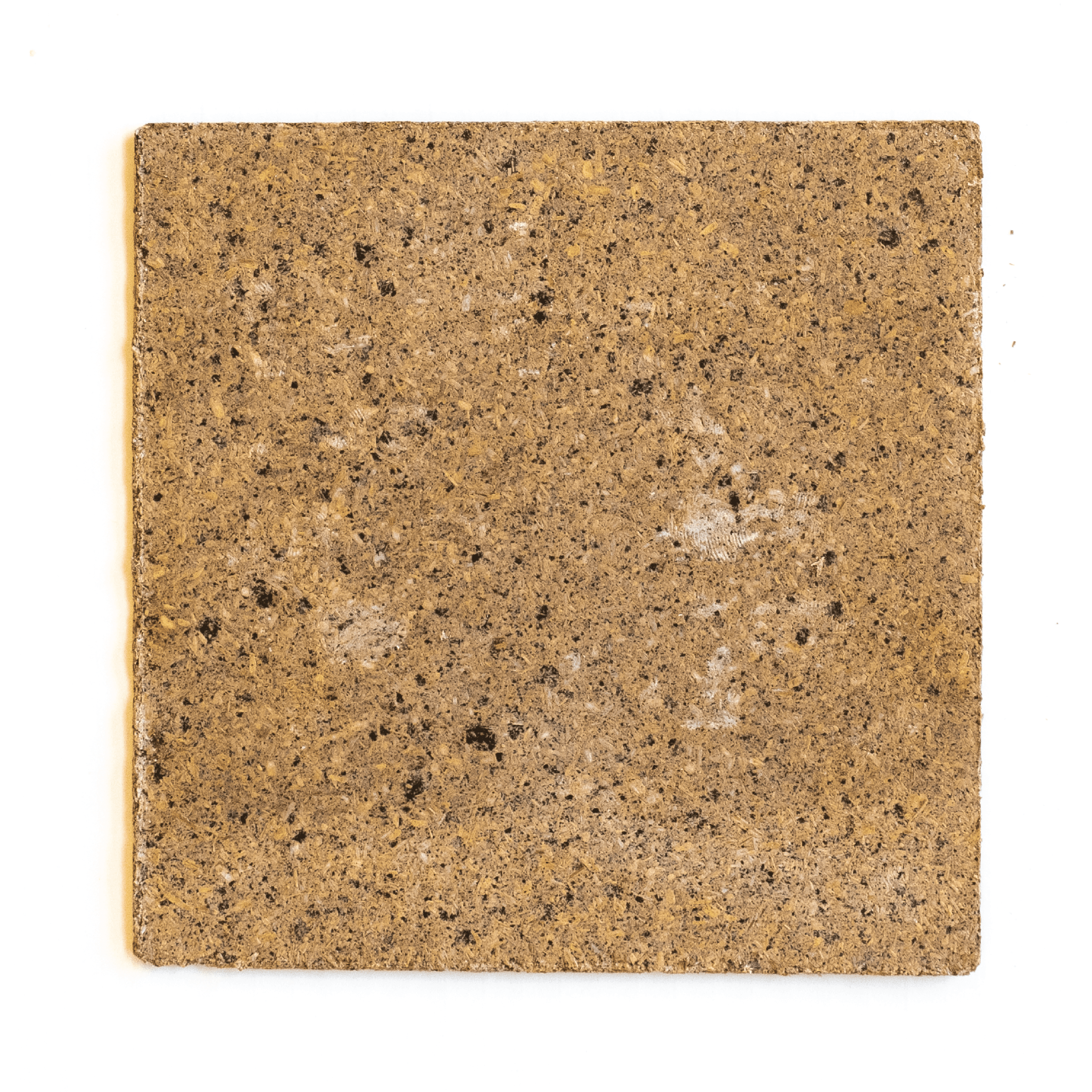
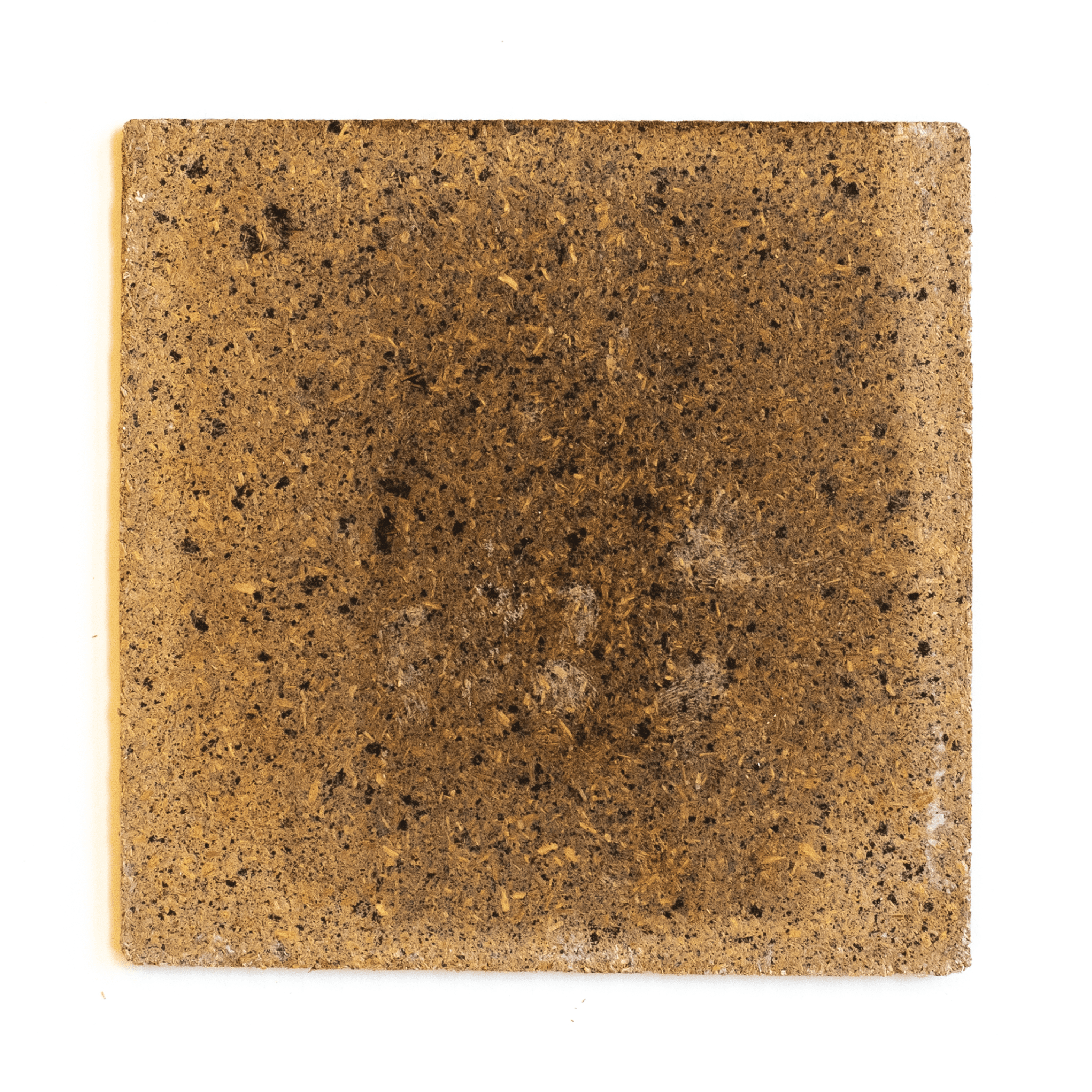
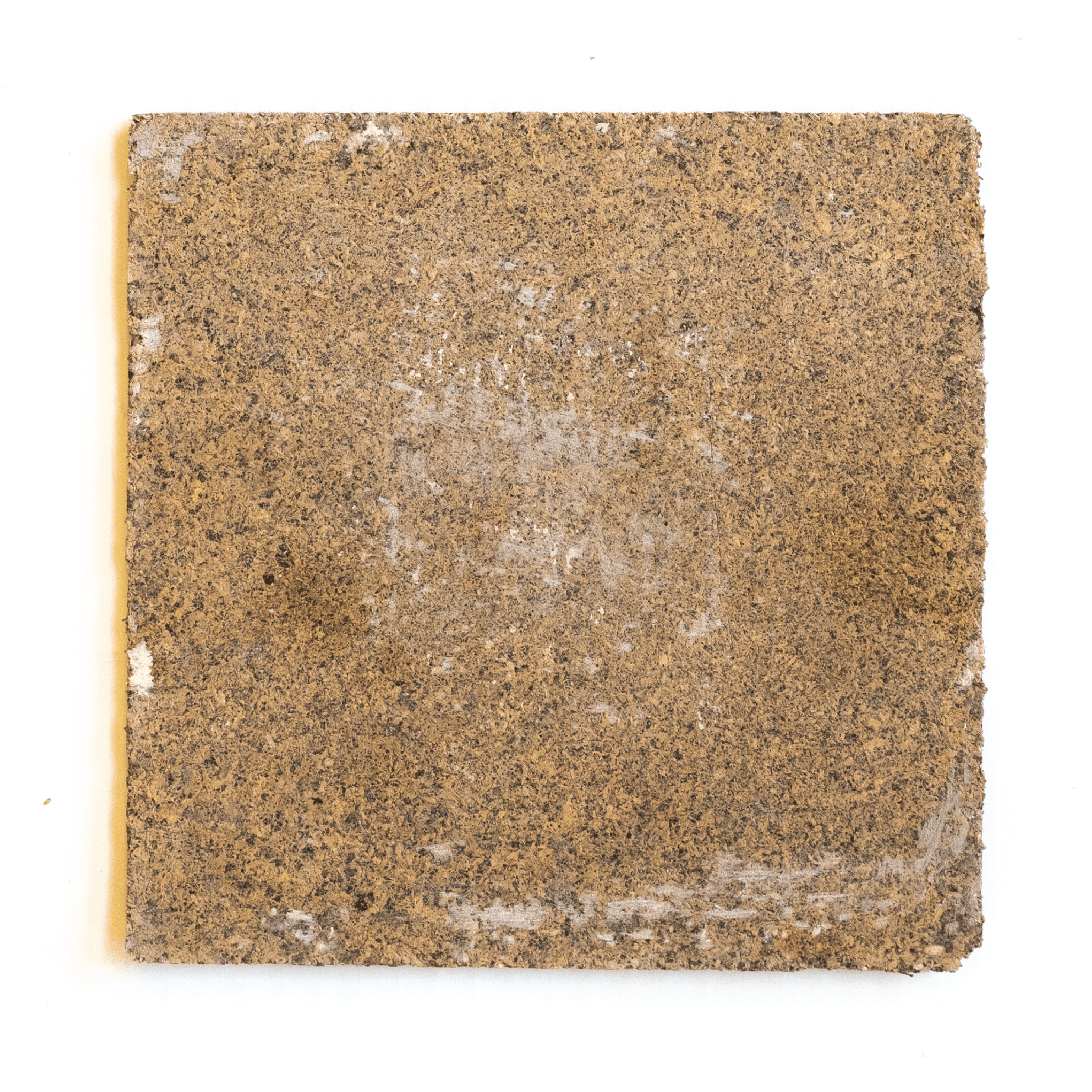
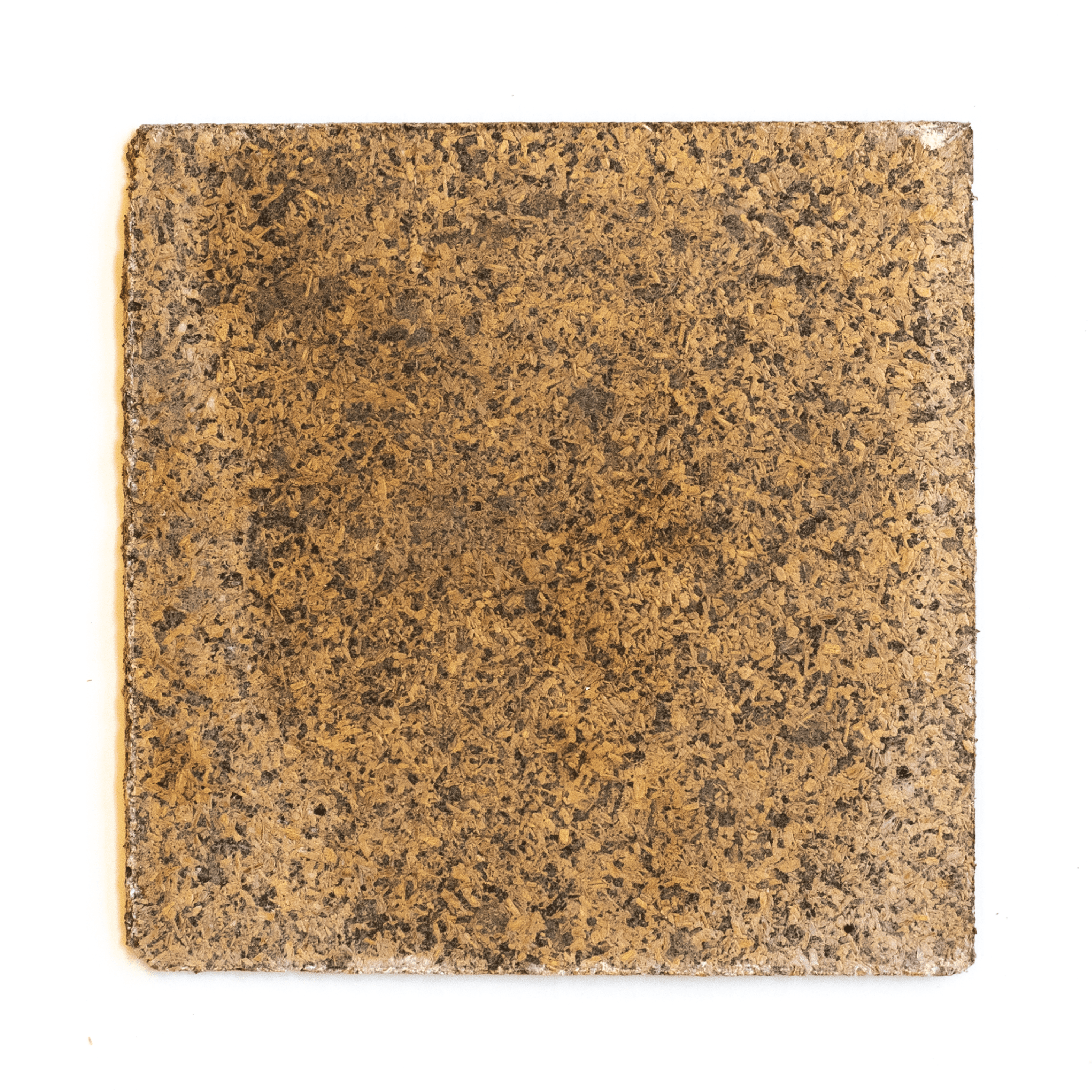
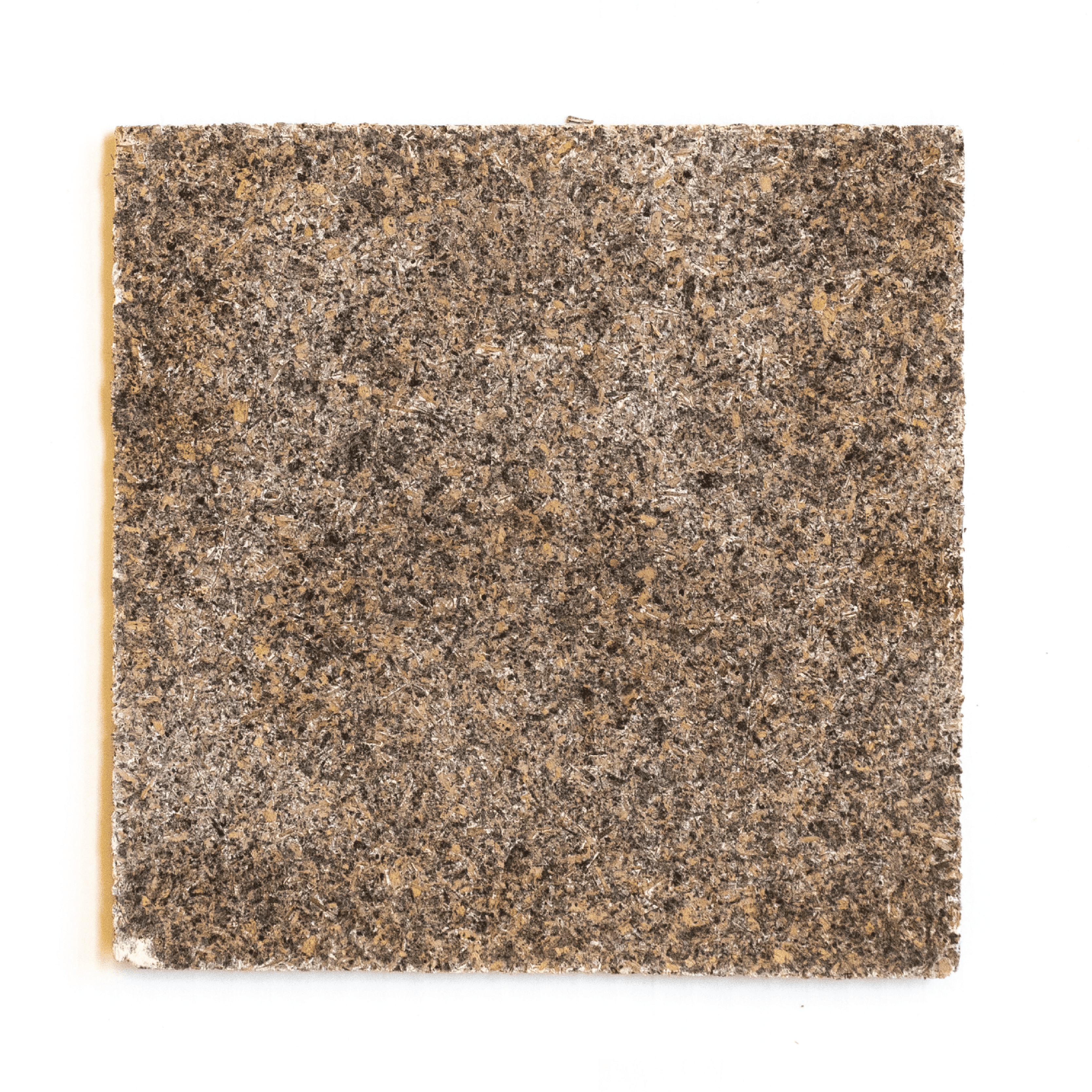
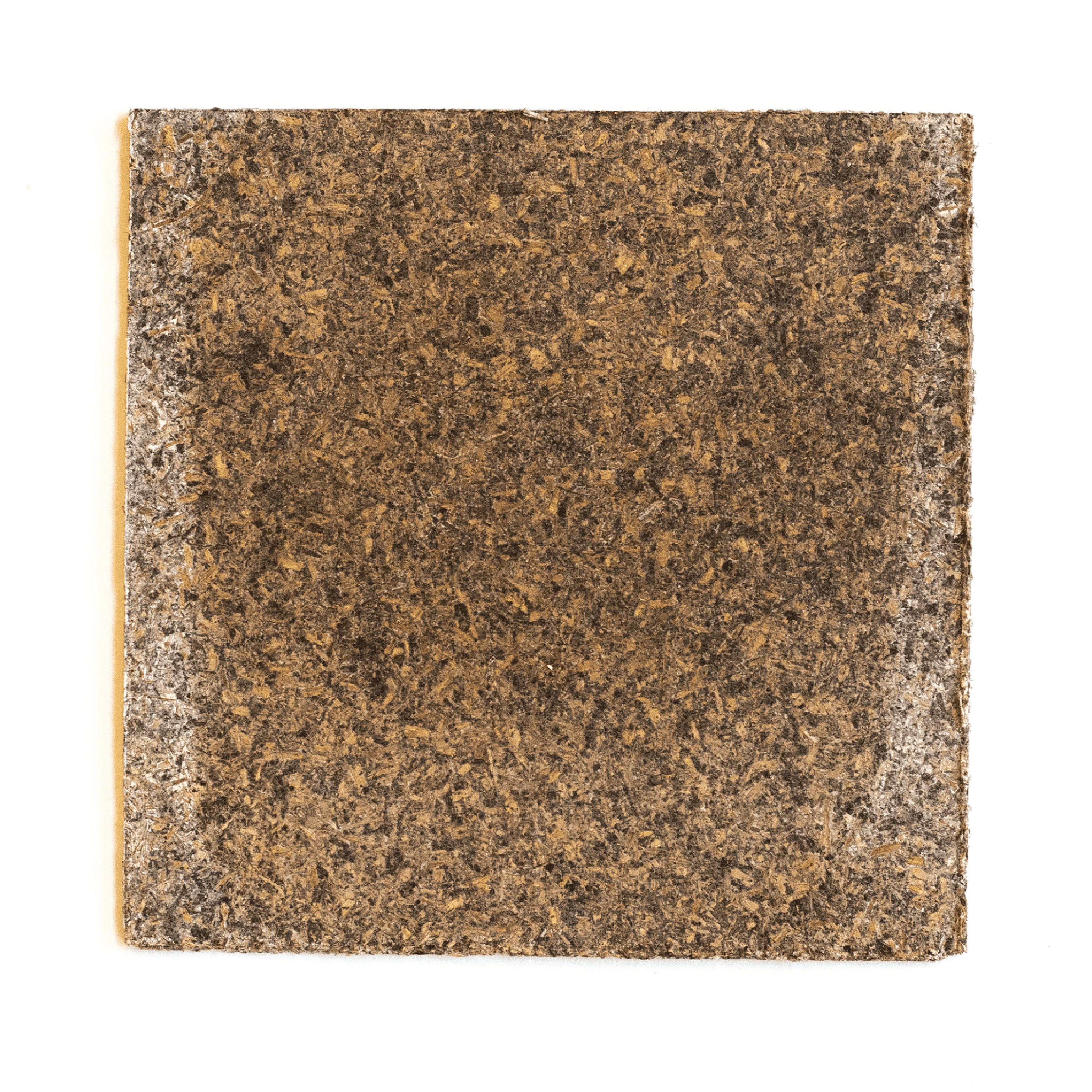
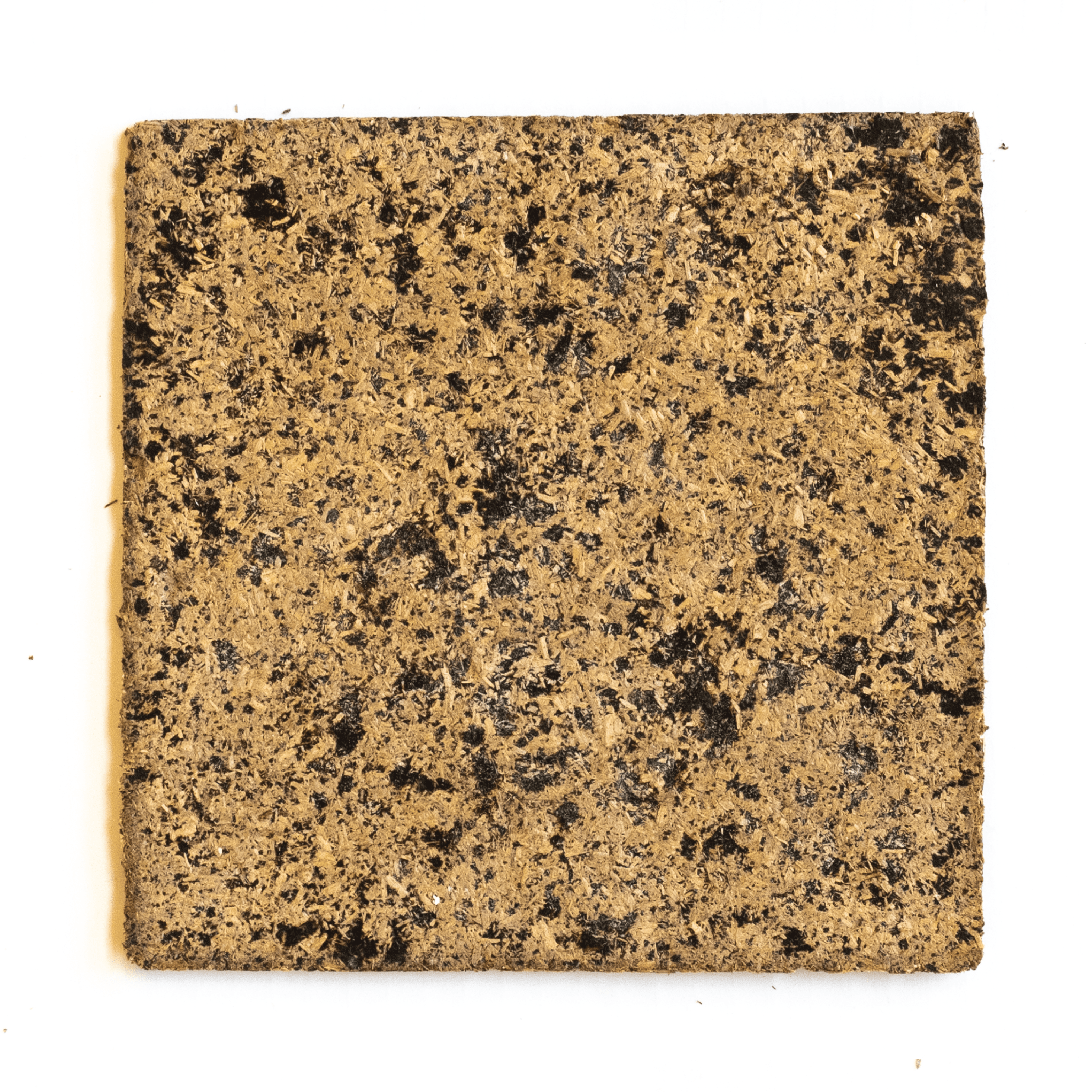
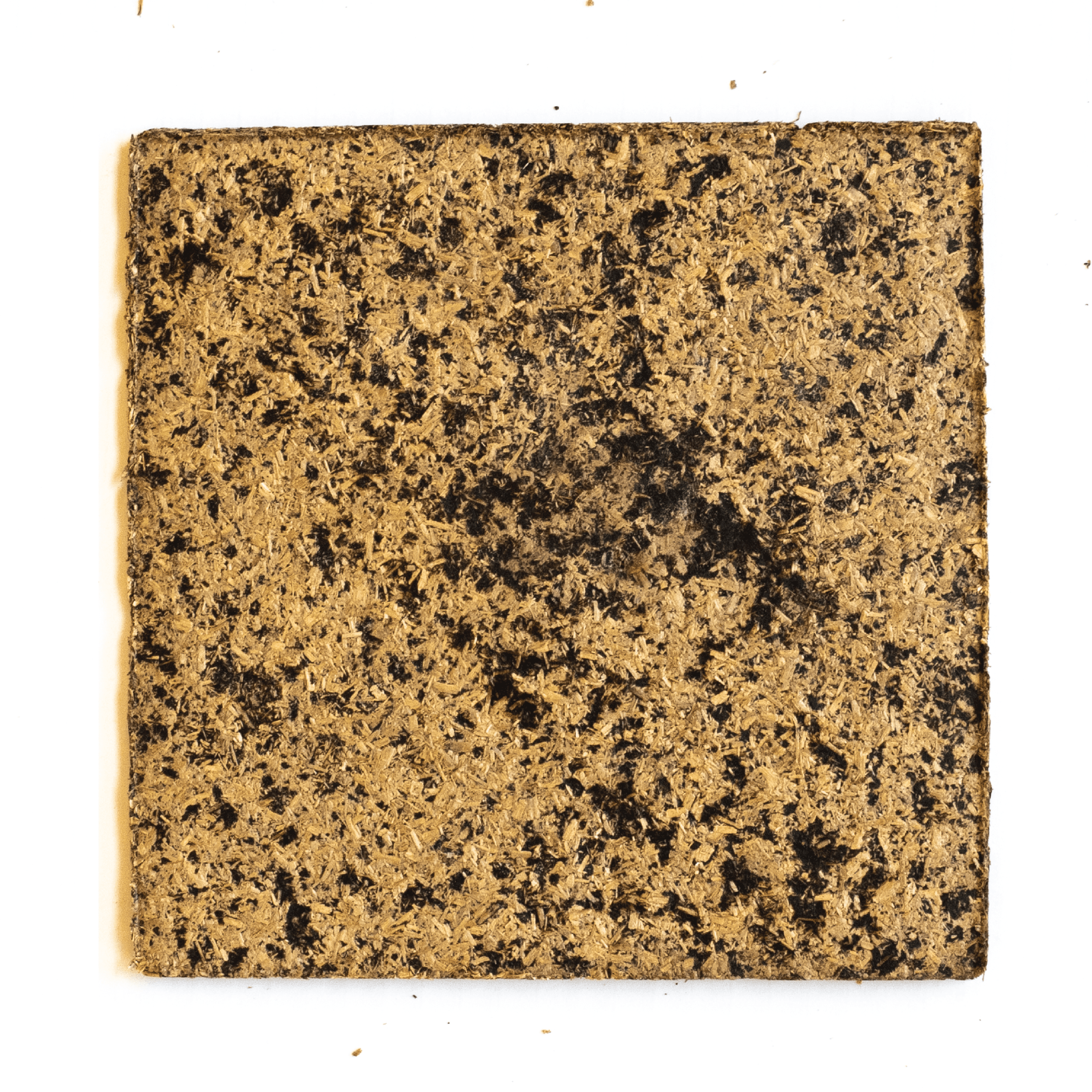
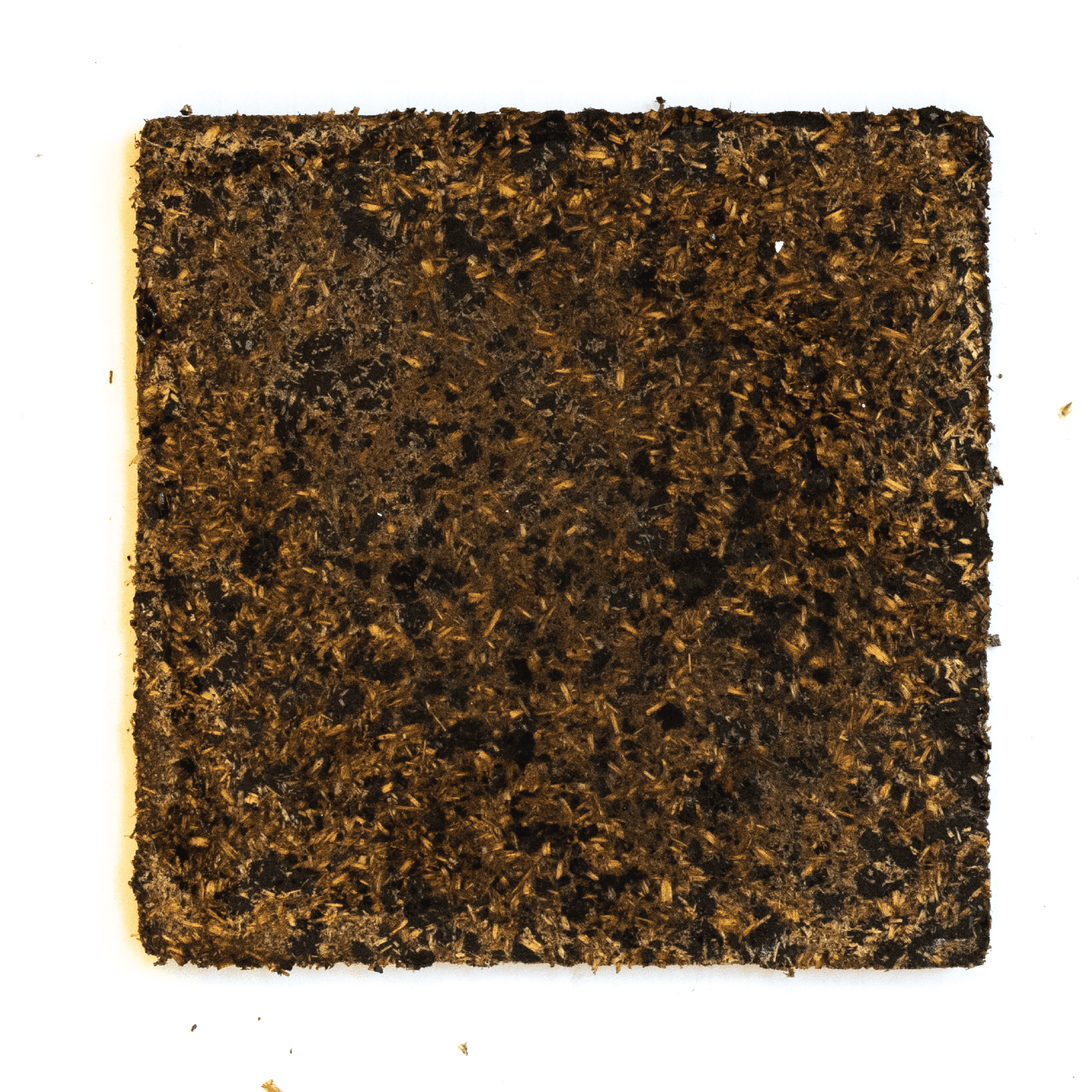
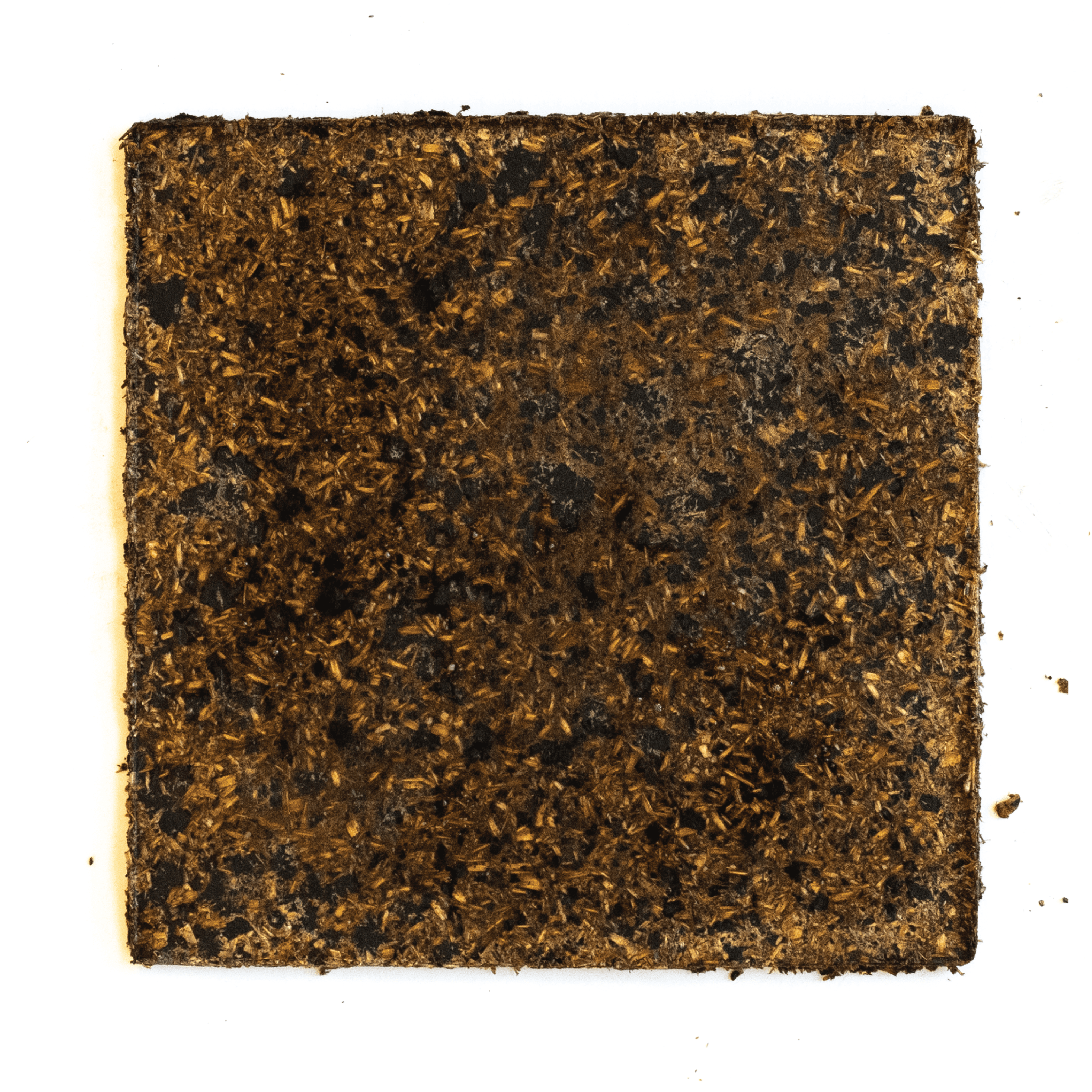
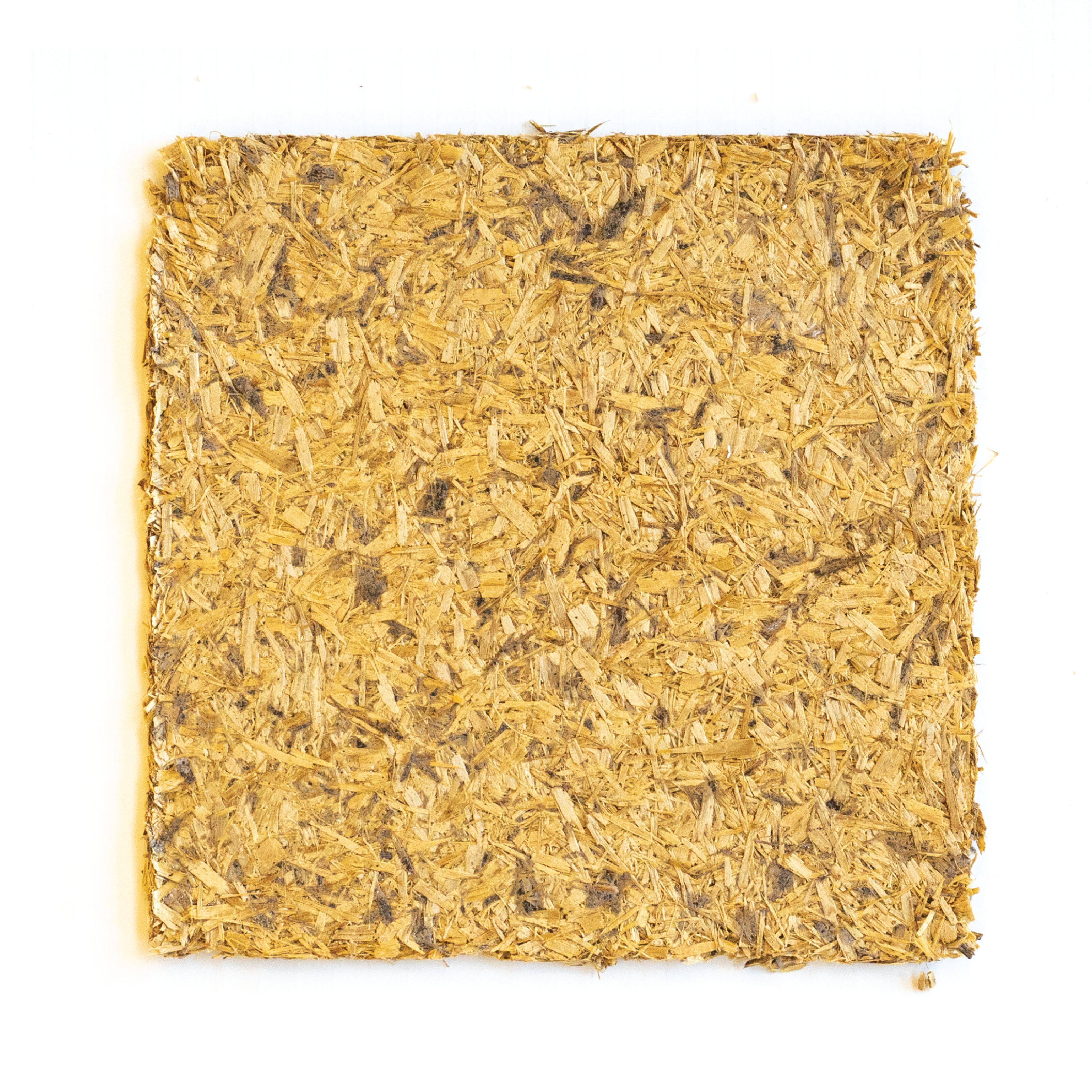
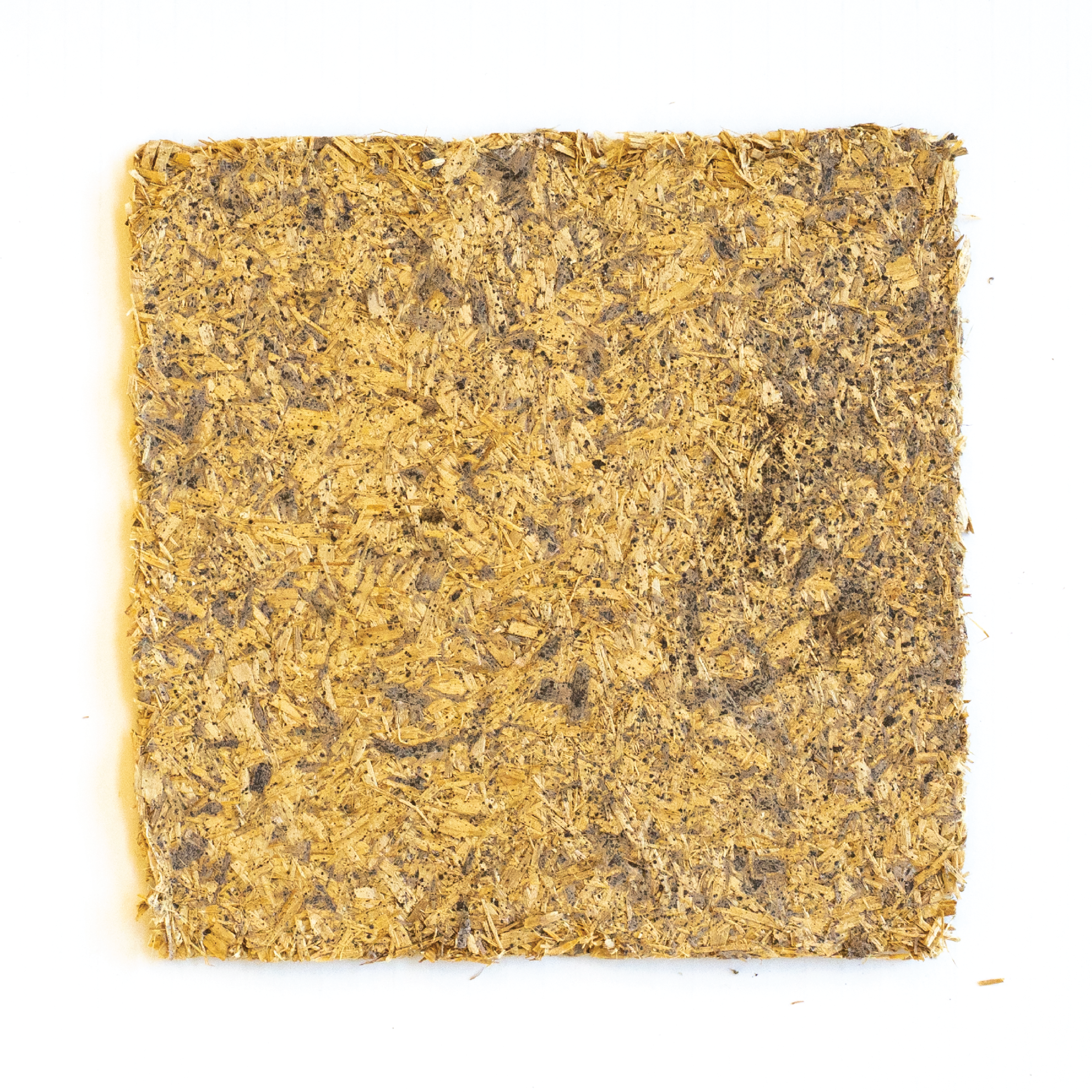
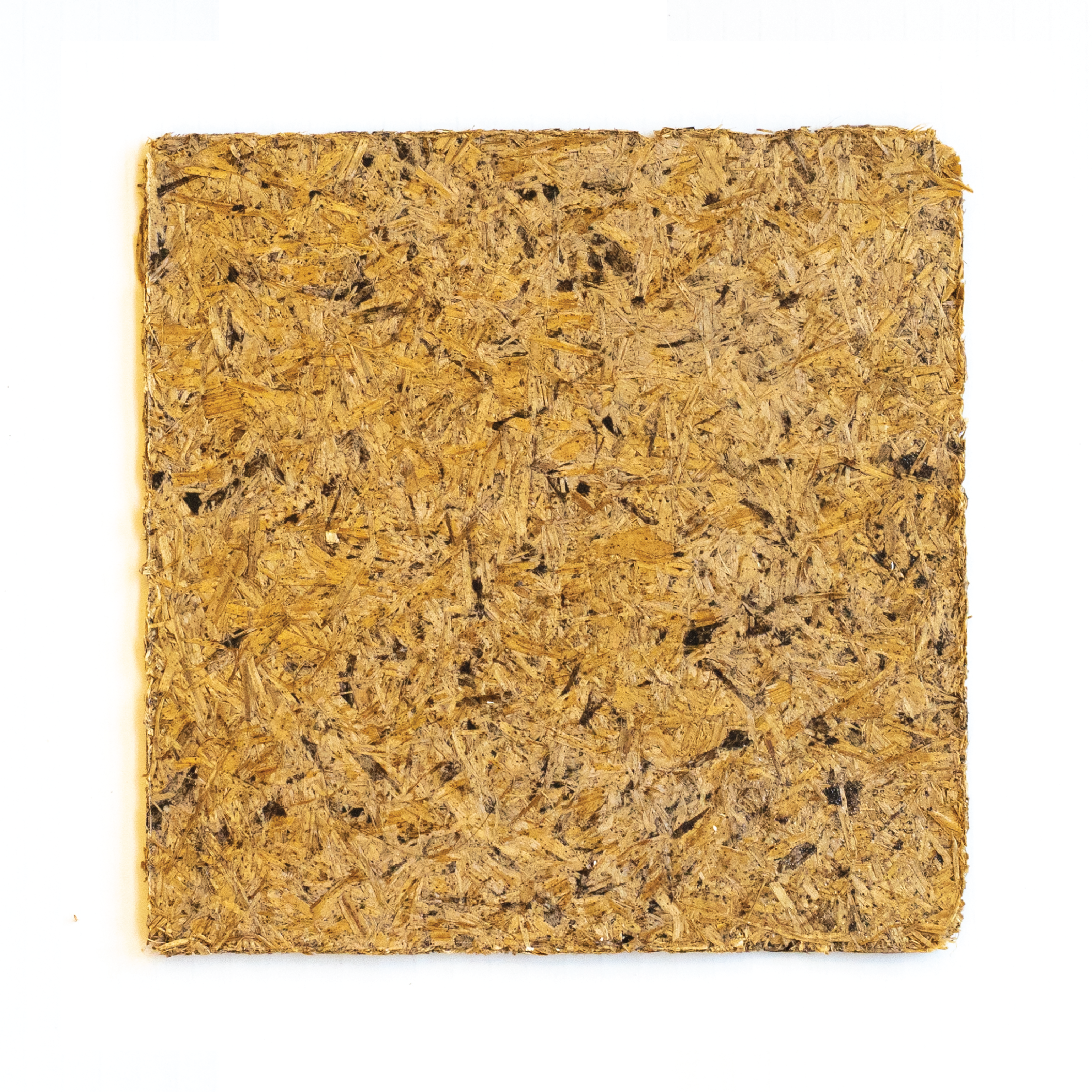
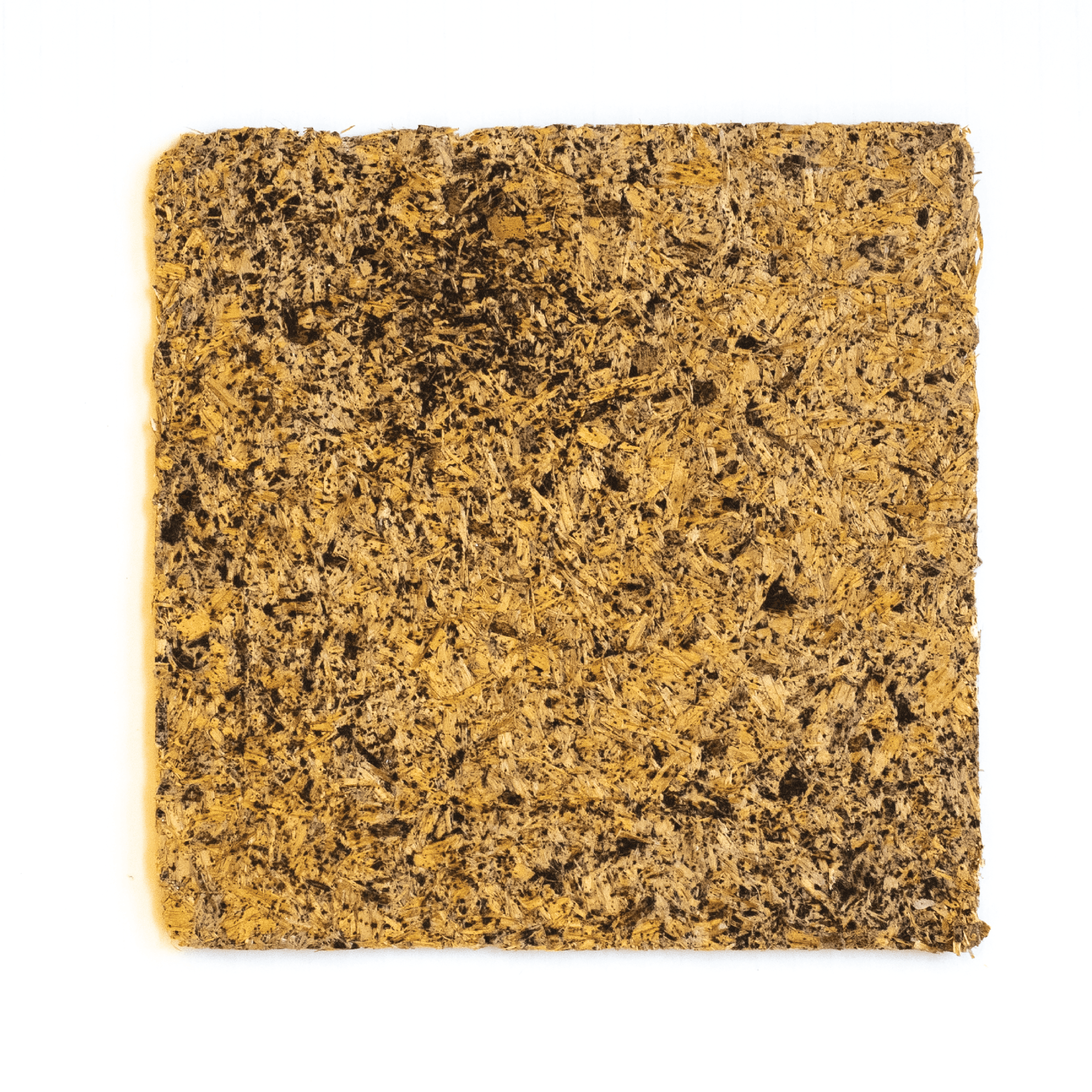
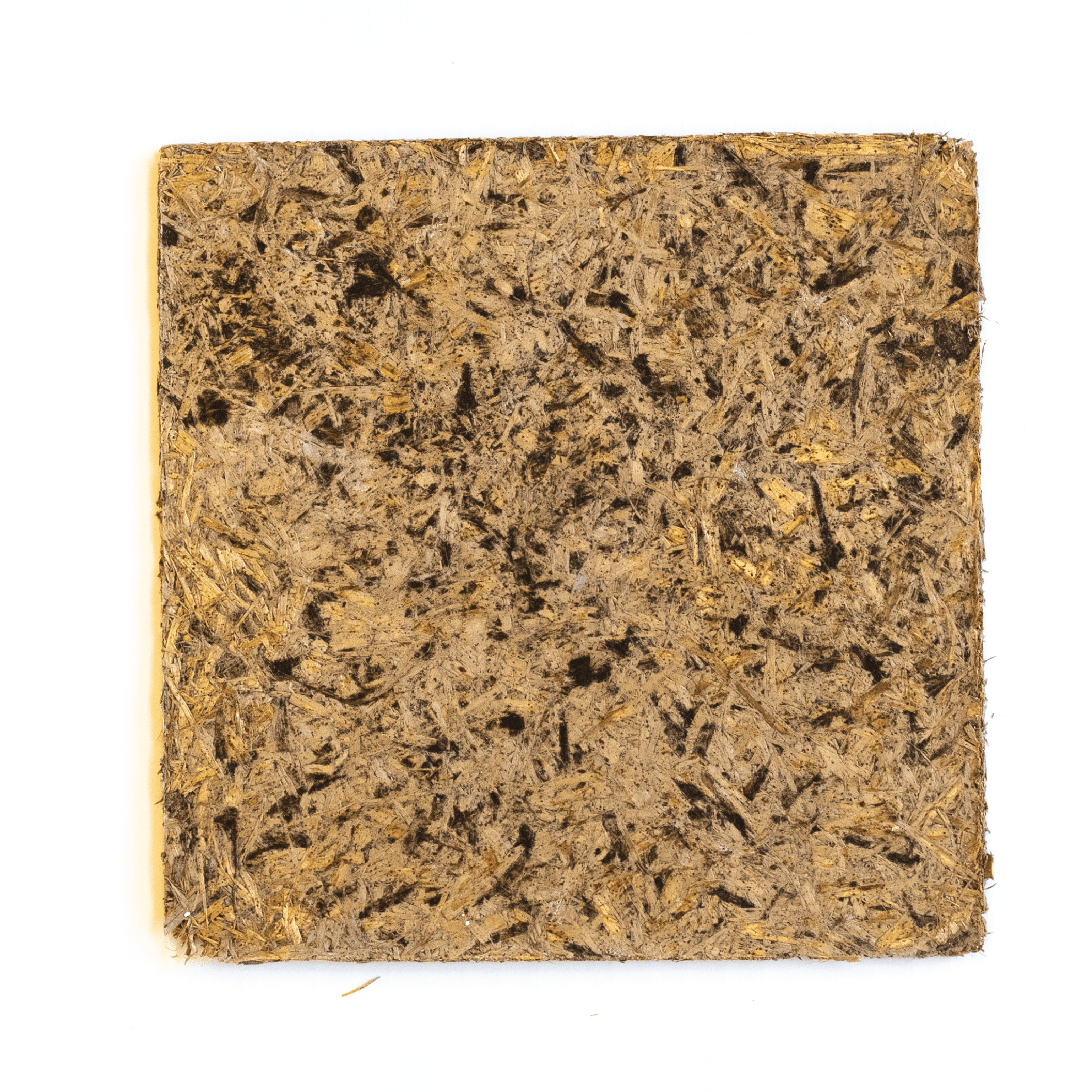
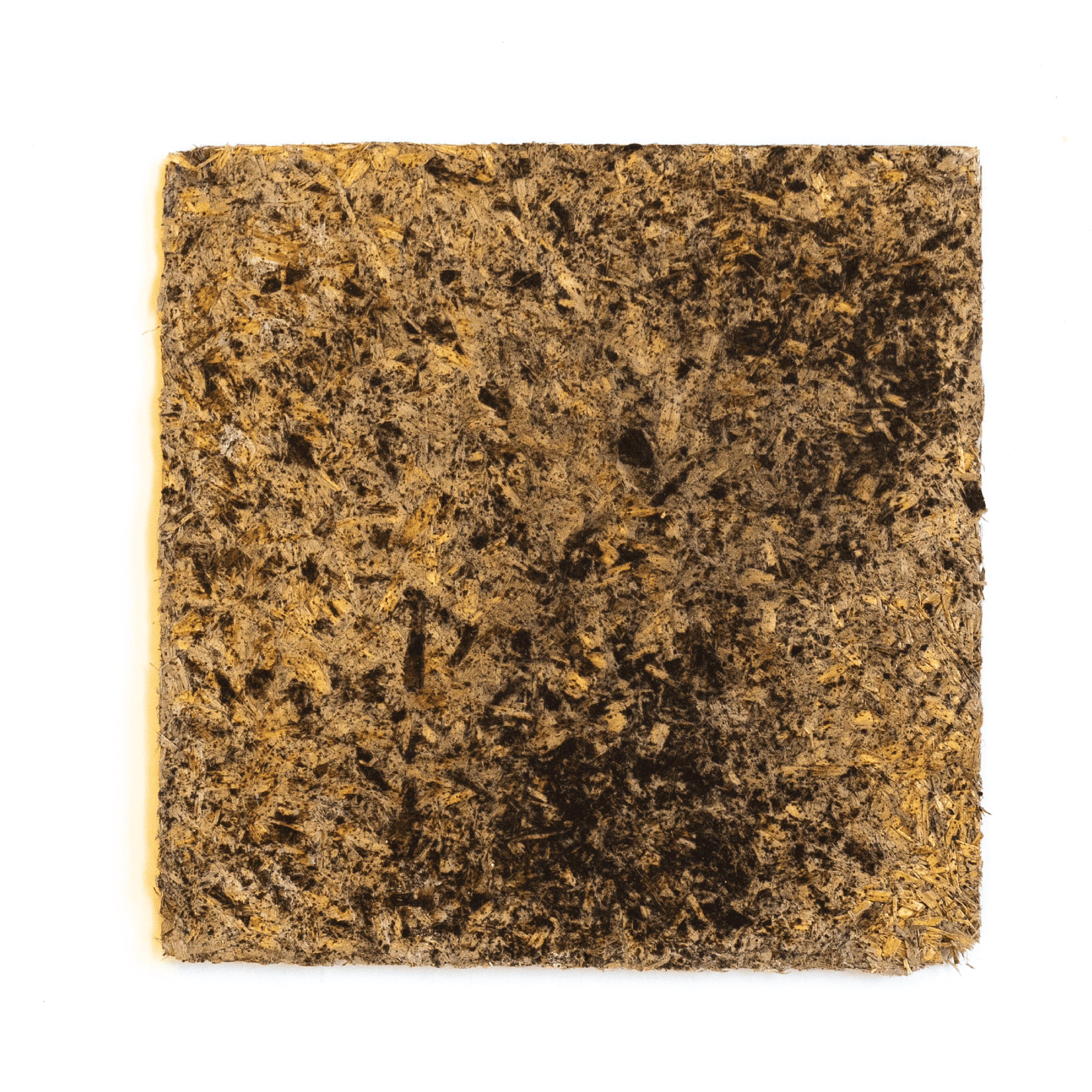
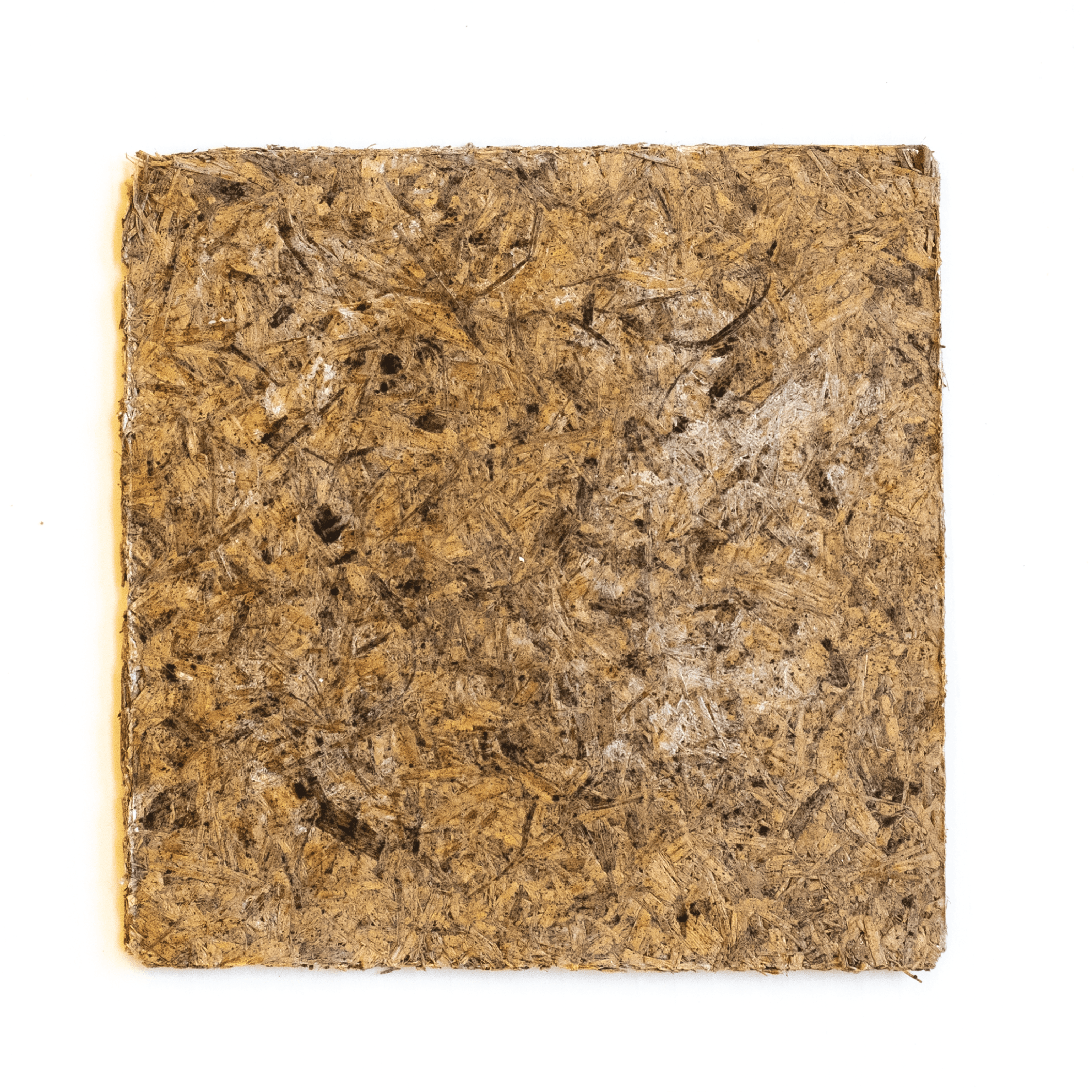
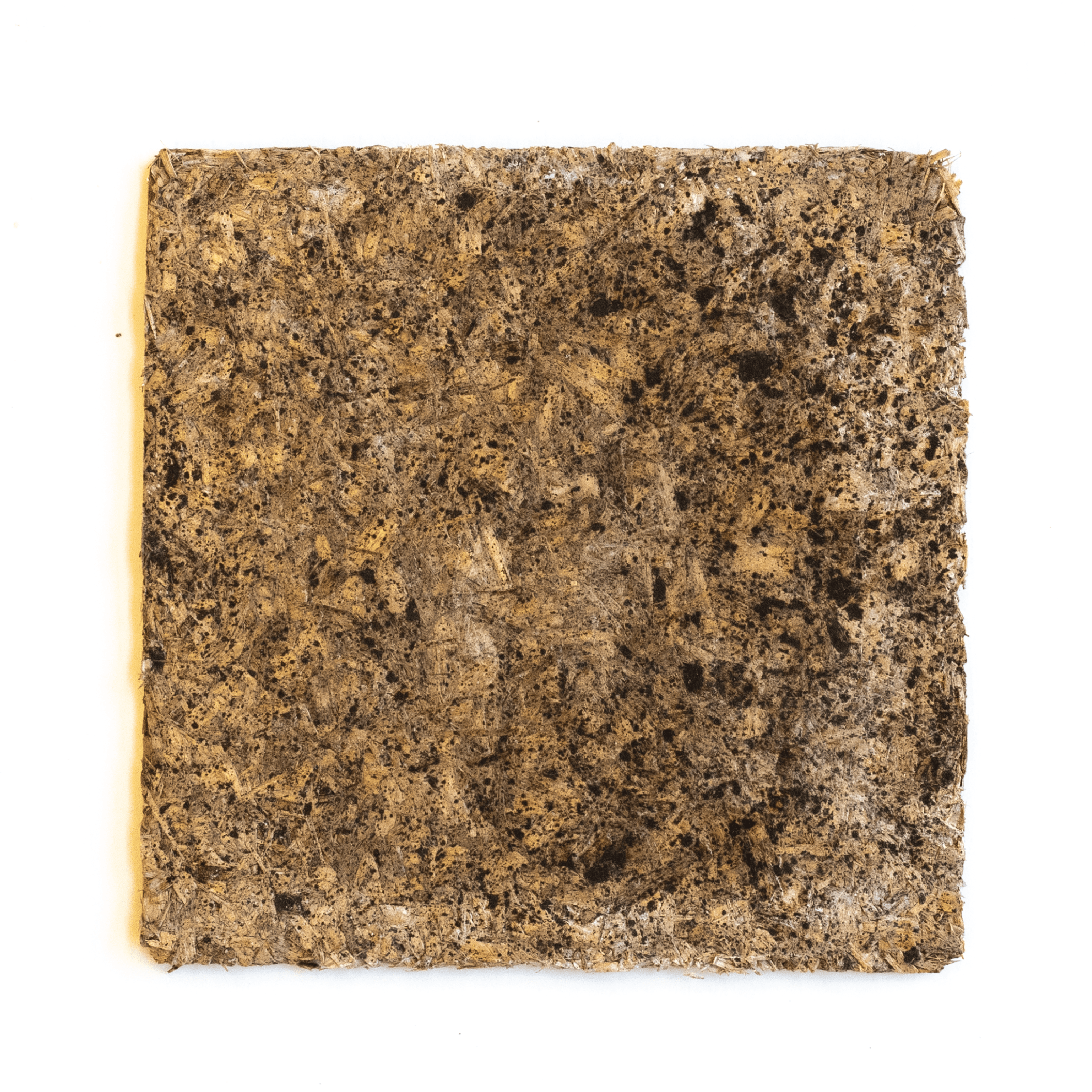
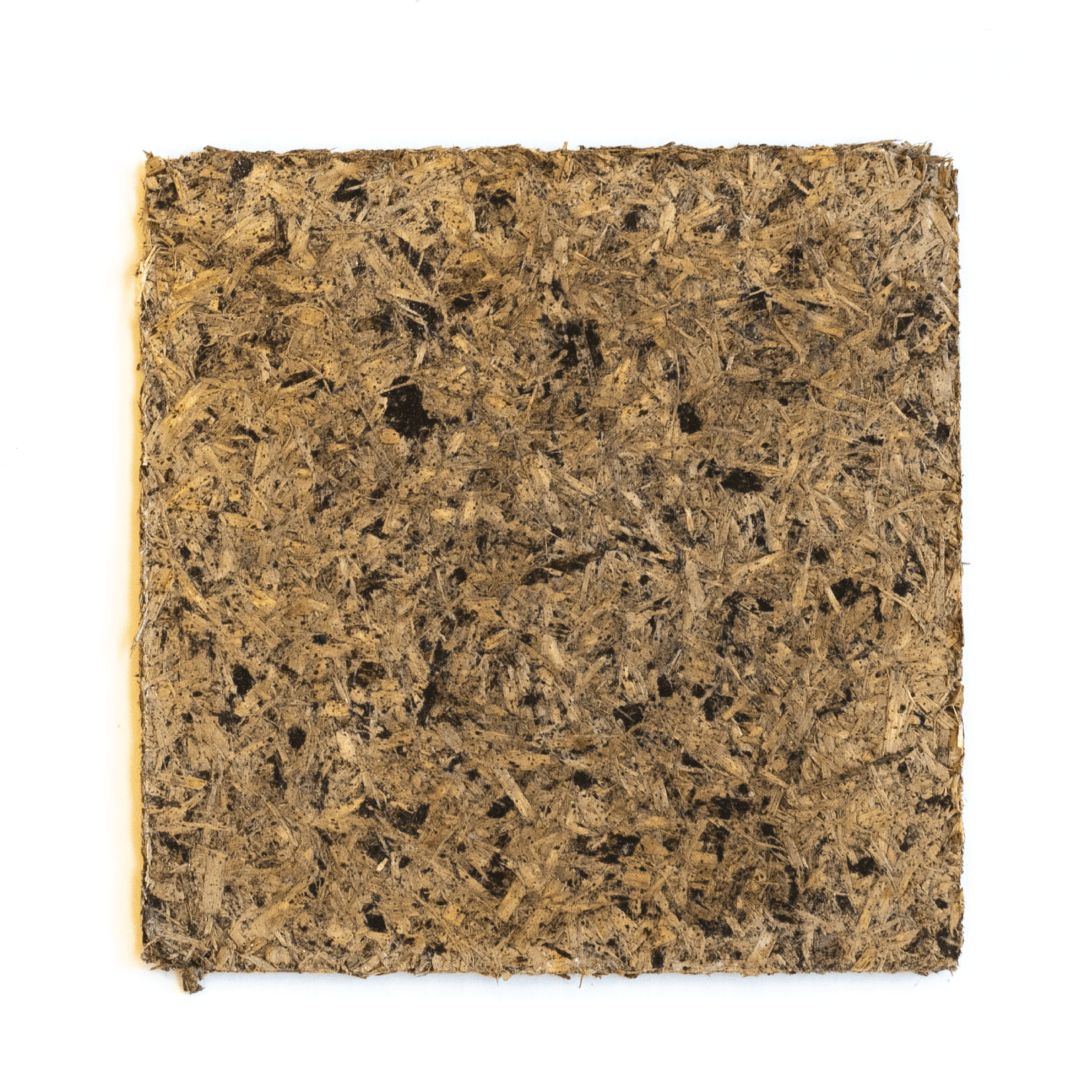
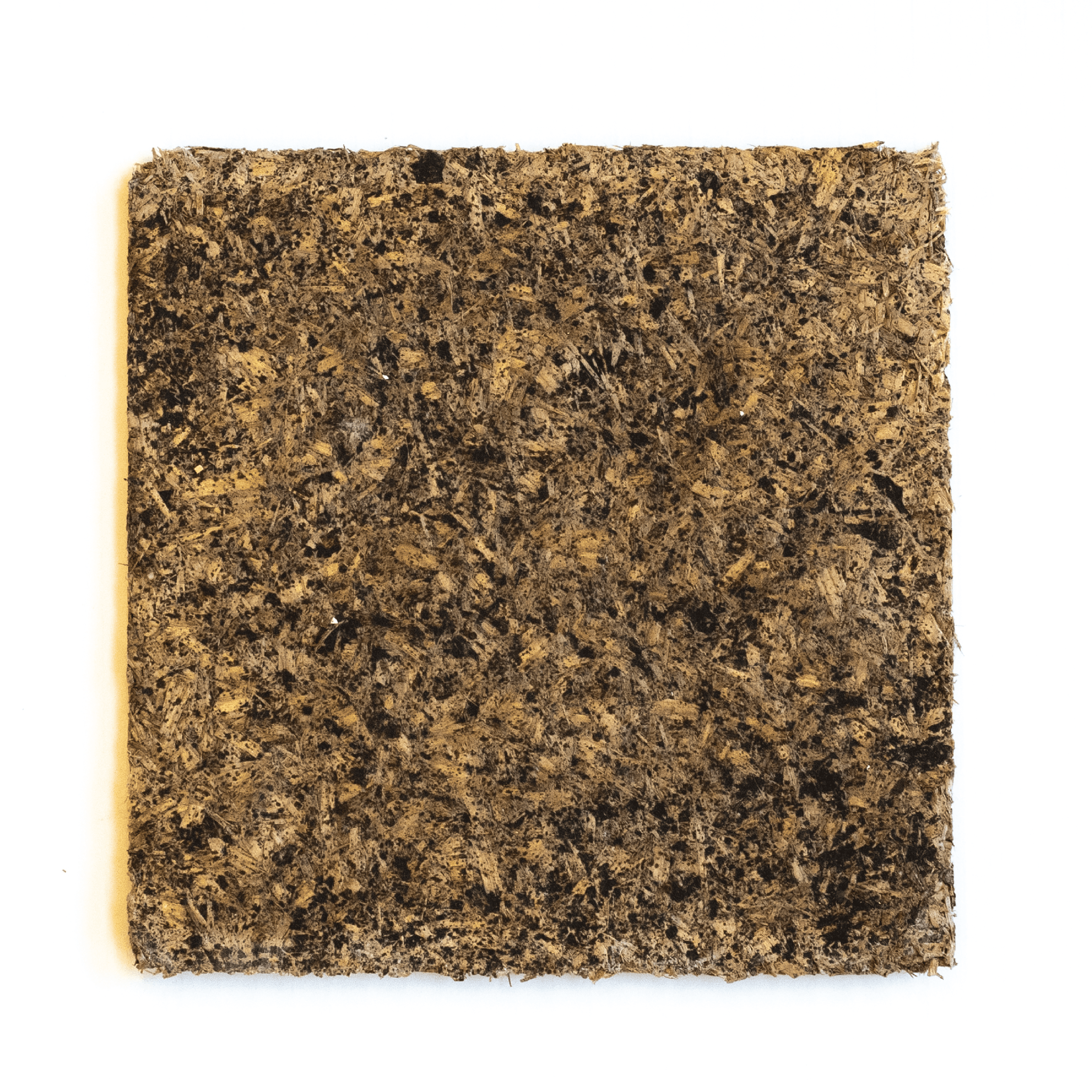
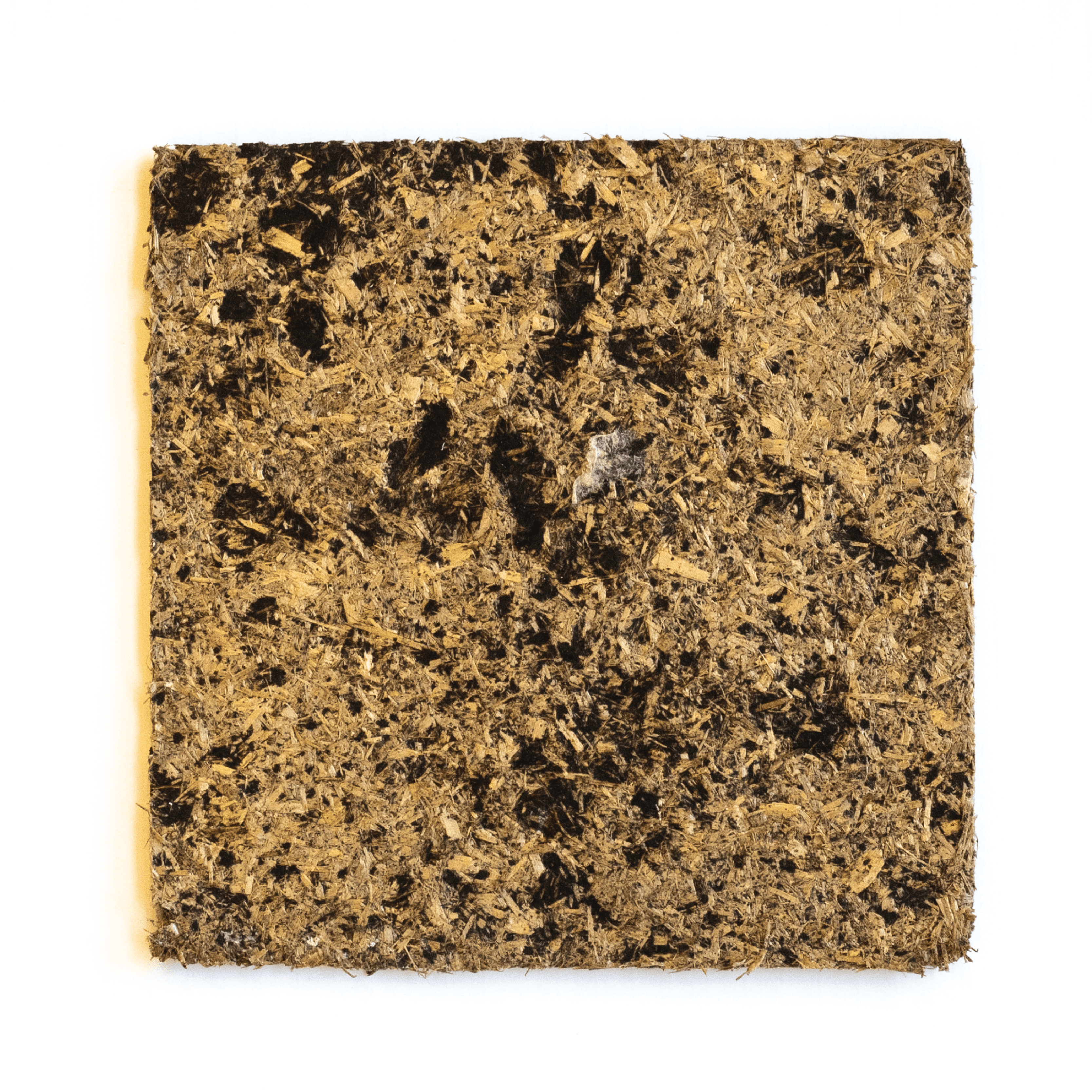
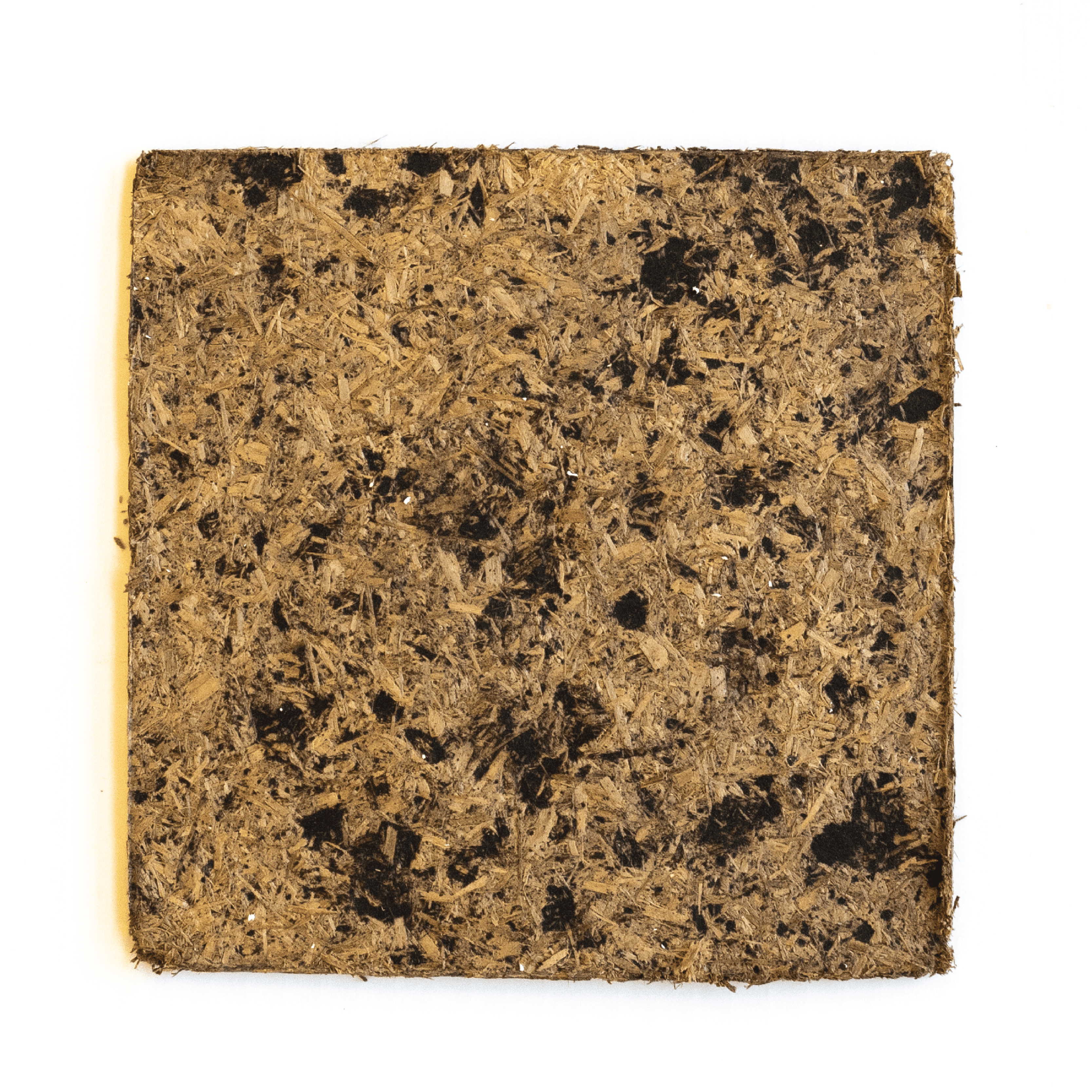
Fine and coarse wood-fibre composite specimens developed through controlled variation of material composition.
Research Thesis
Reversible Wood Composites
Developing lignin-based wood composites as a reversible material system for circular fabrication.
Liam Cassano
Research in progress
This page documents ongoing thesis research and is still being developed as material testing, analysis, and fabrication continue.
Material
Wood Fibre / Lignin
Fibre Size
Fine / Coarse
Fibre Mass
30 g
Lignin Content
5–40 g
Fabrication
Heated Pressing
Testing
ASTM-Based Testing
Acknowledgements
Nicholas Hoban
Brian Slocum, Mitchell Akiyama, Maria Yablonina, David Correa, Zachary Mollica, Safoura Zahedi, Vincent Hui, AnnaLisa Meyboom, Paul Howard Harrison
Anna Geng, Aylin Hasanova, Chidubem Nwokeocha, Julia Paulson, Talayeh Youssef Pour, Phina Tu, Prasham Shah, Jack Simon, Julia Song, Larissa Sonnenberg, Emily Sun, Sling Velasquez, Brian Wong, Ryan Yee
Christoph Klemm, Abby Prasad, Paul Piascik, Benjamin Kuttner and Mohini Sain
Rahul Sehijpaul, Paul Kozak, Alexander Gaskin, Amy George, Joseph Rogal, Eugene Wang
Annie Song, Zhenxiao Yang, Pablo Espial, Micha Fairfax-Angood, Ivan Makhno, Nicole Quesnelle, Yashara Abeysinghe, Sarah Mak, Sandy Nguyen, Lui Sanchez-Ma, Oscar Young Kait Ma, Aaron Di Giacomo
My Parents :)
Contents
01Material System
02Research Framework
03Context + Waste Stream
04Proposed Workflow
05Extraction Process
06Material Exploration
07Material Behaviour
08Mold Development
09Composite Development
10Material Testing
11Findings + Reversibility
12Outlook
01Material System
03Context + Waste Stream
05Extraction Process
07Material Behaviour
09Composite Development
11Findings + Reversibility
02Research Framework
04Proposed Workflow
06Material Exploration
08Mold Development
10Material Testing
12Outlook
01
Material
System
Lignin is the natural binding matrix within wood, holding cellulose fibres together while contributing rigidity and compressive strength.
Wood is composed primarily of cellulose, hemicellulose, and lignin. Cellulose forms the long structural fibres, while hemicellulose surrounds these fibres and contributes to the organization and moisture behaviour of the cell wall.
Lignin occupies the spaces between these components and forms the continuous matrix that binds the wood structure together. When isolated, it can soften under heat and resolidify during cooling, creating the basis for a reprocessable material system.
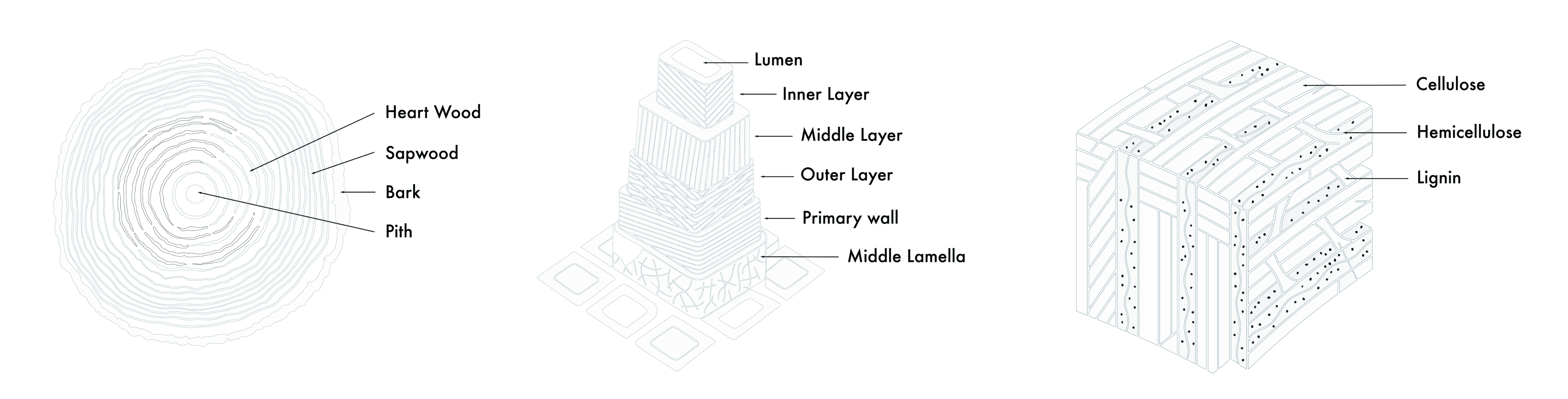
Wood structure across interconnected scales, from the larger organization of the tree to the cell wall and the cellulose, hemicellulose, and lignin matrix.
02
Research
Framework
The research investigates lignin as a thermally reprocessable binder, connecting material behaviour, composite performance, and the potential for repeated fabrication.
01
How does lignin recovered from SPF construction offcuts behave during thermal softening and cooling, and what conditions allow it to transition between solid and mouldable states?
02
How can lignin’s thermoplastic behaviour be used to produce components that can be shaped, reshaped, and reused?
03
How can changes in lignin content and material composition control processing behaviour and mechanical performance across repeated thermal cycles?
03
Context +
Waste Stream
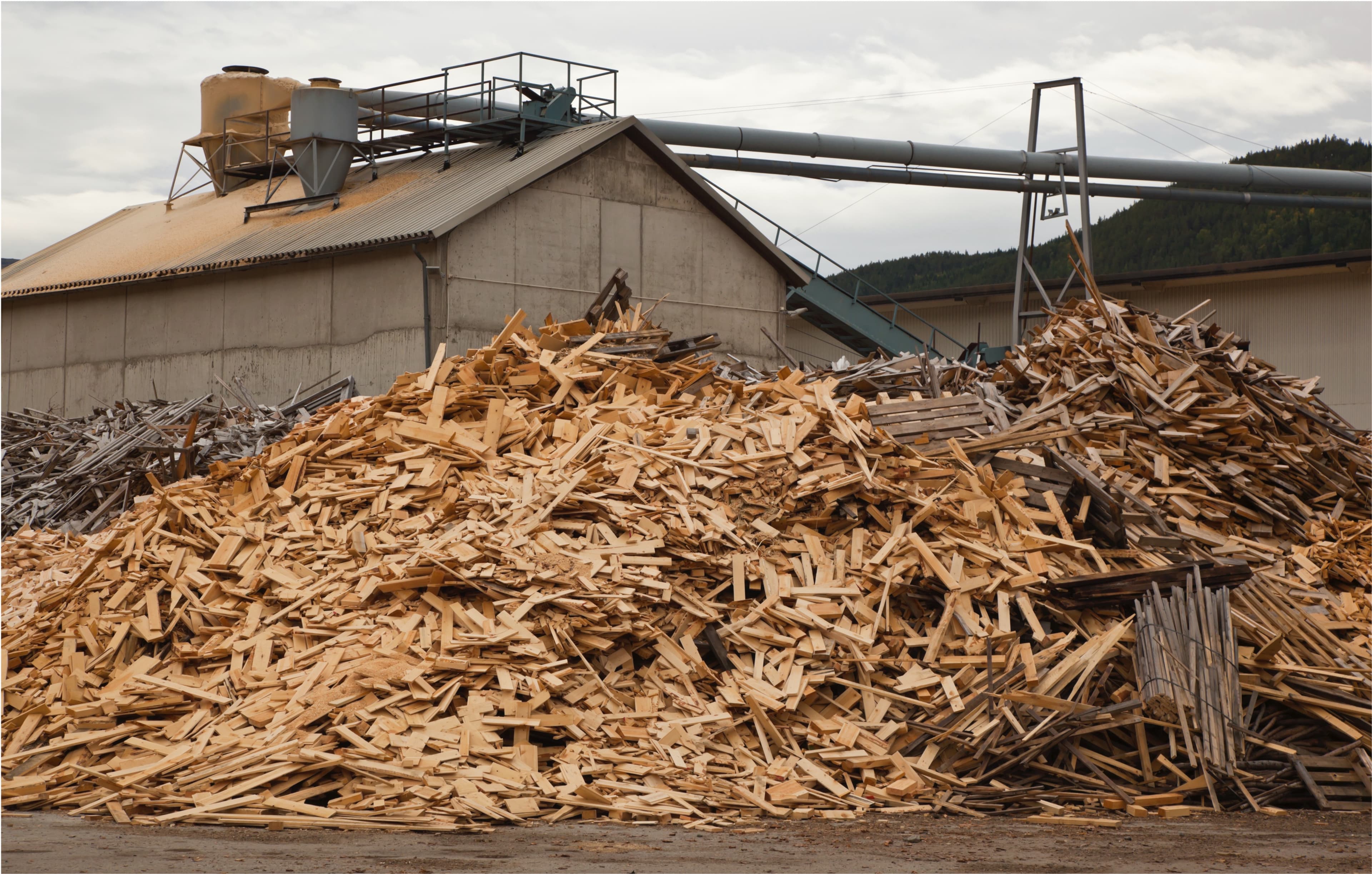
Construction produces clean wood offcuts that retain significant material value but are commonly treated as waste.
SPF lumber is widely used in Canadian residential framing. Cutting standardized members to fit produces short and irregular pieces that are difficult to return directly to conventional construction, despite retaining usable wood fibre.
25–30%
of project waste can consist of wood.
Thesis literature review
10–15%
of construction lumber can become waste during building.
Thesis literature review
~65B
board feet of SPF dimensional lumber are used annually across U.S. and Canadian residential construction.
Thesis literature review
Material Opportunity
Rather than treating these offcuts as an endpoint, this research redirects SPF construction waste into a new material cycle.
The waste material is mechanically reduced into controlled fibre sizes and recombined with lignin, shifting dimensional-lumber waste toward a reversible wood-fibre composite system.
04
Proposed
Workflow
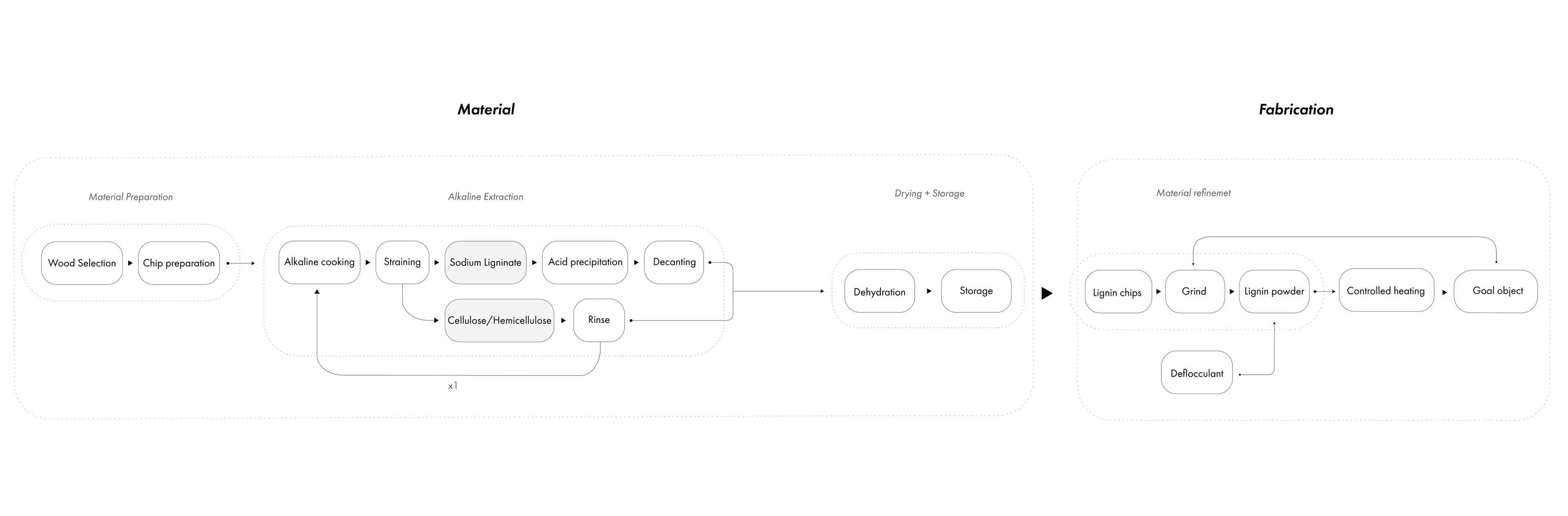
The workflow links material extraction to fabrication through a reversible process that enables wood-derived material to be continually reprocessed.
This initial phase moves away from synthetic binders, focusing on lignin-based mixtures and the relationship between material composition, processing, and mechanical performance.
Fabricated parts are treated as temporary material states rather than final objects, allowing lignin and wood fibre to be recovered, refined, and returned to the fabrication cycle.
05
Extraction
Process
A simplified alkaline pulping process separates lignin from cellulose-rich wood fibre so each fraction can be recovered and reintroduced into material development.
Thin wood chips are heated in water and sodium hydroxide. Under alkaline conditions, lignin dissolves into the cooking liquid while the cellulose-rich fibres remain solid and can be separated through straining.
The remaining black liquor is acidified to precipitate the dissolved lignin. The recovered material is then settled, decanted, dehydrated, and stored as a dry solid for later heating and composite fabrication.
01
Chip Preparation
Wood is reduced to thin chips to increase surface area and allow consistent alkaline penetration.
02
Alkaline Cooking
Heat and sodium hydroxide dissolve the lignin fraction into the cooking liquid.
03
Precipitation
The black liquor is acidified so dissolved lignin returns to an insoluble solid state.
04
Dehydration
Recovered lignin is settled, dried at low temperature, weighed, and stored.
Standard Extraction Condition
Chip Thickness
1 mm
Cook Time
80 min
NaOH
24 g
Water
1650 ml
Settling
8 hr
Drying
50–60°C
06
Material
Exploration
A standardized extraction method made it possible to compare lignin recovery across different wood species under identical processing conditions.
Softwoods generally produced higher lignin yields than the hardwood samples. Douglas Fir established the highest recovery within the comparison and became a benchmark for evaluating the remaining species.
01
Douglas Fir
Highest average recovery
10.8%
02
Pine
High-yield softwood
7.5%
03
Spruce
Moderate recovery
6.1%
04
Western Red Cedar
Moderate-to-low recovery
4.7%
05
Ash
Low-yield hardwood
3.6%
06
Basswood
Low-lignin control
3.2%
SPF Waste Feedstock
Mixed SPF framing lumber produced strong and repeatable lignin recovery, directly linking the laboratory extraction process to the construction waste stream.
11.3%
average first-cycle lignin recovery by mass.
4.9%
additional average recovery during a second extraction.
16.2%
combined average recovery across two extraction cycles.
07
Material
Behaviour
Once isolated, SPF-derived lignin could be heated, softened, formed, cooled, and reheated, confirming the reversible phase behaviour central to the material system.
Thermal Activation
~80°C
A working temperature of approximately 80°C produced a consistent phase transition, allowing the material to soften and become workable before resolidifying as it cooled.
Setting Time
1–12 hr
Tensile performance increased as setting time increased, showing that post-forming consolidation remained an active variable in the development of material strength.
Reprocessing
Repeat
Reheated and recast samples showed minimal variation in mechanical performance across repeated processing cycles, supporting a circular rather than single-use material model.
08
Mold
Development
Mold development shifted from passive casting toward active forming, using heat, pressure, and flexible interfaces to improve consolidation and repeatability.
01
Horizontal Casting
Initial horizontal molds were easy to fill but produced pitting, uneven surfaces, and incomplete consolidation.
02
Vertical + TPU
Vertical casting and flexible TPU improved demolding but introduced voids, uneven curing, and progressive mold deformation.
03
Compression Forming
The process returned to horizontal forming with intentional over-pour and hydraulic compression to increase density and reduce internal defects.
04
Silicone Hybrid
The final system combined rigid alignment and heat-distribution components with a silicone interface for accurate geometry and repeatable demolding.
09
Composite
Development
Reintroducing wood fibre transformed isolated lignin from a self-binding material into a tunable fibre-reinforced composite system.
Baseline tests showed that heat and pressure alone could temporarily consolidate wood fibre but could not maintain stable geometry. Without a binder, the compressed material either sprang back or became brittle.
Lignin was therefore introduced as the binding phase. Material development focused on how fibre geometry and lignin concentration interact during pressing, consolidation, and failure.
Fine Fibre
0–4 mm
Dense packing and high surface area produced uniform mixtures and consistent binder distribution.
Coarse Fibre
4–10 mm
Longer fibres introduced mechanical interlocking and more continuous reinforcement paths through the composite.
Very Coarse
10+ mm
Long hand-planed shavings retained directional grain structure and increased internal bridging.
Comparative Series
Fine and coarse fibre samples were produced across an increasing lignin series from 5 to 40, allowing composition and fibre geometry to be evaluated independently.
10
Material
Testing
Mechanical testing evaluated the composite across tensile, internal bond, and flexural loading to connect material composition with strength, cohesion, and structural response.
ASTM D638 Inspired
Tensile
Dogbone specimens measured localized tensile strength, elongation, and fracture behaviour while comparing the effect of fibre size and lignin concentration.
ASTM D1037 Inspired
Internal Bond
Approximately 43 × 43 mm specimens measured cohesion through the thickness of the panel and the effectiveness of internal binder distribution.
ASTM D790 Inspired
Three-Point Bend
Rectangular specimens evaluated stiffness, brittleness, and resistance to bending under combined compression and tension.
Performance Trend
Performance increased as sufficient lignin stabilized the fibre network, but excessive binder shifted the material toward increasingly brittle behaviour.
Fine Fibre
Strongest balance around 15–25%
Fine fibres packed densely and allowed lignin to distribute uniformly, producing strong internal cohesion at intermediate binder concentrations.
Coarse Fibre
Tensile peak around 25–30%
Longer fibres required more binder but created stronger reinforcement paths and maintained tensile performance at higher lignin concentrations.
11
Findings +
Reversibility
The strongest composites emerged from a balance between fibre reinforcement and lignin content rather than from maximizing the amount of binder.
Fine fibres improved uniformity and internal cohesion, while coarse fibres created longer reinforcement paths and stronger mechanical interlocking. In both cases, insufficient lignin produced weak consolidation and excessive lignin increased brittleness.
The results establish fibre size and binder ratio as tunable parameters rather than a single fixed recipe, creating a material system capable of being adjusted for different performance requirements.
Material Recovery
Tested composites could be fragmented, reheated, and re-pressed into new specimens while retaining useful structural behaviour.
During reheating, lignin softened again and allowed the fragmented composite to recombine. Some binder was lost through handling and adhesion to tooling, yet reprocessed samples maintained mechanical behaviour relatively close to the original material.
01
Fragment
Tested or failed material is mechanically reduced.
02
Reheat
The lignin matrix softens and returns the composite to a workable state.
03
Reform
Material is returned to the mold and consolidated through heat and pressure.
12
Outlook
The research positions lignin-based composites as an evolving material system in which waste, fabrication, performance, and reuse can operate within the same cycle.
01
Fibre Hierarchy
Layered reinforcement, directional alignment, and hybrid distributions of fine and coarse fibres could tune density, flexibility, and cohesion within a single component.
02
Process Control
Further control of press temperature, dwell time, pressure distribution, and cooling rate could improve repeatability and reduce brittle behaviour.
03
Closed-Loop Fabrication
Offcuts, failed components, and temporary assemblies could be fragmented and returned directly to future material cycles rather than discarded.
04
Digital Fabrication
The thermoplastic behaviour of lignin creates future opportunities for extrusion-based forming and robotic fabrication workflows using reprocessable composite material.
Rather than treating fabricated objects as final material states, the system frames them as temporary configurations within a continuous cycle of extraction, forming, use, recovery, and re-fabrication.