Site under construction — check back daily for updates
Fabrication Tooling
Custom Wood Steamer Cart
A mobile steam-conditioning system developed to prepare timber for full-scale bending experiments.
Type
Fabrication Tool
Application
Timber Steam Bending
Course
ARC380
Year
2024
Collaborators
Liam Cassano
Micha Fairfax-Angood
01
Tool Assembly
The steamer combines the chamber, steam source, drainage, temperature monitoring, and mobile cart into a single workshop tool.
Scroll through the assembly to reveal the relationship between the chamber enclosure, internal steam distribution, supply plumbing, condensate collection, and supporting cart.
02
Design Problem
The chamber needed to condition full-scale timber while maintaining heat, distributing steam along the workpiece, and managing the condensation produced during operation.
The system was sized around timber members approximately four and a half feet long, with an operating target near 100°C. Insulation and steam delivery therefore had to be considered alongside loading access and material clearance.
The equipment also needed to move with the larger fabrication workflow. The chamber, generator, drainage, monitoring, and storage were organized onto one cart rather than being distributed across separate temporary setups.
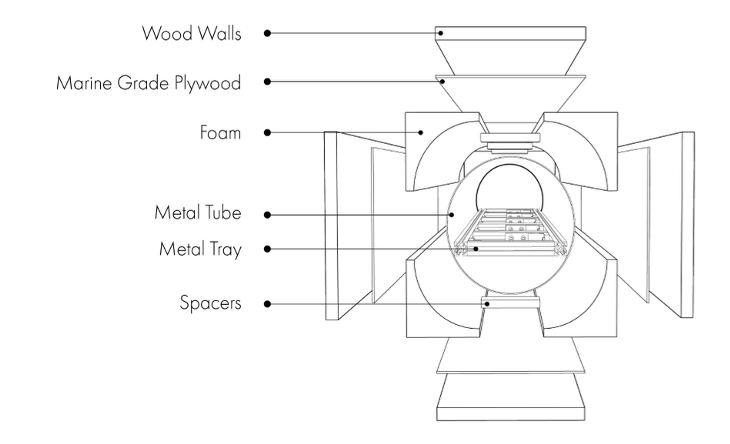
Exploded chamber material assembly
03
Chamber Construction
The chamber uses a layered enclosure to retain heat while separating the timber structure from the wettest parts of the steaming process.
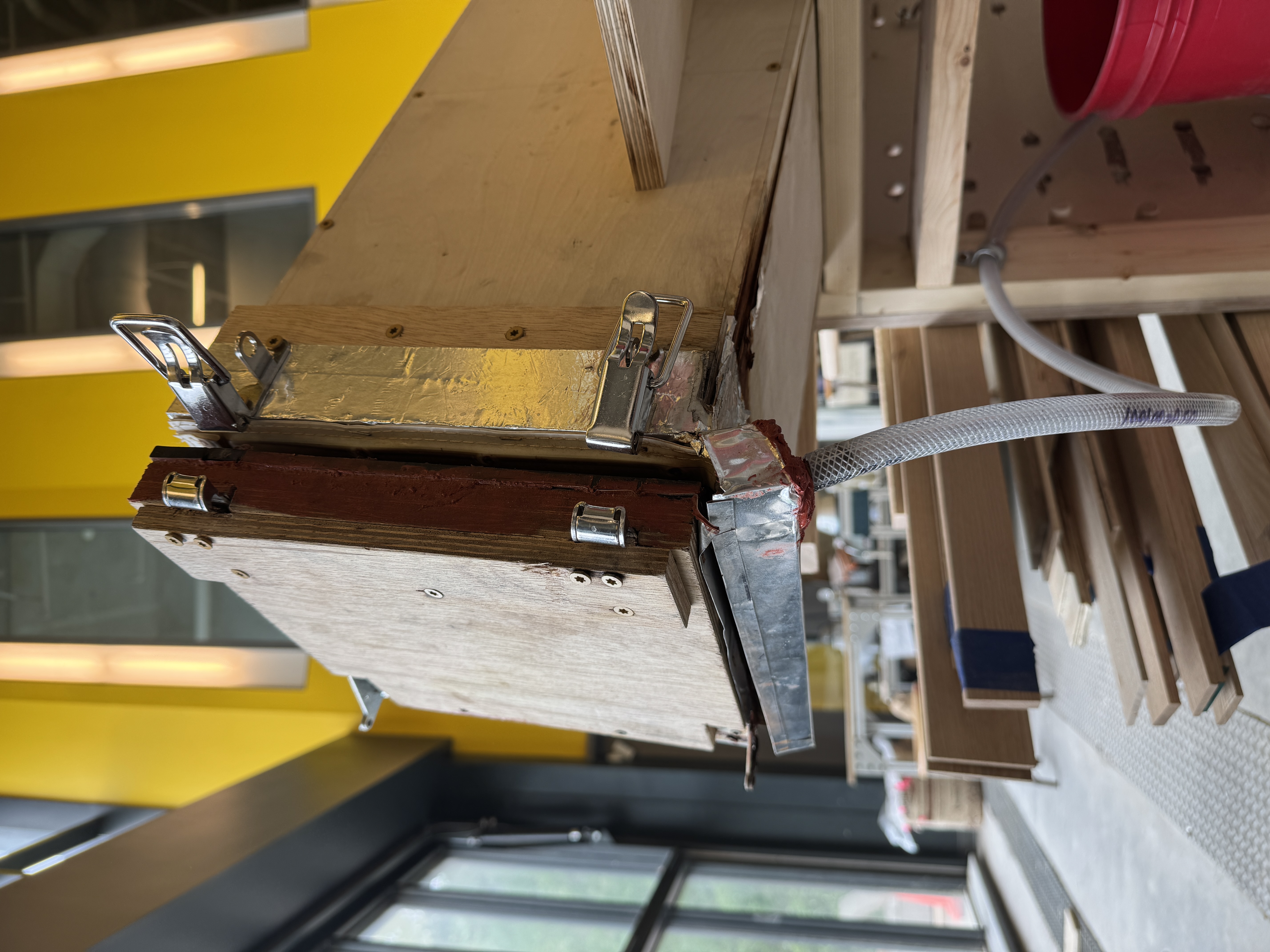
Wood walls and marine-grade plywood form the chamber enclosure around a foam insulation layer. The door is held shut with a mechanical latch while remaining accessible for loading and unloading timber.
Inside the chamber, a metal steam tube runs along the enclosure, with spacers supporting the workpiece above the lower metal tray. This keeps the timber clear of collected water while leaving space for steam to circulate.
04
Steam Delivery + Condensation
Steam enters the chamber through insulated plumbing while a separate drainage path manages the water produced as the vapour condenses.
A plastic steamer supplies vapour through an insulated pipe connected to the chamber. The pipe insulation reduces heat loss between the steam source and the internal distribution tube.
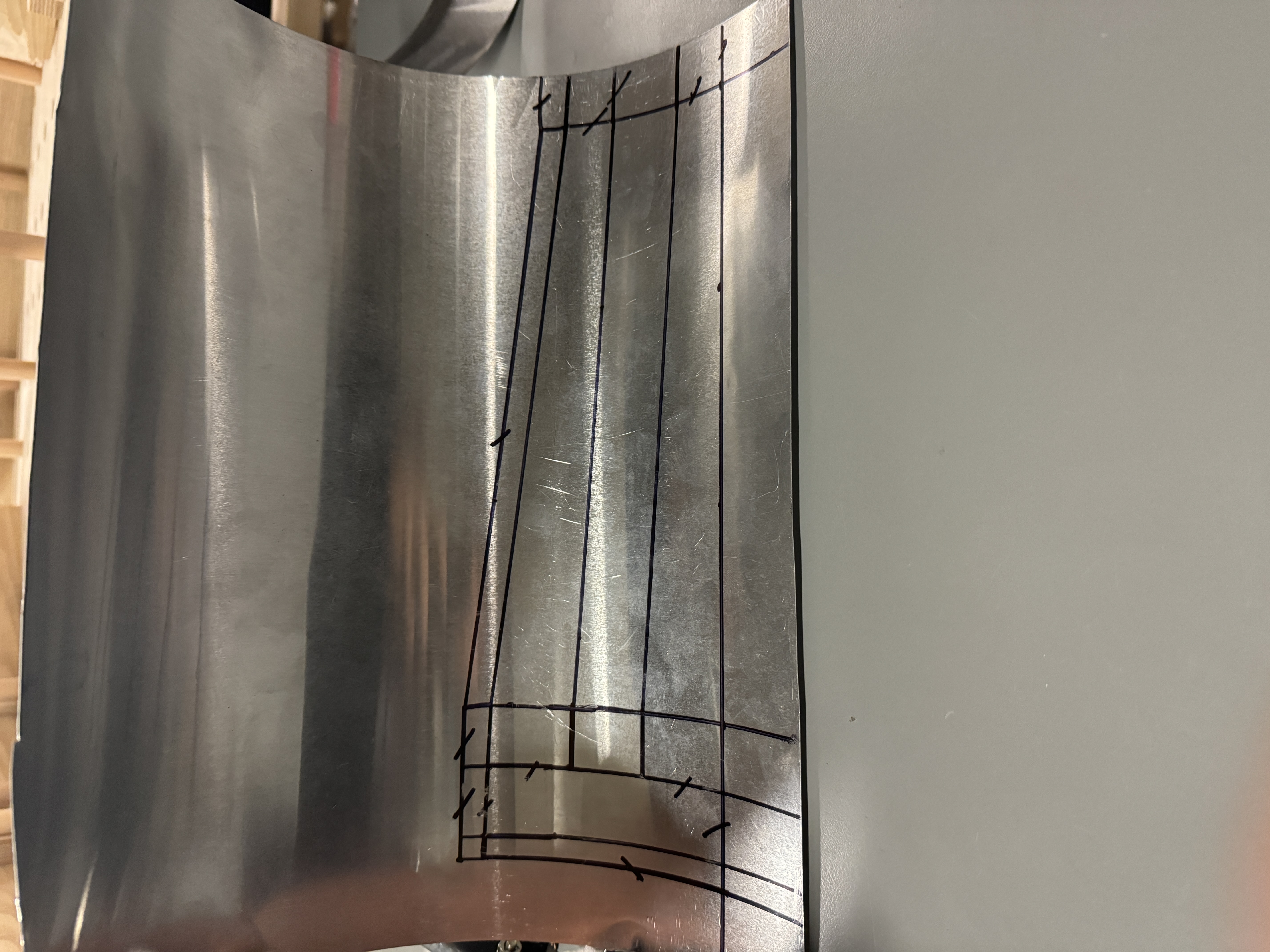
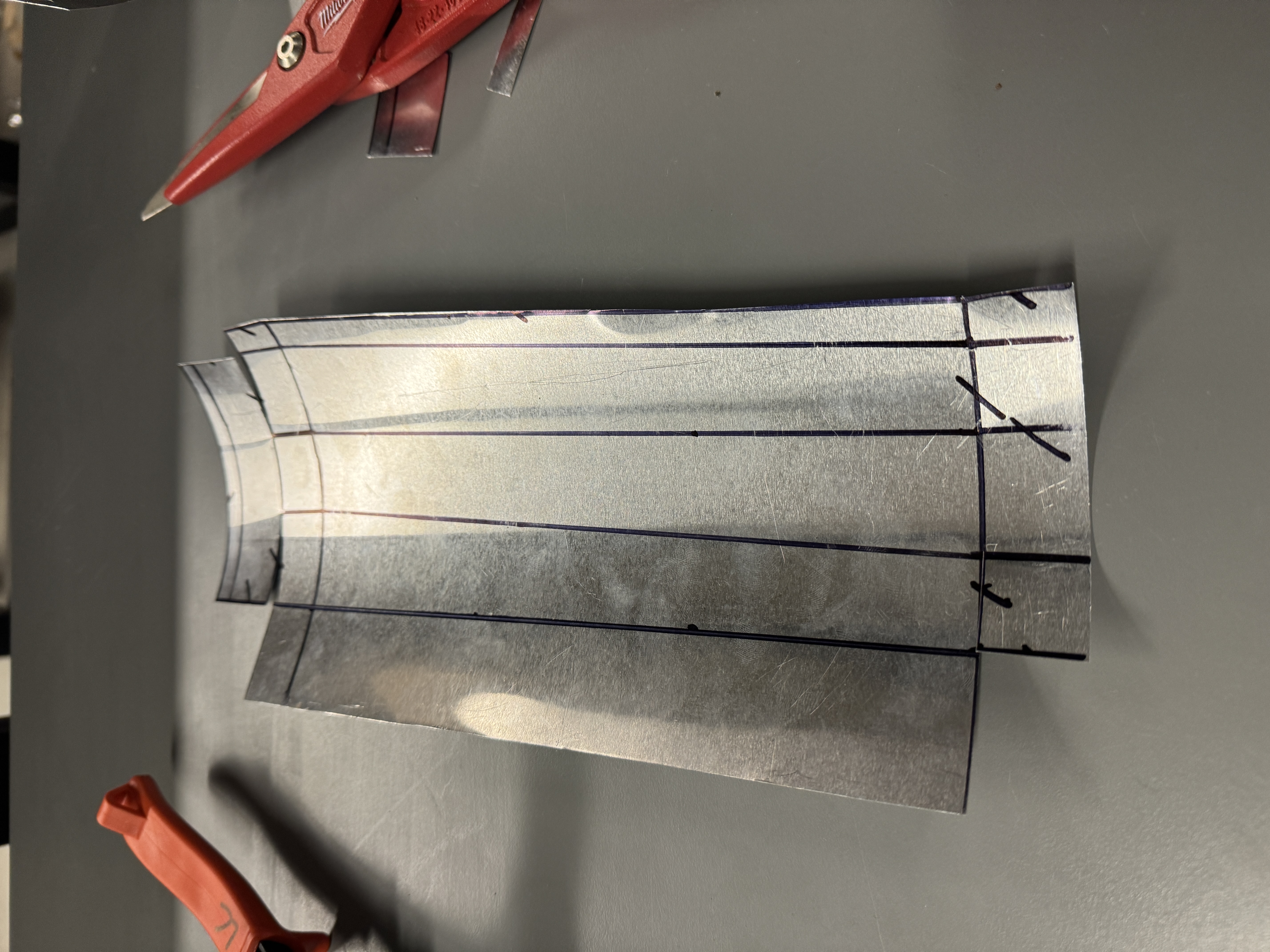
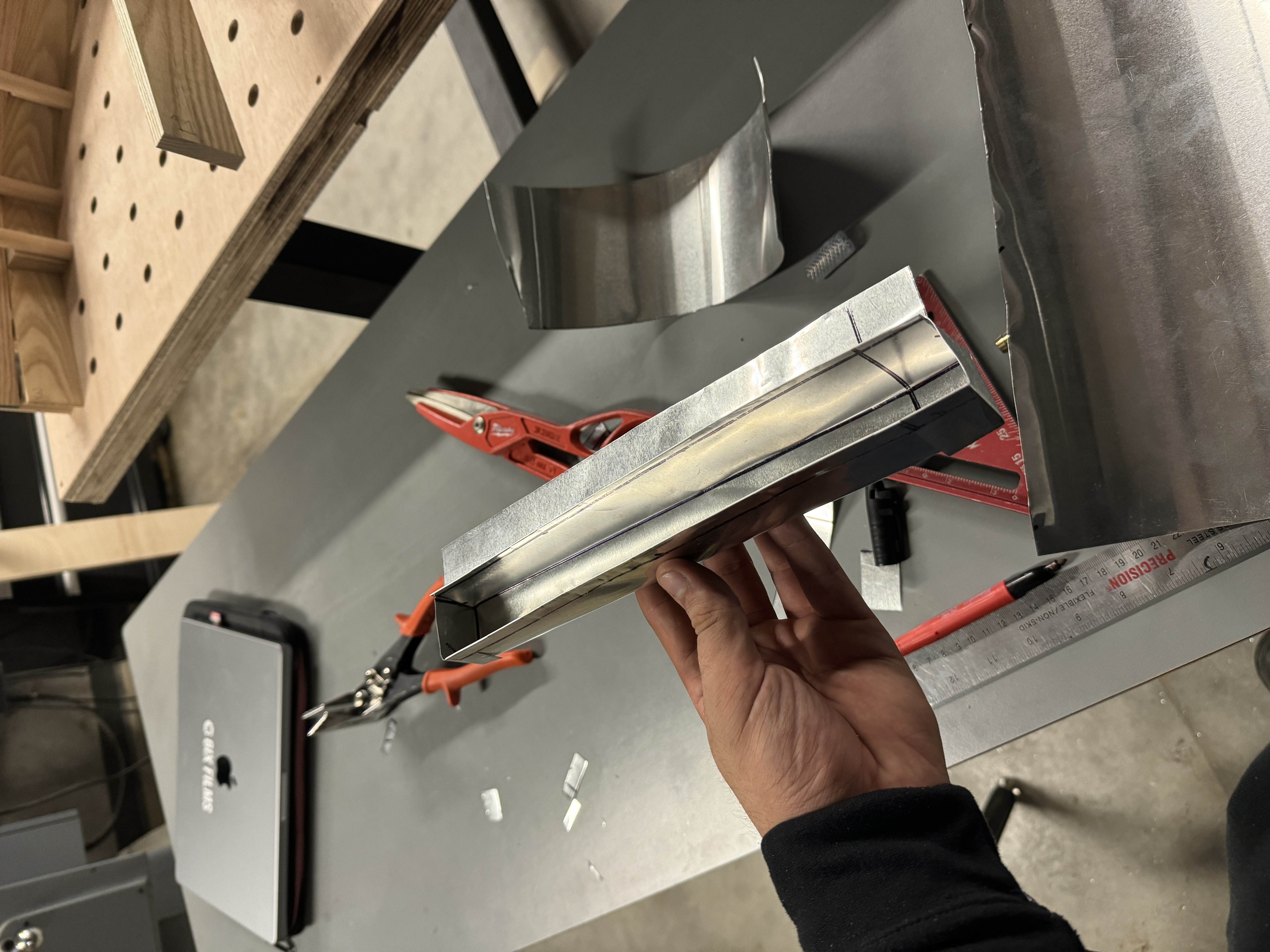
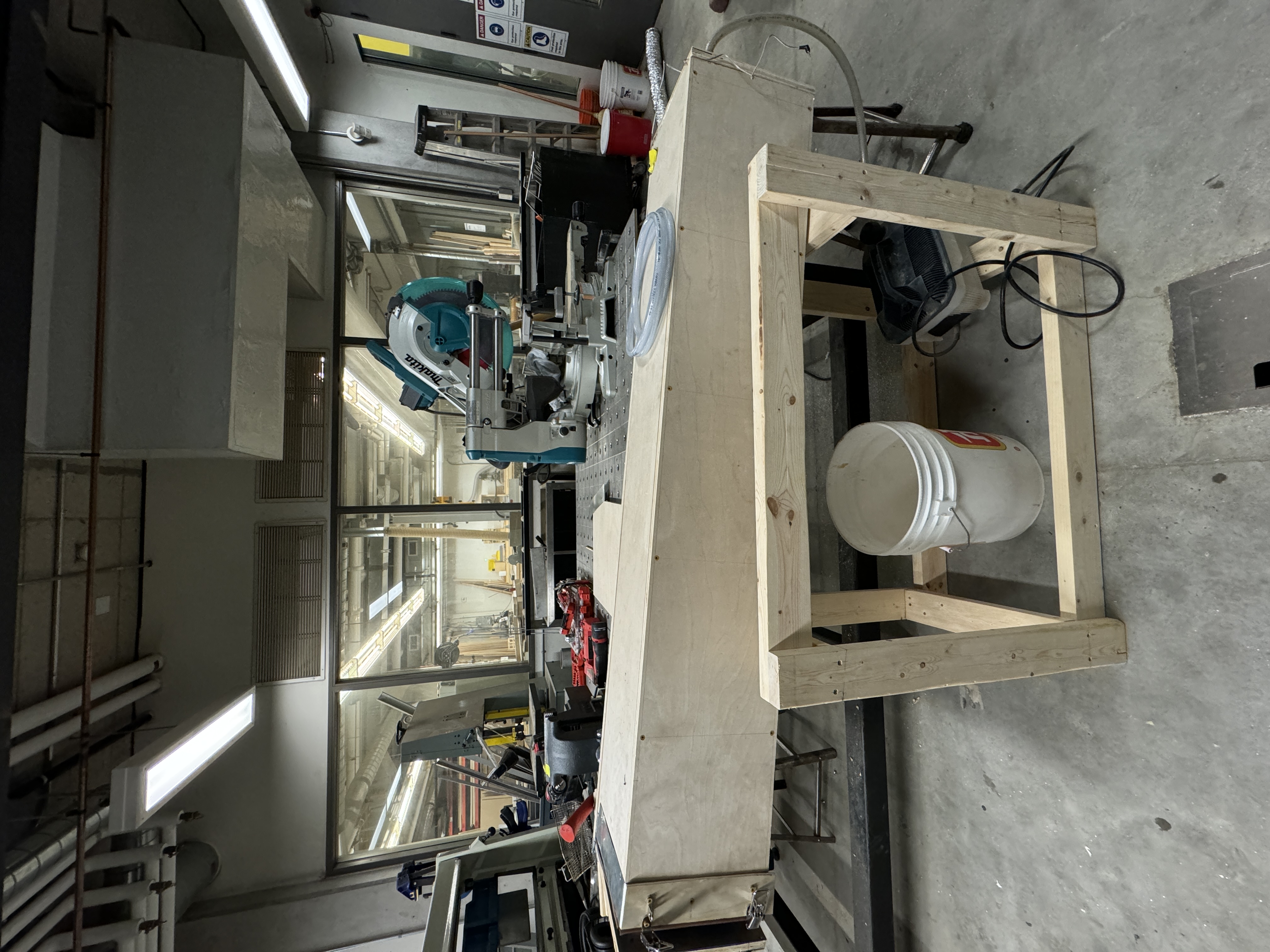
A drip tray and metal drip sheet direct condensed water away from exposed timber components. Condensate is collected in a waste bucket positioned below the chamber.
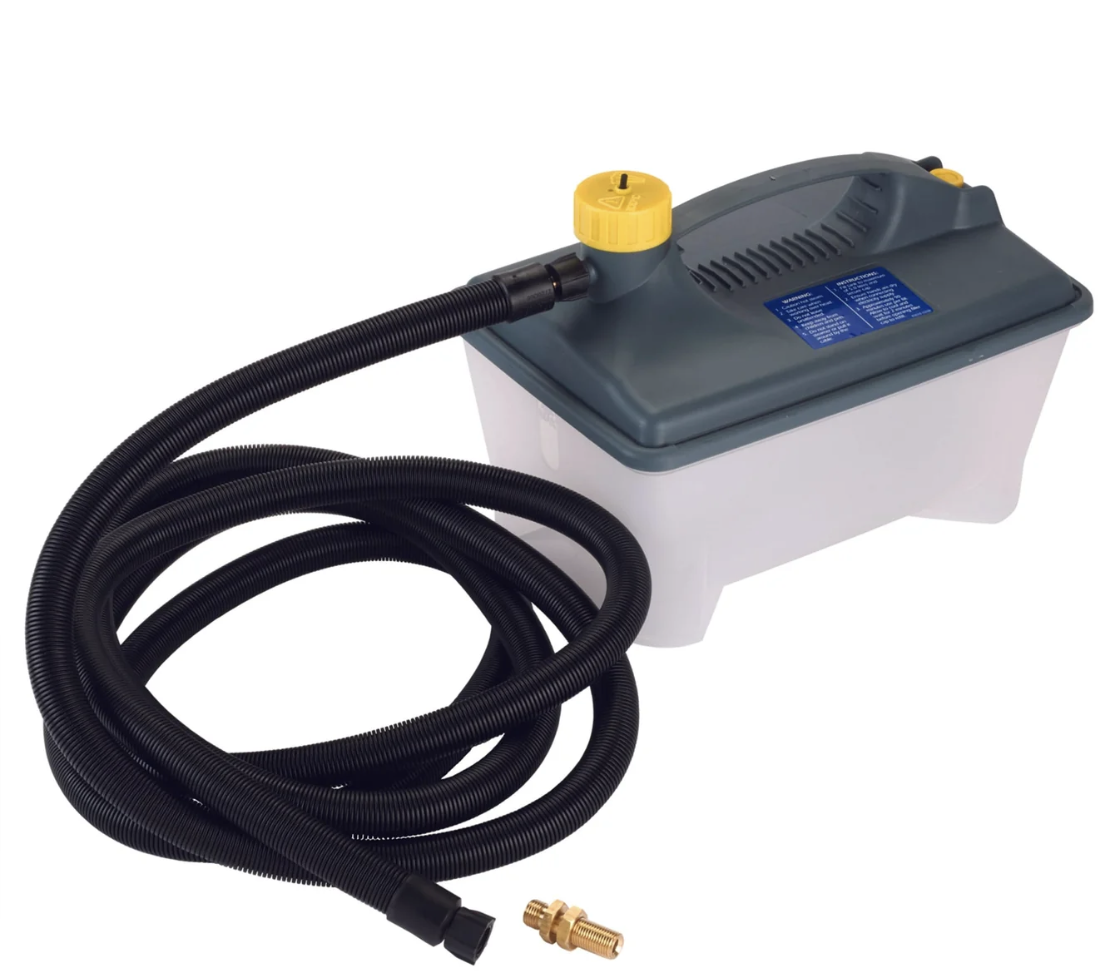
Steam generator
04.1
Piping + Insulation
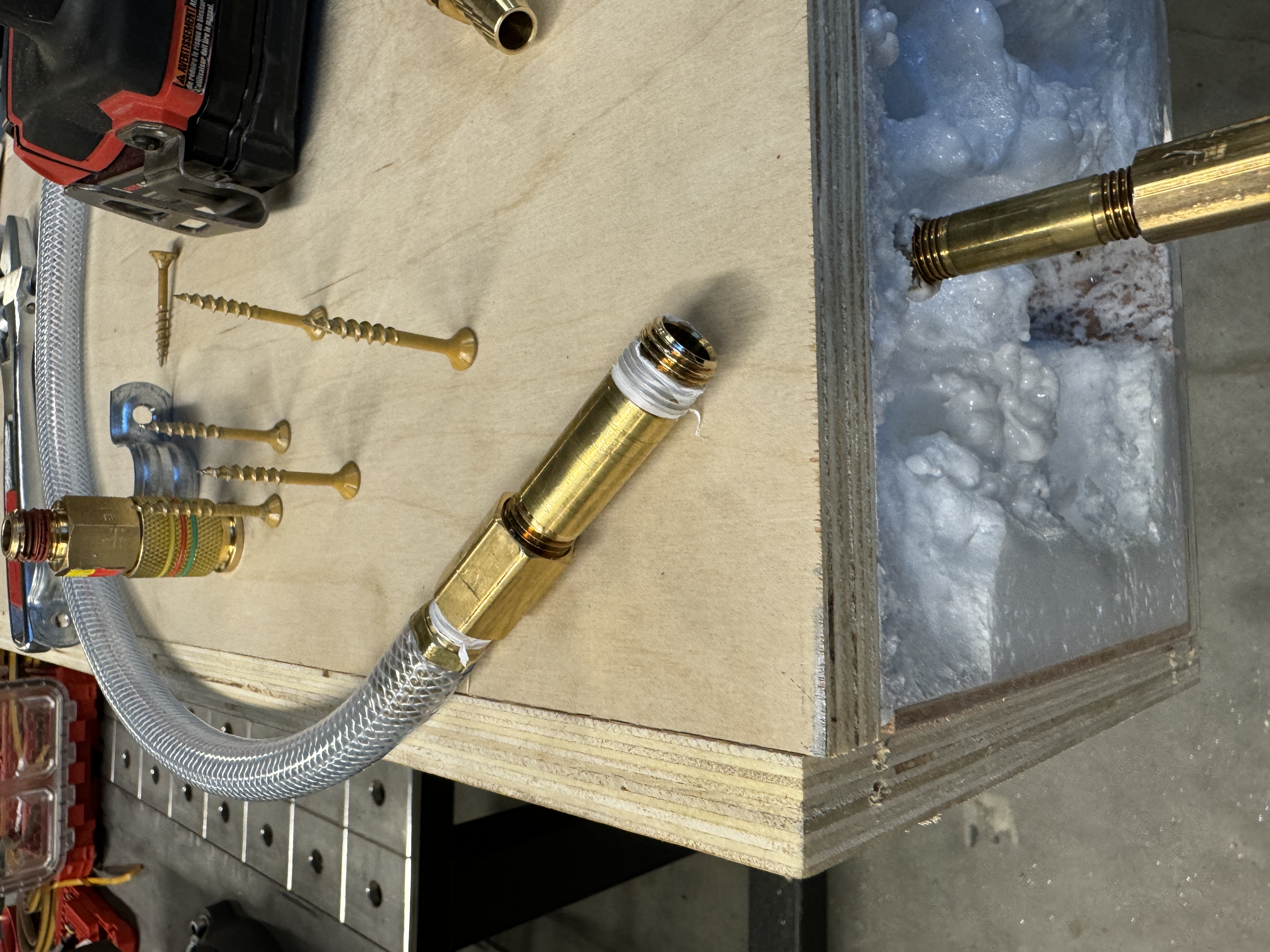
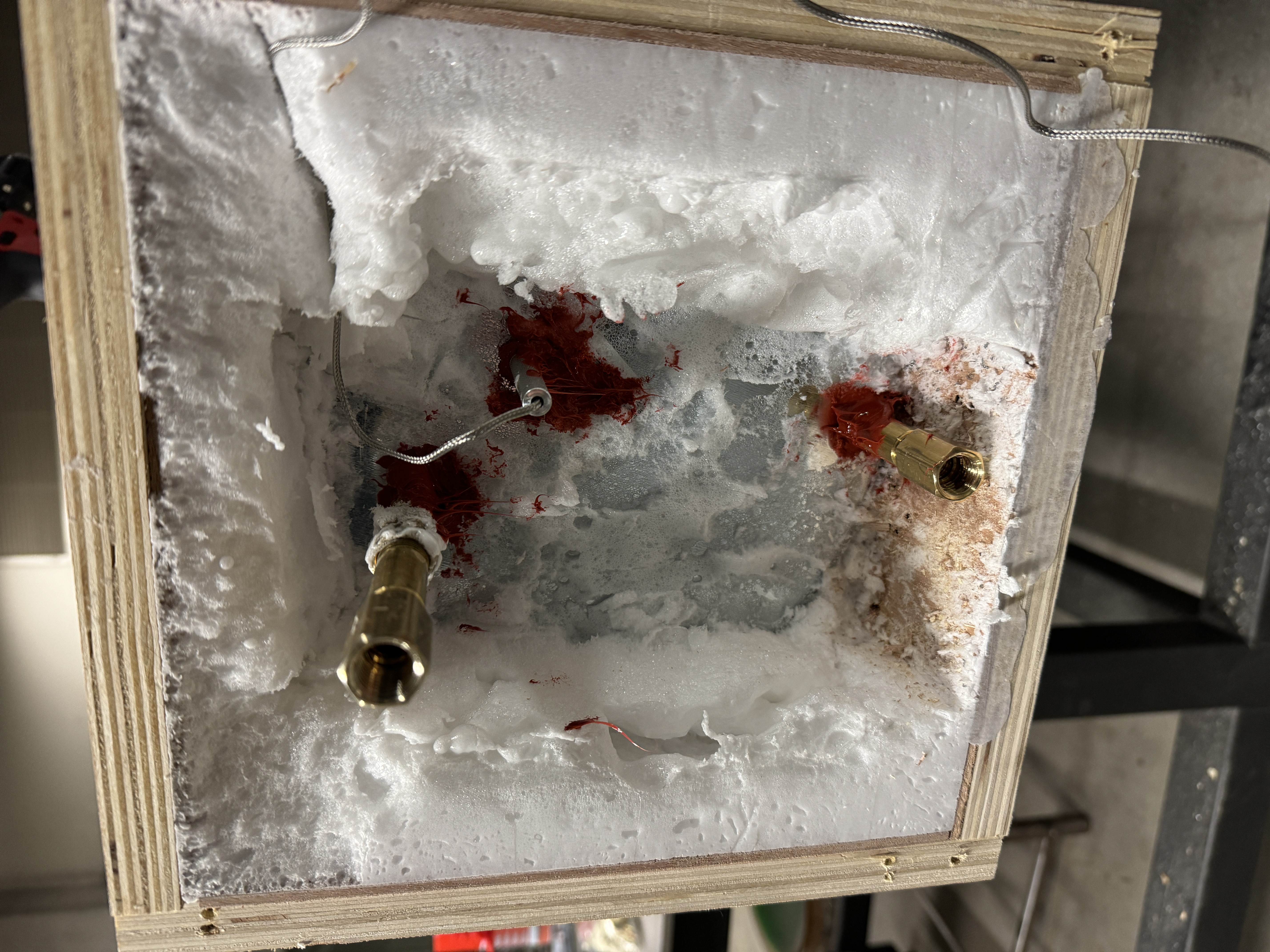
The steam supply was routed from the generator into the chamber and insulated to reduce heat loss before the vapour reached the internal distribution system.
04.2
Drip Tray
A dedicated tray beneath the chamber collects condensation produced during steaming and directs water away from the timber enclosure and supporting cart.
05
Cart Configuration
The support frame organizes the complete steaming setup into a mobile footprint that can move between fabrication tasks.
The chamber is mounted horizontally across the top of the cart beside a continuous tabletop. The steam generator and condensate collection sit below, keeping the supporting equipment close to the chamber without obstructing loading.
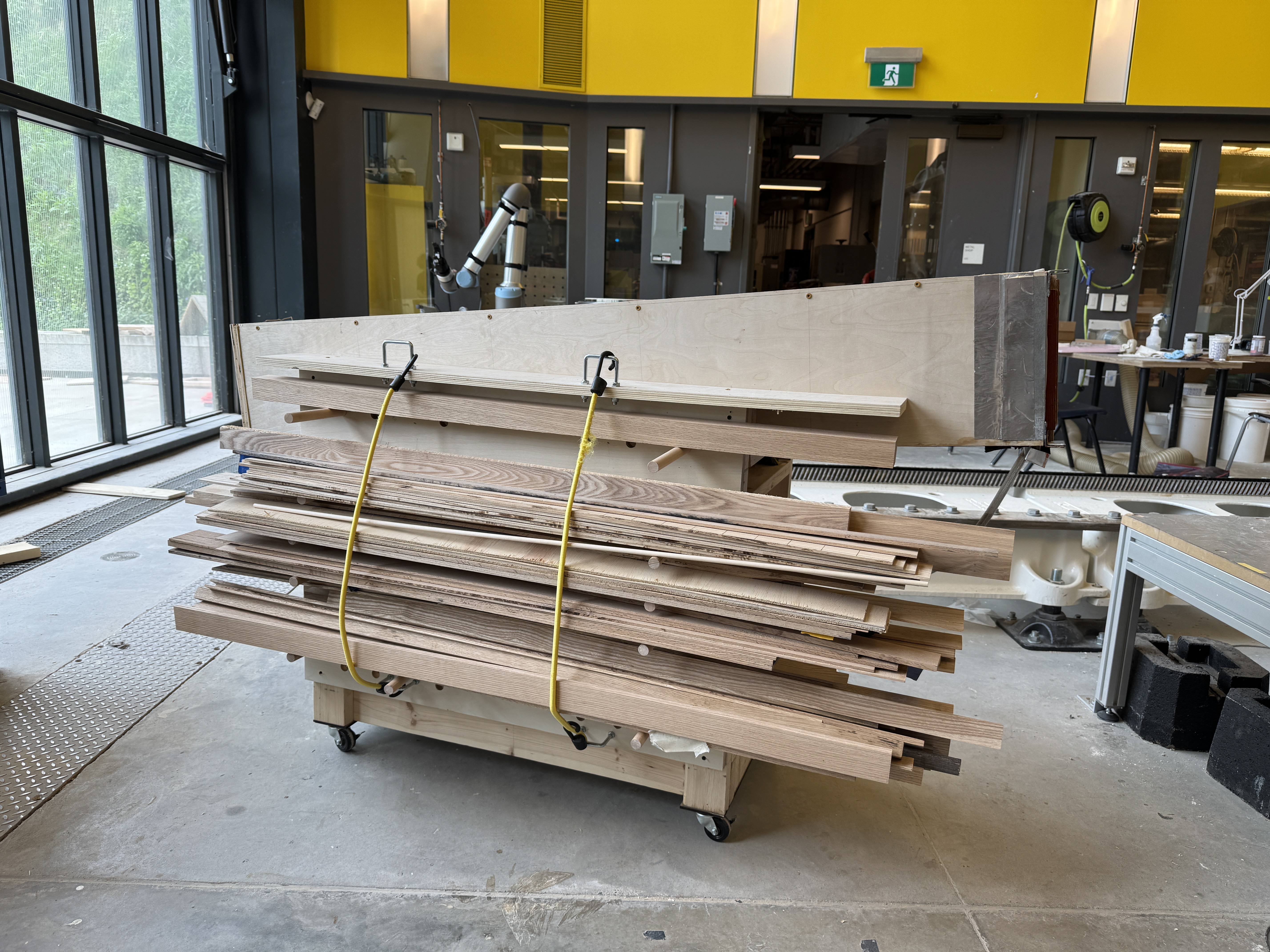
Caster wheels allow the assembled system to be repositioned as one unit. The cart also provides storage and a stable platform for the temperature probe, plumbing, and drainage components used during operation.
06
Thermal Testing
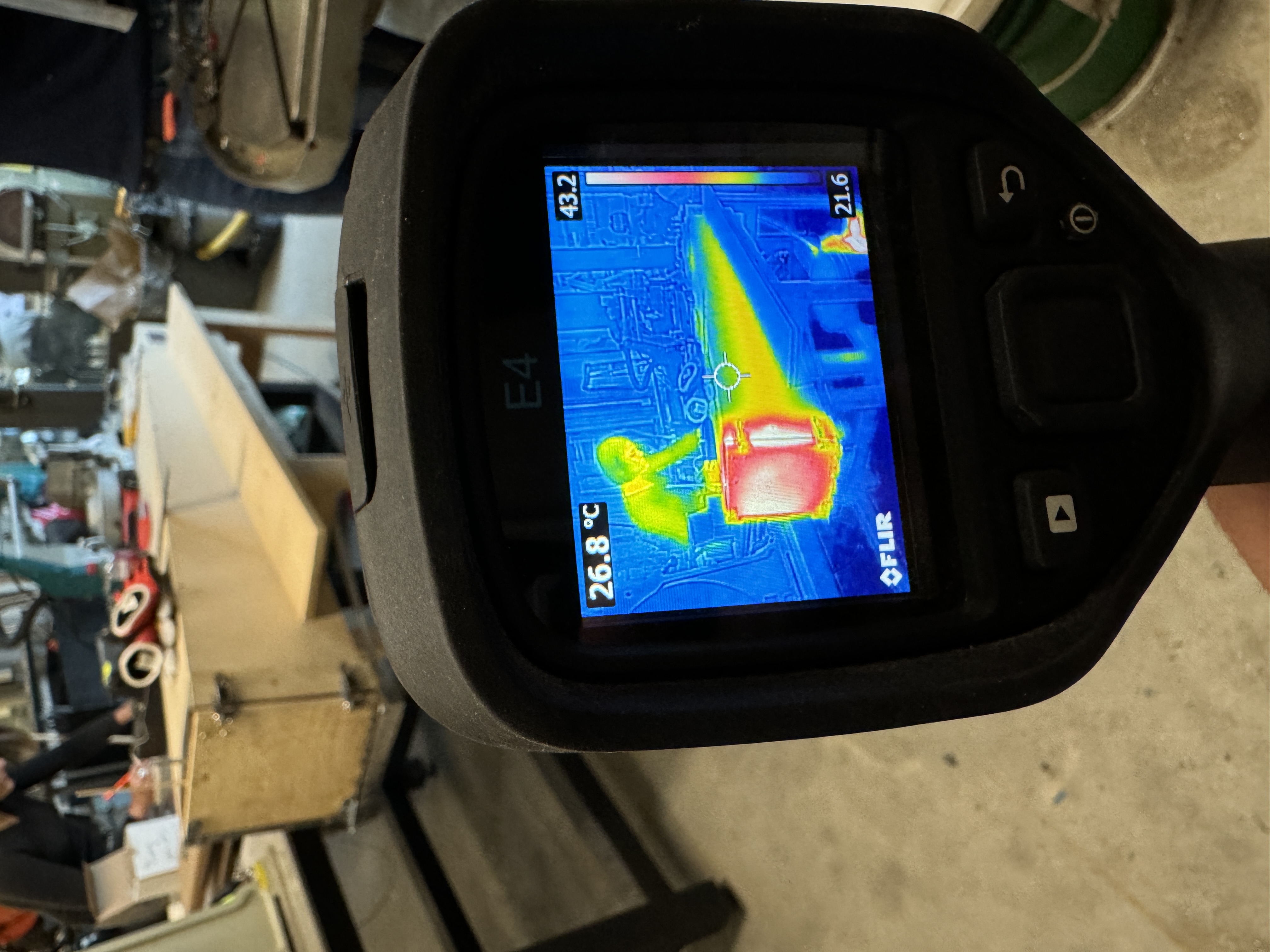
Thermal imaging was used to inspect the chamber and supply system while the steamer was operating.
A FLIR camera was used to compare the thermal behaviour of the chamber enclosure, steam supply line, generator, and surrounding surfaces during operation.
The test was used as a qualitative check for visible heat loss and temperature differences across the system. It was not treated as a calibrated measurement of the chamber's internal temperature distribution.
Thermal imaging during operation
07
Final Tool
The completed cart provided a dedicated conditioning tool for repeated timber steam-bending experiments.
The final assembly keeps the chamber, steam source, temperature probe, drainage, and supporting equipment together in a single movable setup.
It was used as part of the larger steam-bending workflow, allowing timber to be conditioned immediately before transfer into the bending and robotic fabrication process.
Main Research Project